Maximizing Human Performance with Innovative Tools
7 mins read
Published Feb 17, 2026
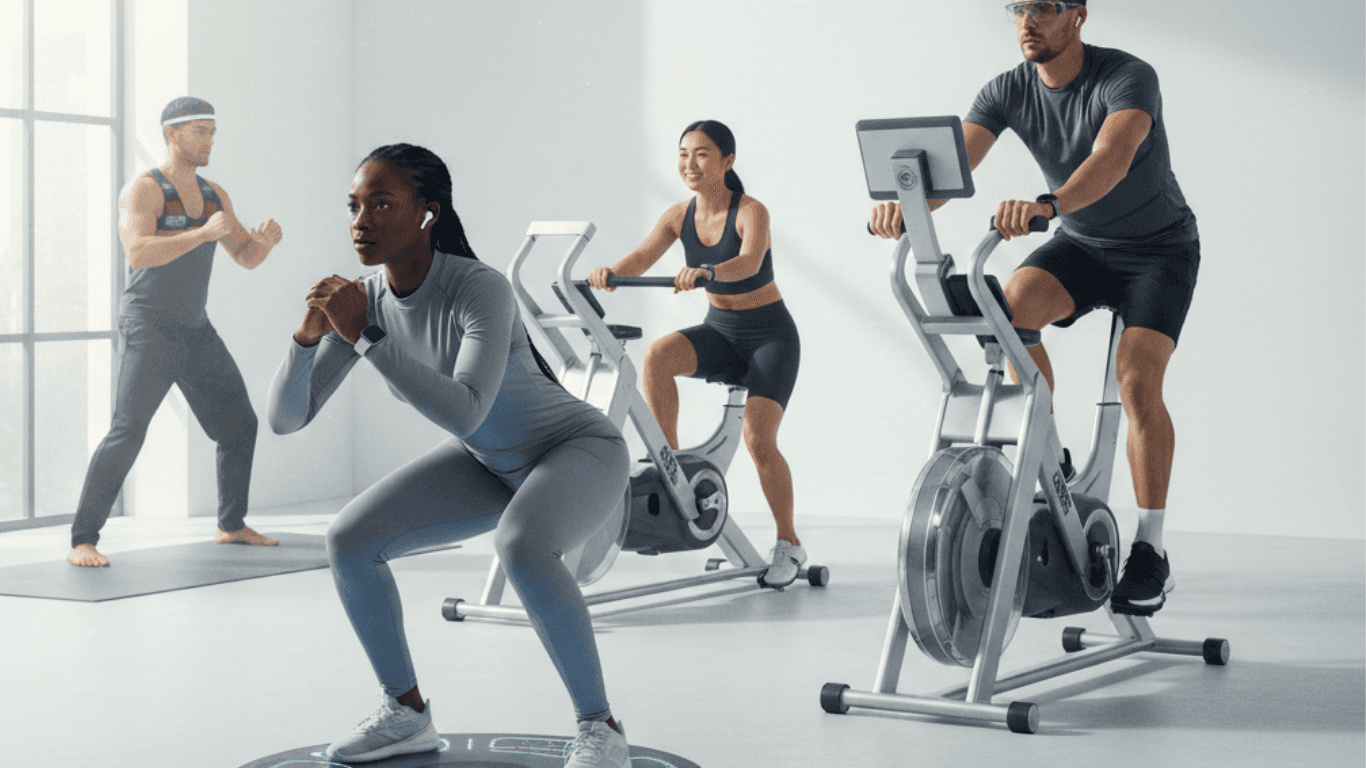
Understanding Wearables and Their Role in Performance
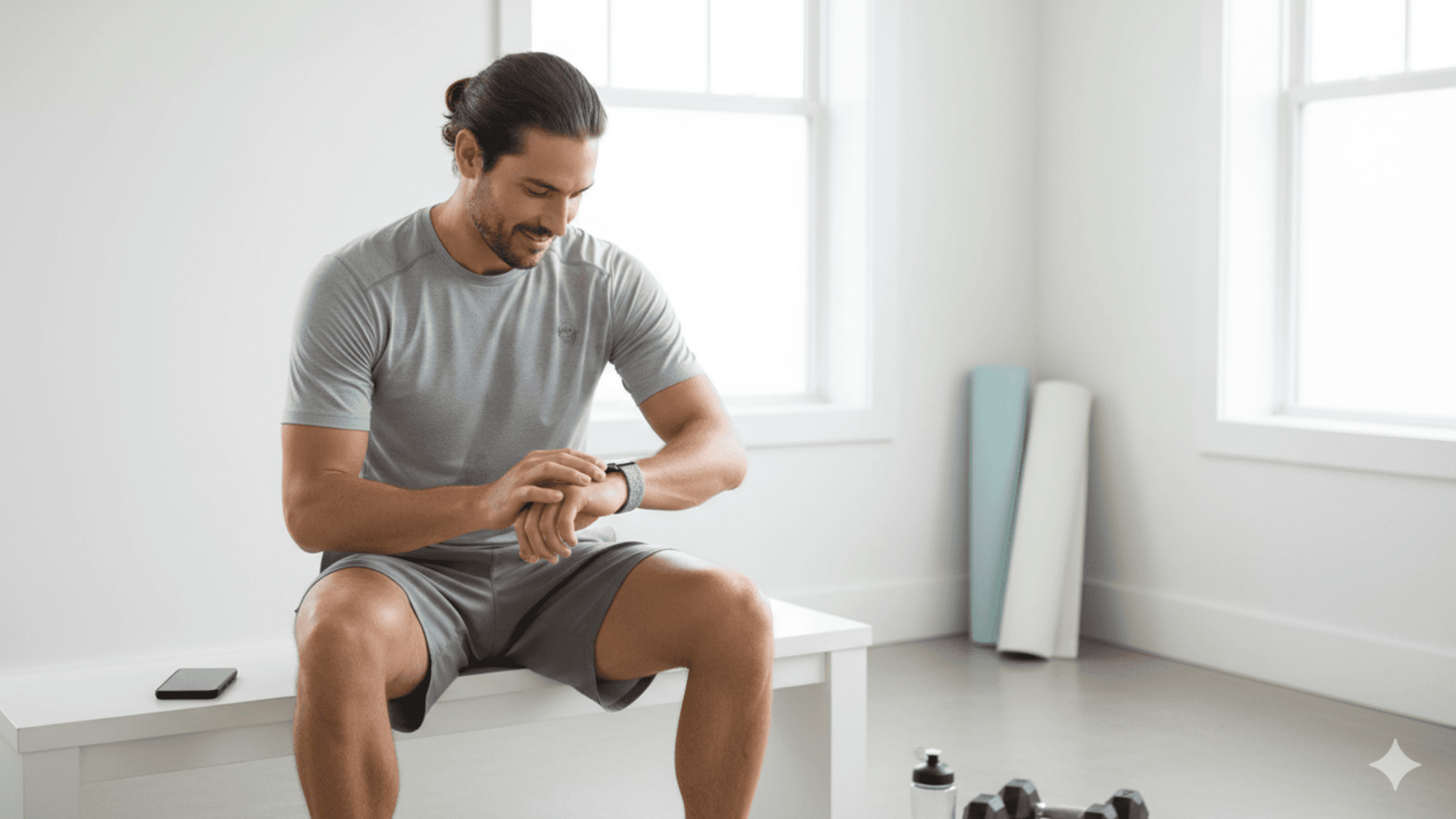
Wearables are devices that you can wear on your body, typically in the form of smartwatches, fitness trackers, or specialized sensors. They are equipped with various technologies, such as accelerometers, heart rate monitors, and GPS, allowing them to collect data on your physical activity, heart rate, sleep patterns, and more. The data gathered can be invaluable in understanding your body’s responses to training and recovery.
These tools function by continuously monitoring your physiological metrics, providing real-time feedback that can help you adjust your training regimen. For instance, if your heart rate indicates that you are overtraining, you can modify your workout intensity to prevent burnout or injury. This proactive approach not only enhances performance but also supports overall health by promoting recovery and reducing the risk of overuse injuries.
Tracking Heart Rate Variability for Better Recovery
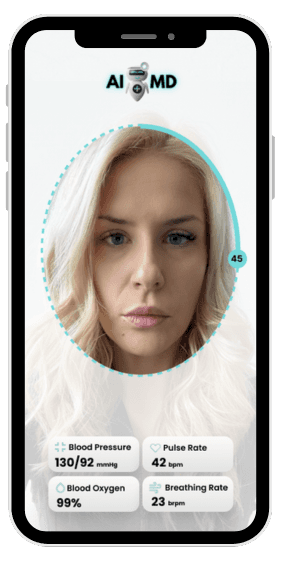
One of the critical metrics that wearables can track is heart rate variability (HRV). HRV refers to the variation in time between successive heartbeats and is a strong indicator of your autonomic nervous system's balance. A higher HRV is generally associated with better cardiovascular fitness and a greater ability to recover from stressors, whether they are physical or psychological.
By monitoring your HRV through a wearable device, you can gain insights into your recovery status. If you notice a consistent decline in HRV, it may indicate that your body is under stress and needs more time to recuperate. This information allows you to adjust your training schedule, incorporating more rest days or lighter workouts when necessary. By prioritizing recovery, you can enhance your overall performance and maintain your physical health over the long term.
Optimizing Sleep for Enhanced Performance
Sleep is a fundamental component of athletic performance and overall health. Insufficient sleep can lead to decreased cognitive function, impaired motor skills, and increased risk of injury. Wearables can help you monitor your sleep patterns, providing data on the duration and quality of your sleep.
Many wearables use advanced algorithms to analyze your sleep stages, including light sleep, deep sleep, and REM sleep. By understanding your sleep architecture, you can make informed decisions about your bedtime routine and lifestyle choices that promote better sleep hygiene. For example, if your wearable indicates that you are not spending enough time in deep sleep, you might consider adjusting your evening habits, such as reducing screen time or creating a more conducive sleep environment.
Improving your sleep quality can lead to enhanced recovery, better mood regulation, and improved cognitive function, all of which contribute to maximizing your athletic performance.
Monitoring Physical Activity and Training Load
Another significant advantage of wearables is their ability to track physical activity and training load. These devices can provide insights into the intensity and volume of your workouts, allowing you to fine-tune your training regimen. By analyzing metrics such as steps taken, distance traveled, and calories burned, you can better understand how your body responds to different types of training.
For instance, if you are preparing for a marathon, you may want to monitor your weekly mileage and ensure that you are gradually increasing your training load to avoid injury. Wearables can help you identify patterns in your training, such as whether you are consistently pushing too hard or not challenging yourself enough. This data-driven approach allows you to optimize your training plan, ensuring that you are making progress toward your goals while minimizing the risk of overtraining.
Utilizing Nutrition Insights for Performance Gains
Nutrition plays a crucial role in athletic performance, and some wearables offer features that help you track your dietary intake. By integrating nutrition monitoring with your physical activity data, you can gain a comprehensive view of how your diet affects your performance and recovery.
For example, certain wearables can estimate your caloric expenditure based on your activity levels, allowing you to adjust your caloric intake accordingly. Additionally, some devices can help you track macronutrient ratios, ensuring that you are consuming the right balance of carbohydrates, proteins, and fats to support your training goals.
Understanding the relationship between your nutrition and performance can lead to more informed dietary choices. Whether you are looking to lose weight, build muscle, or enhance endurance, wearables can provide the insights you need to make effective changes to your diet.
Enhancing Mental Resilience with Biofeedback
Athletic performance is not just about physical capabilities; mental resilience plays a significant role as well. Wearables can facilitate biofeedback, allowing you to monitor physiological responses to stress and anxiety. This feature can be particularly beneficial in high-pressure situations, such as competitions or important training sessions.
By tracking metrics like heart rate and skin temperature, you can gain insights into your stress levels and emotional state. Some wearables even offer guided breathing exercises or mindfulness practices that can help you manage stress and improve focus. By incorporating these techniques into your routine, you can enhance your mental resilience, which is vital for optimal performance.
The ability to remain calm and focused under pressure can make a significant difference in your performance outcomes. By leveraging the biofeedback provided by wearables, you can develop strategies to manage stress and enhance your mental game.

What are the key components of human performance tools?
How do human performance tools enhance workplace productivity?
What role do human performance tools play in employee training?
Can human performance tools be used to measure team dynamics?
What are the benefits of using human performance tools in sports?
How do human performance tools contribute to personal development?


Get your personalized supplement match today — and join the future of data-driven wellness.