Understanding Cyclist Heart Rate: What You Need to Know?
7 mins read
Published Feb 17, 2026
The Basics of Heart Rate
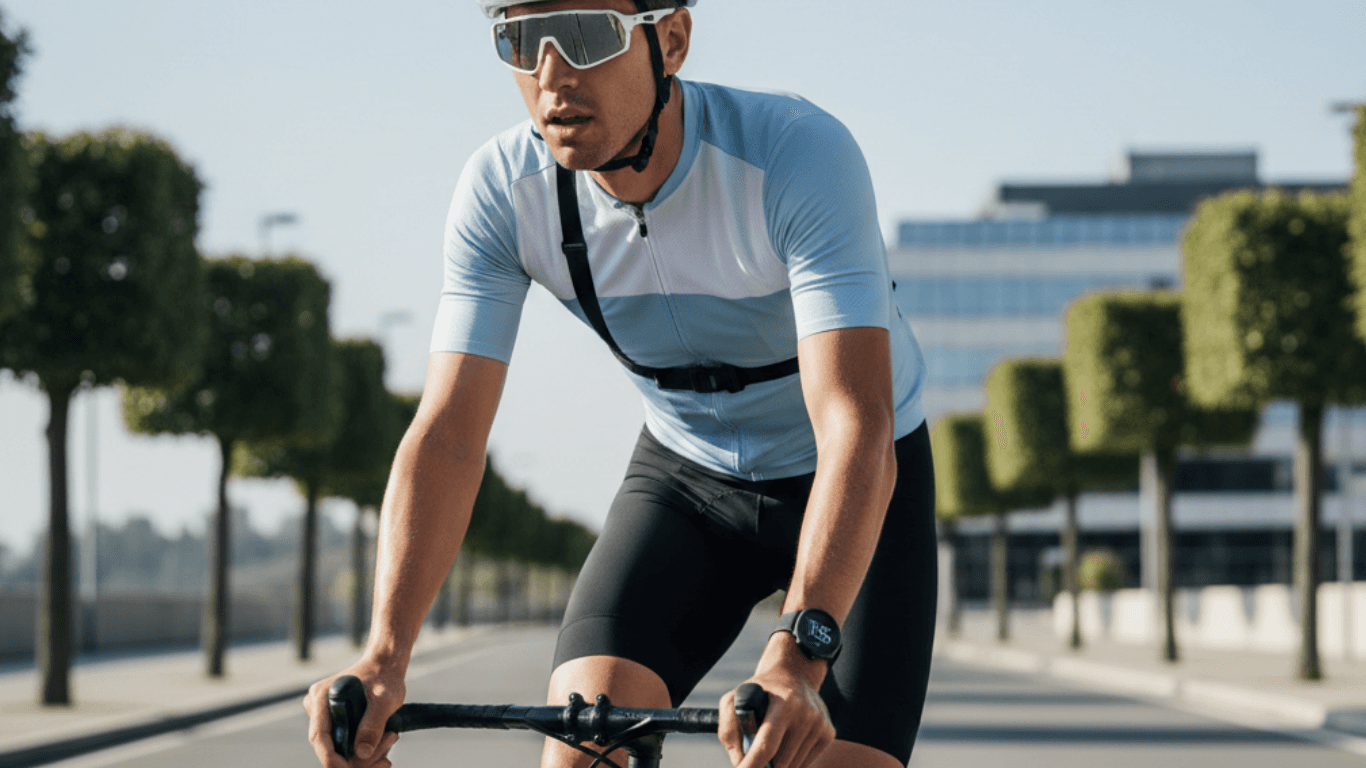
Heart rate is the number of times your heart beats per minute (BPM). During exercise, especially cycling, your heart rate increases to supply more oxygen-rich blood to your muscles. The relationship between exercise intensity and heart rate is well-established; as you pedal harder, your heart rate rises. For cyclists, understanding this relationship can help you train more effectively and avoid overtraining.
Your resting heart rate (RHR) is another important metric. Typically, a lower RHR indicates better cardiovascular fitness. For well-trained athletes, RHR can be significantly lower than the average person, often ranging from 40 to 60 BPM. Monitoring your RHR can provide insights into your recovery status and overall health.
Heart Rate Variability Explained
Heart rate variability (HRV) refers to the variation in time between consecutive heartbeats. Unlike heart rate, which is a straightforward measure, HRV is a complex indicator of autonomic nervous system function. It reflects how well your body can adapt to stressors, both physical and emotional.
A higher HRV generally indicates a well-functioning autonomic nervous system, which is crucial for recovery and performance. Conversely, a lower HRV can signal stress, fatigue, or overtraining. For cyclists, monitoring HRV can help you fine-tune your training regimen, ensuring that you are not pushing your body beyond its limits.
The Role of Wearables in Monitoring Heart Rate
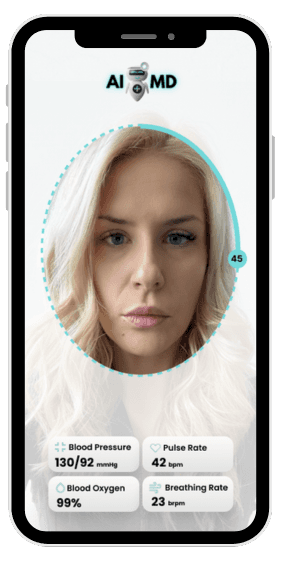
Wearable technology has revolutionized how athletes track their performance and health metrics. Devices such as heart rate monitors, smartwatches, and fitness trackers provide real-time data on your heart rate and HRV. These wearables can help you monitor your performance during rides and assess your recovery after intense training sessions.
Many wearables also offer insights into your training zones, which can help you optimize your workouts. By understanding your heart rate zones—such as resting, aerobic, anaerobic, and maximum—you can tailor your training to achieve specific goals, whether that’s building endurance, improving speed, or enhancing recovery.
Training with Heart Rate Zones
Training within specific heart rate zones can maximize your cycling performance.
The five primary heart rate zones are:
Zone 1: Very Light (50–60% of HRmax) – Ideal for warm-ups and recovery rides.
Zone 2: Light (60–70% of HRmax) – Enhances aerobic capacity and endurance.
Zone 3: Moderate (70–80% of HRmax) – Improves cardiovascular fitness and stamina.
Zone 4: Hard (80–90% of HRmax) – Increases speed and power.
Zone 5: Maximum (90–100% of HRmax) – Used for short, intense efforts.
By training in these zones, you can target specific physiological adaptations. For example, spending time in Zone 2 enhances your body’s ability to utilize fat as a fuel source, while training in Zone 4 can improve your lactate threshold, allowing you to sustain higher intensities for longer periods.
Wearables can help you stay within your desired heart rate zone during training, ensuring that you are getting the most out of each session. Many devices will alert you if you drift outside your target zone, allowing you to adjust your effort accordingly.
Recovery and Heart Rate Monitoring
Recovery is a critical component of any training program, and heart rate monitoring can play a significant role in ensuring you recover adequately. After a hard ride, your heart rate should gradually return to your resting level. Monitoring how quickly your heart rate drops can provide insights into your recovery status.
A slower recovery heart rate can indicate that your body is under stress or not fully recovered. In contrast, a quicker return to your RHR suggests that your body is adapting well to the training stimulus. By tracking these changes over time, you can make informed decisions about when to push harder and when to take a step back.
Additionally, incorporating recovery strategies such as active recovery rides, proper nutrition, hydration, and sleep can further enhance your recovery process. Wearables can help you track these factors, providing a comprehensive view of your overall wellness.
The Importance of Listening to Your Body
While wearables provide valuable data, it’s essential to remember that they are just one tool in your training arsenal. Listening to your body is equally important. Factors such as fatigue, stress, and illness can all impact your heart rate and HRV. If you notice significant deviations from your normal metrics, it may be a sign that you need to adjust your training or prioritize recovery.
For instance, if your heart rate is elevated during a low-intensity ride or your HRV is consistently low, these could be indicators of overtraining or insufficient recovery. In such cases, consider taking a rest day or engaging in lighter activities to allow your body to recuperate.

What is a normal heart rate for cyclists during exercise?
How does cycling intensity affect heart rate in cyclists?
What heart rate zone should cyclists aim for during training?
How can cyclists monitor their heart rate effectively?
What factors influence heart rate variability in cyclists?
How does a cyclist's fitness level impact their heart rate?



Get your personalized supplement match today — and join the future of data-driven wellness.