Understanding Your VO2 Max with Whoop: A Deep Dive
7 mins read
Published Feb 4, 2026

What is VO2 Max?
VO2 max, or maximal oxygen uptake, is the maximum amount of oxygen your body can utilize during intense exercise. It is expressed in milliliters of oxygen used per minute per kilogram of body weight (ml/kg/min). This metric is a critical indicator of aerobic endurance and cardiovascular fitness. The higher your VO2 max, the more oxygen your body can transport and use during physical activity, which generally correlates with better athletic performance.
Physiologically, VO2 max is influenced by several factors, including:
Cardiac Output: The amount of blood your heart pumps per minute. A higher cardiac output means more oxygen-rich blood reaches your muscles.
Oxygen Extraction: The ability of your muscles to extract and utilize oxygen from the blood. This is influenced by the density of capillaries and the efficiency of mitochondria in your muscle cells.
Ventilation: The ability of your lungs to take in oxygen and expel carbon dioxide. Efficient breathing patterns can enhance oxygen uptake.
Understanding your VO2 max can provide insight into your fitness level and help you tailor your training to improve your cardiovascular health.
How Whoop Measures VO2 Max
Whoop is a wearable fitness tracker designed to monitor various metrics related to your health and performance, including heart rate, sleep quality, and recovery. One of its standout features is the estimation of VO2 max. Whoop uses a combination of heart rate data and exercise intensity to provide a VO2 max estimate.
When you engage in physical activity, Whoop monitors your heart rate and the intensity of your workout. By analyzing this data, along with your personal information such as age, weight, and fitness level, the device can estimate your VO2 max. This estimation is based on established algorithms that correlate heart rate responses to exercise intensity with oxygen consumption.
The accuracy of Whoop's VO2 max estimation can be influenced by several factors, including the type of exercise performed and the duration of the activity. While it may not be as precise as laboratory testing, it provides a valuable approximation that can guide your training and recovery strategies.
The Importance of Monitoring VO2 Max
Regularly monitoring your VO2 max can offer several benefits for your overall health and athletic performance.
Here are a few reasons why keeping track of this metric is essential:
Performance Benchmarking: Knowing your VO2 max allows you to set performance benchmarks. By tracking changes over time, you can gauge the effectiveness of your training regimen and make necessary adjustments.
Training Optimization: Understanding your VO2 max helps you identify your aerobic capacity, enabling you to tailor your workouts to target specific fitness goals. Whether you aim to improve endurance, speed, or overall fitness, knowing your VO2 max can guide your training intensity and volume.
Health Insights: VO2 max is not just a metric for athletes; it is also an essential indicator of cardiovascular health. Research has shown that higher VO2 max levels are associated with lower risks of cardiovascular diseases and improved longevity. Monitoring this metric can help you stay informed about your heart health.
Recovery Monitoring: Whoop emphasizes the importance of recovery in athletic performance. By tracking your VO2 max alongside recovery metrics, you can better understand how your body responds to training and when you might need to take a step back to allow for recovery.
Motivation and Accountability: Having access to your VO2 max data can serve as a motivational tool. Seeing improvements can encourage you to stay committed to your fitness goals, while fluctuations can prompt you to reassess your training and lifestyle choices.
Improving Your VO2 Max
If you're looking to enhance your VO2 max, there are several evidence-backed strategies you can implement into your training routine.
Here are some effective methods:
Interval Training: High-intensity interval training (HIIT) has been shown to be one of the most effective ways to improve VO2 max. Alternating between short bursts of intense exercise and periods of lower intensity can stimulate cardiovascular adaptations and increase your aerobic capacity.
Endurance Training: Engaging in steady-state aerobic activities, such as running, cycling, or swimming, for extended periods can also enhance VO2 max. Aim for longer sessions at a moderate intensity to build your aerobic base.
Strength Training: While primarily associated with muscle hypertrophy, strength training can also improve VO2 max. Compound movements that engage large muscle groups can elevate your heart rate and contribute to cardiovascular fitness.
Cross-Training: Incorporating a variety of activities into your routine can prevent burnout and overuse injuries while promoting overall fitness. Activities like rowing, hiking, or group fitness classes can challenge your cardiovascular system in different ways.
Proper Nutrition: Fueling your body with the right nutrients is essential for optimizing performance. A balanced diet rich in carbohydrates, proteins, and healthy fats can support your training efforts and recovery.
Adequate Recovery: Allowing your body to recover is crucial for improving VO2 max. Overtraining can lead to fatigue and diminished performance. Use Whoop's recovery metrics to guide your rest days and ensure you're giving your body the time it needs to adapt and grow stronger.
The Role of Recovery in VO2 Max Improvement
Recovery is a vital component of any training program, especially when it comes to improving VO2 max. The body undergoes significant physiological changes during recovery, allowing for adaptations that enhance performance.
Here’s how recovery plays a role:
Muscle Repair: Intense exercise causes micro-tears in muscle fibers. Recovery allows these fibers to repair and grow stronger, which can improve your overall fitness and VO2 max.
Cardiovascular Adaptations: During recovery, your cardiovascular system adapts to the stress of training. This includes improvements in heart efficiency, increased capillary density, and enhanced oxygen utilization in muscles.
Hormonal Balance: Recovery helps regulate hormones that are critical for muscle growth and repair, such as testosterone and growth hormone. Proper recovery can also reduce cortisol levels, which can negatively impact performance if chronically elevated.
Mental Recovery: Physical training is demanding not just on the body but also on the mind. Taking time to recover can help prevent burnout and maintain motivation, allowing you to stay committed to your fitness goals.
Sleep Quality: Quality sleep is essential for recovery. Whoop tracks your sleep patterns, helping you understand how well you are recovering each night. Prioritizing sleep can significantly impact your VO2 max and overall health.
By integrating effective recovery strategies into your training regimen, you can optimize your VO2 max improvements and enhance your overall athletic performance.
Utilizing Whoop for Comprehensive Health Monitoring
The Whoop strap goes beyond just measuring VO2 max — it offers a complete look at your health and fitness. By tracking multiple metrics, it reveals how your daily habits influence performance, recovery, and overall well-being.
Key features to enhance your monitoring:
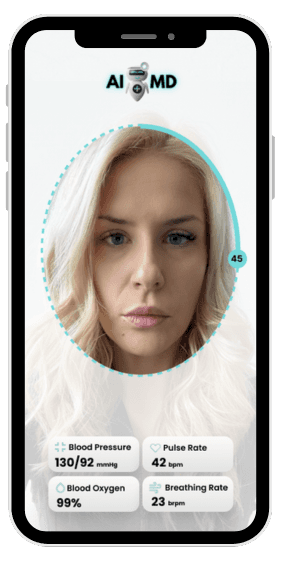
Heart Rate Variability (HRV): Whoop tracks HRV, reflecting your autonomic nervous system’s balance. Higher HRV often signals better recovery and reduced stress. AI‑MD can complement this by analyzing subtle biometric signals to highlight stress and recovery trends.
Sleep Tracking: Understanding your sleep patterns is essential for recovery. Whoop provides insights into sleep stages and quality, helping you see how your routines impact rest. AI‑MD can add perspective by detecting circulation and pulse changes that correlate with your sleep quality.
Strain Monitoring: Whoop measures daily strain to balance activity intensity and recovery. This helps prevent overtraining while maximizing performance. AI‑MD can give additional reflections on how your body responds to physical exertion, guiding adjustments in real time.
Personalized Feedback: Whoop offers recommendations tailored to your data, helping you optimize training, recovery, and lifestyle choices. AI‑MD can provide complementary insights from your scan, giving an extra layer of personalized wellness guidance.
By combining Whoop data with AI‑MD insights, you can take a holistic approach to fitness, track progress, refine your training, and make informed decisions that improve both performance and overall health.

How does Whoop measure VO2 max?
What factors influence VO2 max readings on Whoop?
Can VO2 max improve with consistent training tracked by Whoop?
What is the significance of VO2 max in fitness tracking?
How often should I check my VO2 max on Whoop?
What are the benefits of monitoring VO2 max for athletes?



Get your personalized supplement match today — and join the future of data-driven wellness.