Unlocking the Benefits of Contrast Baths for Recovery
7 mins read
Published Feb 3, 2026
Understanding Contrast Baths
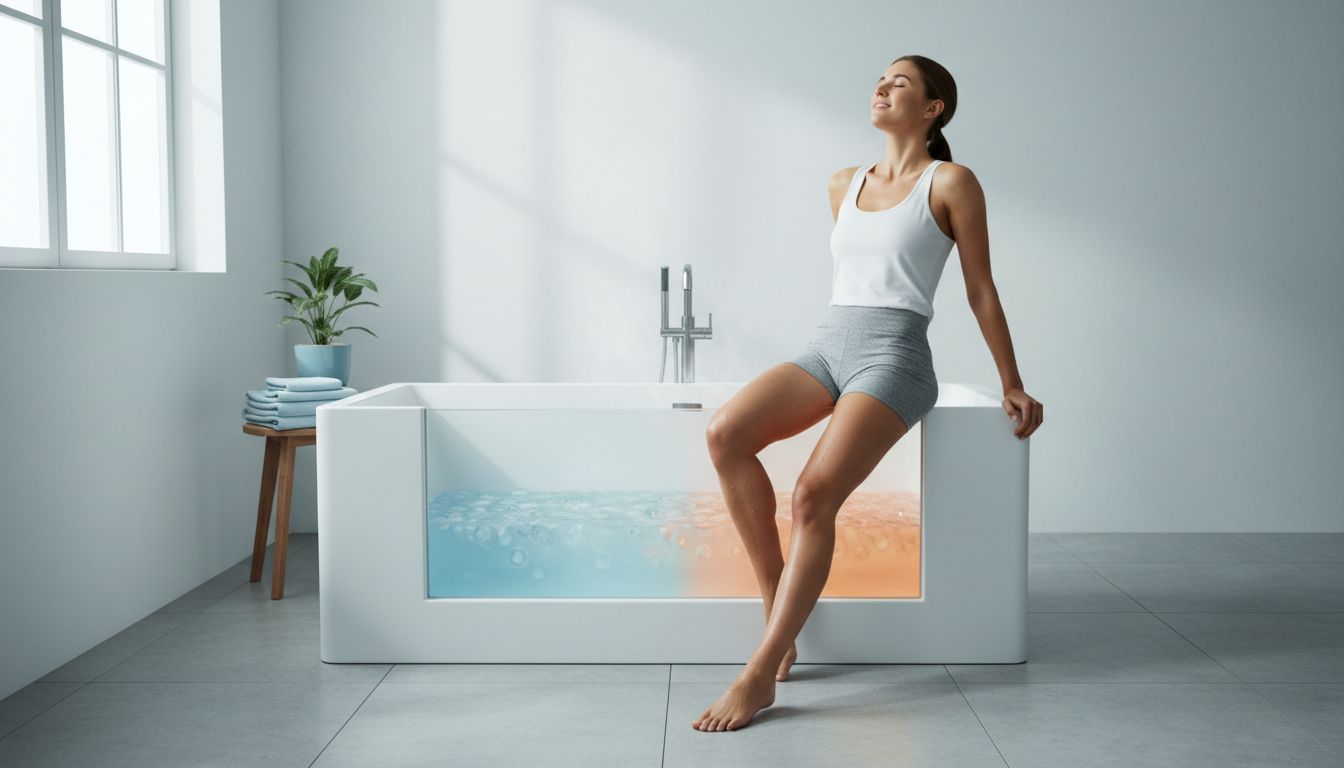
Contrast baths typically involve immersing your body in hot water for a specific duration, followed by a quick transition to cold water. This cycle is usually repeated several times. The temperatures used can vary, but hot water is generally around 100°F to 104°F (37°C to 40°C), while cold water can range from 50°F to 60°F (10°C to 15°C). The alternating temperatures create a unique physiological response that can be beneficial for recovery.
The primary goal of contrast baths is to stimulate blood flow and enhance the body’s natural healing processes. When you immerse yourself in hot water, blood vessels dilate, increasing circulation to the muscles and tissues. Conversely, cold water immersion causes blood vessels to constrict, reducing blood flow temporarily. This cycle of dilation and constriction can help flush out metabolic waste products and bring in fresh nutrients, promoting recovery.
Enhancing Circulation and Reducing Muscle Soreness
One of the key benefits of contrast baths is their ability to improve circulation. Better blood flow delivers oxygen and nutrients to your muscles, helping reduce soreness and support recovery after intense workouts.
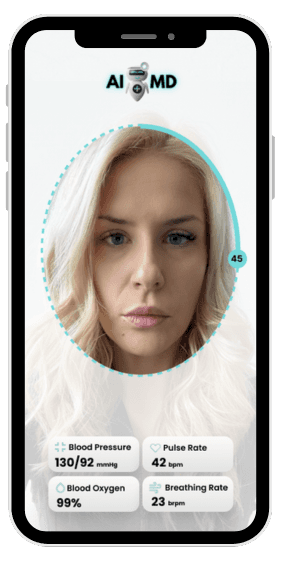
Alternating between hot and cold water can stimulate the circulatory system, which may help remove lactic acid and other metabolic byproducts that contribute to muscle fatigue. Tools like AI-MD can track your body’s real-time responses—such as pulse patterns, stress signals, and recovery metrics—so you can see how your muscles react and adjust your routine for optimal results.
Overall, contrast baths can be a useful tool for recovery, helping you bounce back more efficiently from demanding training sessions.
Supporting Joint Health and Flexibility
In addition to improving circulation, contrast baths can also support joint health and enhance flexibility. The heat from the warm water can help relax tight muscles and joints, making it easier for you to move freely. This relaxation can be particularly beneficial for athletes who engage in high-impact sports that place stress on their joints.
Cold water immersion, on the other hand, can help reduce inflammation and swelling in the joints. This combination of heat and cold can create a therapeutic effect that promotes overall joint health. By incorporating contrast baths into your recovery routine, you may find that you experience improved range of motion and reduced stiffness, allowing you to perform at your best.
Promoting Mental Well-Being
The benefits of contrast baths extend beyond the physical realm; they can also have a positive impact on your mental well-being. The practice of alternating between hot and cold water can be invigorating and refreshing, providing a mental reset after a challenging workout.
The sensory experience of contrast baths can stimulate the release of endorphins, the body’s natural painkillers, which can enhance your mood and promote feelings of relaxation. Additionally, the ritual of taking a contrast bath can serve as a form of mindfulness, allowing you to focus on your body and breath, which can further reduce stress and anxiety.
Incorporating contrast baths into your post-workout routine can help you cultivate a positive mindset, making it easier to stay motivated and committed to your fitness goals.
Timing and Technique for Optimal Benefits
To maximize the benefits of contrast baths, it’s essential to pay attention to timing and technique. Ideally, you should incorporate contrast baths into your recovery routine within 24 hours of an intense workout. This timing allows your body to take advantage of the physiological responses that occur during the recovery phase.
When performing a contrast bath, aim for a cycle of 3 to 5 minutes in hot water followed by 1 to 2 minutes in cold water. Repeat this cycle for a total of 20 to 30 minutes. It’s crucial to listen to your body during this process; if you feel uncomfortable at any point, it’s okay to adjust the duration or temperature to suit your needs.
Additionally, consider using this technique for specific body parts, such as your legs or arms, to target areas that may be experiencing more soreness or fatigue. By tailoring your contrast bath experience, you can enhance its effectiveness and better support your recovery.
Safety Considerations and Contraindications
While contrast baths can offer numerous benefits, it’s essential to approach this recovery method with caution. Certain individuals may need to avoid contrast baths altogether, particularly those with specific medical conditions. For example, individuals with cardiovascular issues, hypertension, or diabetes should consult with a healthcare professional before incorporating contrast baths into their routine.
Additionally, be mindful of the water temperatures you use. Extreme temperatures can lead to burns or other injuries, so it’s crucial to ensure that the hot water is not too hot and that you are comfortable with the cold water temperature. Always prioritize your safety and well-being when engaging in this recovery practice.

How do contrast baths improve circulation?
What are the psychological benefits of using contrast baths?
Can contrast baths help with muscle recovery after exercise?
What is the science behind the effectiveness of contrast baths?
Are there specific techniques for taking contrast baths?
How often should one use contrast baths for optimal benefits?
Get your personalized supplement match today — and join the future of data-driven wellness.