Adaptogens for Weight Loss: Do They Really Help?
7 mins read

Understanding Adaptogens
Adaptogens are a unique class of herbs and mushrooms that are thought to help the body resist stressors of various kinds, whether physical, chemical, or biological. The term "adaptogen" was first coined in the 1940s by Russian scientist Nikolai Lazarev, who defined these substances as those that can enhance the body's ability to adapt to stress and exert a normalizing effect on bodily functions.
Common adaptogens include ashwagandha, rhodiola rosea, holy basil, and ginseng. Each of these has been studied for its potential health benefits, including stress reduction, improved energy levels, and enhanced cognitive function. While the primary focus of adaptogens is on stress management, their effects on metabolism and weight loss are garnering increasing attention.
The Connection Between Stress and Weight Gain
To understand how adaptogens may aid in weight loss, it's essential to consider the relationship between stress and weight gain. When you experience stress, your body releases hormones such as cortisol, known as the "stress hormone." Elevated cortisol levels can lead to increased appetite and cravings for high-calorie foods, often resulting in weight gain, particularly around the abdominal area.
Moreover, chronic stress can disrupt your sleep patterns, leading to fatigue and decreased motivation for physical activity. This cycle can create a challenging environment for weight management. By potentially regulating cortisol levels and improving your body's response to stress, adaptogens may help mitigate these effects, making it easier for you to maintain a healthy weight.
How Adaptogens May Support Weight Loss
While the direct effects of adaptogens for weight loss are still emerging, they may influence weight management through several mechanisms:
Cortisol Regulation: Adaptogens like ashwagandha may help lower cortisol levels, which could reduce stress-related weight gain.
Energy and Metabolism: Certain adaptogens, such as rhodiola rosea, may enhance physical performance and stamina, indirectly supporting weight loss efforts by allowing more effective workouts.
Appetite Control: Some adaptogens, like holy basil, may help regulate appetite and reduce cravings, supporting healthier food choices.
Fat Oxidation: Adaptogens such as ginseng may support the body’s ability to metabolize fat, which could contribute to weight management when combined with a balanced diet and exercise.
Mood Enhancement: Adaptogens like rhodiola and ashwagandha may help improve mood and reduce stress, potentially lowering emotional eating and encouraging healthier habits.
Choosing the Right Adaptogens
If you're considering adding adaptogens for weight loss to your wellness routine, it's essential to choose the right ones based on your specific needs and preferences.
Here are some popular adaptogens and their potential benefits:
Ashwagandha: Known for its stress-reducing properties, ashwagandha may help lower cortisol levels and improve overall well-being. It's often recommended for those experiencing high levels of stress and anxiety.
Rhodiola Rosea: This adaptogen is celebrated for its energy-boosting effects and may enhance physical performance. It's suitable for individuals looking to increase their exercise capacity and stamina.
Holy Basil: Often used in traditional medicine, holy basil may help regulate appetite and support metabolic health. It's a good option for those struggling with cravings and emotional eating.
Ginseng: This adaptogen is known for its potential to enhance energy levels and improve mood. It may be beneficial for individuals looking to combat fatigue and increase motivation for physical activity.
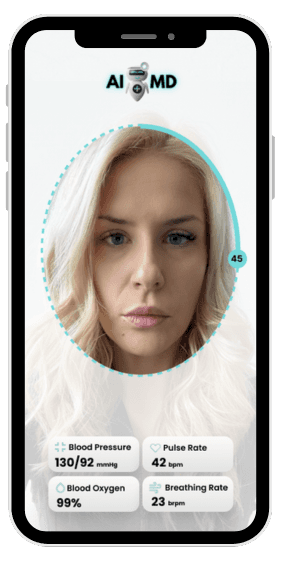
AI-MD can help you observe subtle changes in your body when using adaptogens and provide insights to guide which ones may best fit your wellness routine.
Potential Side Effects and Considerations
While adaptogens are generally considered safe for most people, they can cause side effects in some individuals. Common side effects may include digestive upset, headaches, or allergic reactions. It’s important to start with a low dose and monitor your body’s response before increasing your intake.
The quality of adaptogen supplements can vary significantly between brands. Look for products that have been third-party tested for purity and potency to ensure you’re getting a high-quality supplement.
It’s also important to remember that adaptogens are not a magic solution for weight loss. They should be viewed as a complementary approach to a healthy lifestyle that includes balanced nutrition and regular physical activity. Relying solely on adaptogens without making other lifestyle changes may not yield the desired results.
Using AI-MD, you can gain real-time insights into how your body reacts to adaptogens and make informed choices about incorporating them into your wellness routine.
The Bottom Line on Adaptogens for Weight Loss
Adaptogen supplements may support weight management through their effects on stress and metabolic balance, helping to regulate cortisol levels, boost energy, and support appetite control.
If you’re considering adaptogens for weight loss, use them as part of a holistic wellness plan that includes balanced nutrition, regular exercise, and stress-management practices. AI-MD can help you track your body’s responses and provide guidance on how adaptogens may fit safely and effectively into your personal routine.

How do adaptogens help with weight management?
What are the most common adaptogens used for weight loss?
Can adaptogens affect metabolism and fat burning?
Are there any side effects of using adaptogens for weight loss?
How long does it take to see results from adaptogens for weight loss?
What lifestyle changes should accompany the use of adaptogens for weight loss?



Get your personalized supplement match today — and join the future of data-driven wellness.