Maximizing Your Sleep with Whoop: A Comprehensive Guide
7 mins read
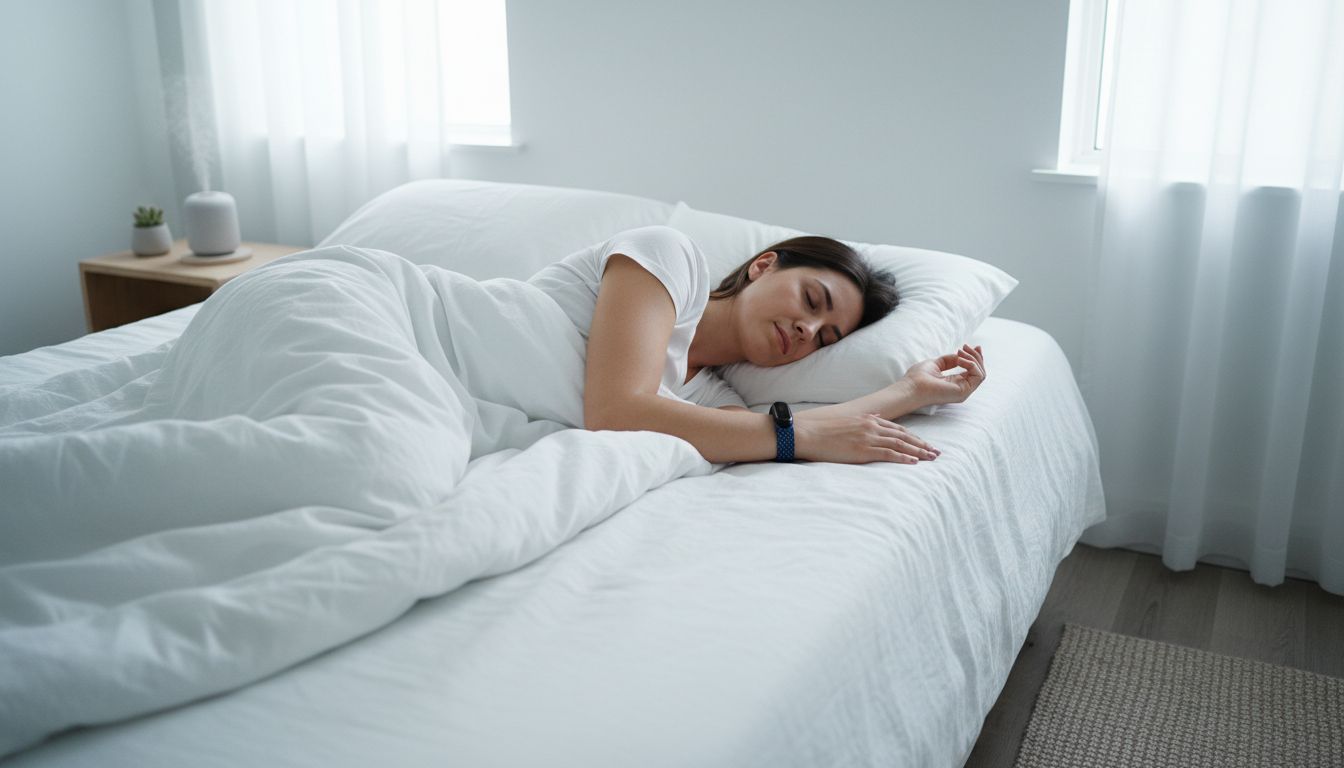
Understanding Sleep Stages
To effectively utilize Whoop for sleep optimization, it’s essential to understand the different stages of sleep and their significance. Sleep is divided into two main categories: Non-Rapid Eye Movement (NREM) sleep and Rapid Eye Movement (REM) sleep.
NREM Sleep: This stage consists of three phases, progressing from light sleep to deep sleep. Deep sleep (Stage 3) is especially important for physical recovery, muscle growth, and immune function. During this stage, the body repairs tissues, strengthens the immune system, and releases growth hormone.
REM Sleep: Characterized by increased brain activity, vivid dreaming, and muscle atonia, REM sleep is vital for memory consolidation, emotional regulation, and cognitive function. It typically occurs about 90 minutes after falling asleep and recurs multiple times throughout the night.
Whoop tracks these stages using heart rate variability (HRV) and other metrics, providing insights into your sleep quality and duration. By understanding these stages, you can make informed decisions to enhance your sleep experience.
How Whoop Measures Sleep
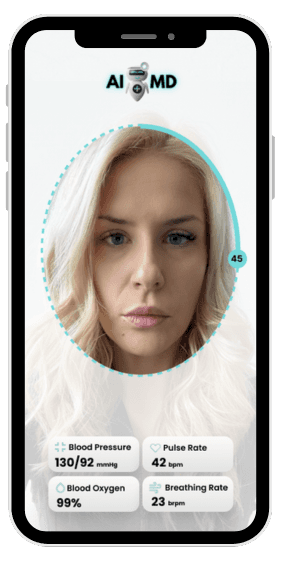
Whoop employs advanced sensors to track physiological signals during sleep, while AI‑MD offers a complementary, device-free approach to understanding your body’s rest patterns using just your smartphone.
Key insights include:
Heart Rate: Whoop measures changes in heart rate across sleep stages. Similarly, AI‑MD can detect subtle pulse patterns using your smartphone camera to provide insights into your rest cycles.
Heart Rate Variability (HRV): Whoop tracks HRV to assess recovery. AI‑MD can estimate HRV non-invasively and offer personalized feedback on your recovery status and stress response.
Sleep Duration & Stages: Whoop records time spent in each sleep stage. AI‑MD can analyze body signals to provide reflections on sleep quality and restorative rest—all without requiring wearable devices.
By leveraging these approaches, you can gain a comprehensive understanding of your sleep patterns—either via a wearable like Whoop or a device-free solution like AI‑MD—helping you optimize rest and recovery.
Setting Sleep Goals with Whoop
To maximize your sleep quality, it’s important to set specific, measurable sleep goals. Whoop allows you to customize your sleep targets based on your lifestyle, training demands, and recovery needs.
Here’s how to set effective sleep goals:
Assess Your Baseline: Begin by reviewing your current sleep patterns. Look at average sleep duration, sleep efficiency, and time spent in each sleep stage. Establishing a baseline helps identify areas where improvements are needed.
Establish a Sleep Schedule: Consistency is crucial for quality sleep. Aim to go to bed and wake up at the same time every day, including weekends. AI‑MD can track your patterns and reflect on how well you’re sticking to your schedule.
Set Incremental Goals: Start with small, achievable targets. For example, if you currently sleep 6 hours per night, try increasing to 6.5 hours for a few weeks before progressing further.
Monitor Recovery Metrics: Use recovery data—whether from Whoop or AI‑MD reflections—to see how well your body is recuperating. Consistently low recovery signals may indicate the need to prioritize restorative sleep.
By setting clear goals and regularly reviewing your progress, you can create a sustainable approach to improving your sleep quality.
Optimizing Your Sleep Environment
Your sleep environment plays a crucial role in the quality of your rest. Whoop can help you identify patterns related to your sleep environment and make necessary adjustments.
Here are some tips for optimizing your sleep space:
Control Light Exposure: Exposure to natural light during the day helps regulate your circadian rhythm. In the evening, reduce blue light from screens by using filters or avoiding devices. AI‑MD can help reflect how changes in light exposure affect your sleep patterns. Consider blackout curtains to minimize light intrusion while sleeping.
Maintain a Comfortable Temperature: The ideal sleep temperature for most adults is 60–67°F (15–19°C). Adjust your thermostat or bedding to find the most comfortable setting for restful sleep.
Minimize Noise: Noise disruptions can negatively impact sleep quality. Use white noise machines, earplugs, or soundproofing techniques to create a quieter environment.
Invest in Quality Bedding: A supportive mattress and comfortable pillows are key for good sleep. Select bedding that fits your sleeping position and personal comfort preferences.
By fine-tuning your sleep environment, you can create a space conducive to restorative sleep, as reflected in your Whoop data.
Incorporating Sleep Hygiene Practices
In addition to tracking your sleep with Whoop, incorporating good sleep hygiene practices can further enhance your sleep quality.
Here are some evidence-based strategies:
Establish a Relaxing Pre-Sleep Routine: Engage in calming activities before bed, such as reading, meditation, or gentle stretching. These routines signal to your body that it’s time to wind down and prepare for restorative sleep.
Limit Caffeine and Alcohol Intake: Both substances can disrupt sleep patterns. Limit caffeine in the afternoon and evening, and be mindful of alcohol, which can interfere with REM sleep.
Stay Active: Regular physical activity supports better sleep quality. Avoid vigorous exercise close to bedtime, as it may make falling asleep more difficult.
Manage Stress: Chronic stress can reduce sleep quality. Incorporate stress-reduction techniques such as mindfulness, deep breathing exercises, or yoga into your daily routine to improve rest and recovery.
By adopting these practices, you can create a holistic approach to sleep that complements the insights gained from Whoop.
Leveraging Whoop for Continuous Improvement
One of the key benefits of using Whoop is its ability to provide ongoing feedback and insights into your sleep patterns.
Here’s how to leverage this data for continuous improvement:
Regularly Review Your Sleep Data: Make it a habit to check your Whoop sleep reports consistently. Observe trends in sleep duration, sleep efficiency, and recovery scores to understand your patterns.
Adjust Your Goals as Needed: Use the insights from your data to reassess and update your sleep goals. If you consistently meet your targets, consider gradually increasing them for improved rest and recovery.
Experiment with Changes: Apply the feedback from Whoop to test different sleep strategies. For instance, if a specific pre-sleep routine improves your sleep quality, integrate it consistently into your nightly habits.
Engage with the Community: Connect with the Whoop user community to share experiences and tips. Engaging with others can offer motivation and fresh ideas for enhancing your sleep quality.
By actively using Whoop to inform your sleep practices, you can create a dynamic approach to optimizing your rest and overall health.
Incorporating Whoop into your sleep optimization journey can empower you to take control of your sleep quality. By understanding sleep stages, setting goals, optimizing your environment, practicing good sleep hygiene, and leveraging continuous feedback, you can maximize the restorative benefits of sleep and enhance your overall well-being.

How does Whoop track sleep quality?
What metrics does Whoop provide for sleep analysis?
Can Whoop help improve sleep habits?
What is the significance of sleep stages in Whoop data?
How does Whoop differentiate between light and deep sleep?
What factors can affect sleep scores in Whoop?



Get your personalized supplement match today — and join the future of data-driven wellness.