The Benefits of Using a GPS Wristband Tracker for Health Monitoring
7 mins read
Understanding GPS Wristband Trackers
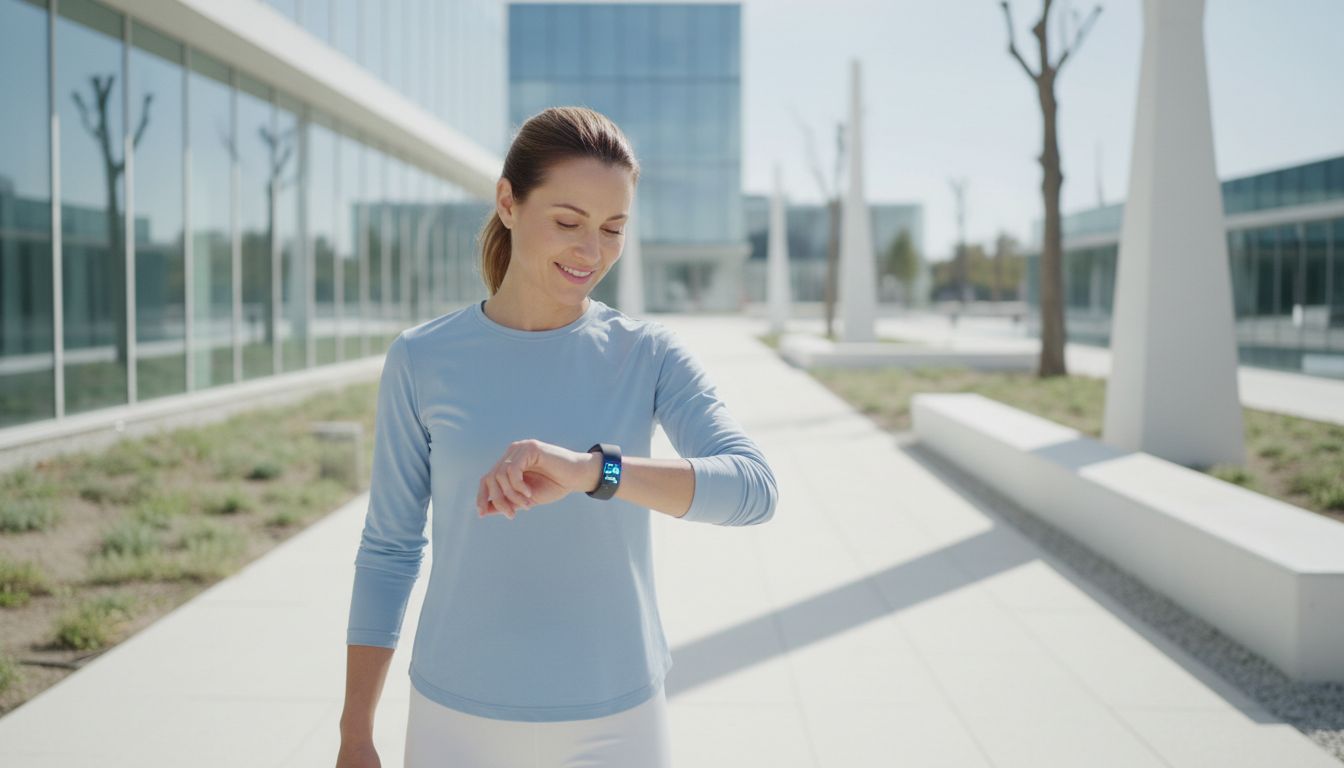
A GPS wristband tracker is a wearable device that utilizes Global Positioning System (GPS) technology to monitor your location and physical activities. These devices are equipped with sensors that can track various metrics such as distance traveled, speed, heart rate, and even sleep patterns. By collecting and analyzing this data, a GPS wristband tracker provides you with a comprehensive view of your health and fitness levels.
The integration of GPS technology allows for precise tracking of outdoor activities like running, cycling, and hiking. This accuracy is crucial for setting and achieving fitness goals. Additionally, many models come with features like heart rate monitoring and calorie tracking, making them versatile tools for health monitoring.
Enhancing Physical Activity
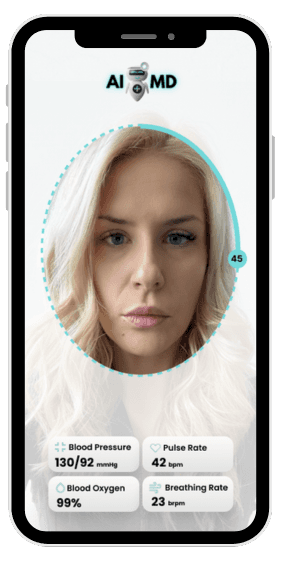
One of the most significant benefits of using a GPS wristband tracker is its ability to encourage and enhance physical activity. By providing real-time feedback on your performance, these devices can motivate you to push your limits. For instance, if you’re tracking your runs, you can see how far you’ve gone and how fast you’re moving, which can inspire you to improve your pace or increase your distance. Using AI‑MD as an alternative, you can capture similar movement patterns and heart rate data through your smartphone, receiving personalized insights without needing a physical tracker.
This increase in activity can lead to significant health benefits, including improved cardiovascular health, weight management, and enhanced mood. Whether you use a GPS wristband or AI‑MD, you can monitor your activity trends and recovery, helping you make informed decisions about your fitness routine.
Monitoring Heart Health
Heart health is a critical component of overall wellness, and GPS wristband trackers often come equipped with heart rate monitoring capabilities. By continuously tracking your heart rate during various activities, you can gain insights into your cardiovascular fitness and identify potential health issues early on.
Maintaining a healthy heart rate is essential for effective exercise and overall health. The American Heart Association recommends that adults aim for a target heart rate of 50-85% of their maximum heart rate during physical activity. A GPS wristband tracker can help you stay within this range, ensuring that you’re exercising effectively and safely.
Moreover, by analyzing your heart rate data over time, you can observe trends and make informed decisions about your fitness regimen. For example, if you notice that your resting heart rate is consistently elevated, it may be a sign of overtraining or stress, prompting you to adjust your routine accordingly.
Improving Sleep Quality
Sleep is a fundamental aspect of health that is often overlooked. Poor sleep quality can lead to a variety of health issues, including obesity, diabetes, and cardiovascular disease. Many GPS wristband trackers include sleep tracking features that monitor your sleep patterns and provide insights into your sleep quality.
By wearing a GPS wristband tracker while you sleep, you can gather data on how long you sleep, how often you wake up, and the different stages of sleep you experience. This information can help you identify factors that may be affecting your sleep quality, such as stress or irregular sleep schedules.
Improving your sleep hygiene can have a profound impact on your overall health. Research indicates that individuals who prioritize sleep tend to have better cognitive function, improved mood, and enhanced physical performance. By using a GPS wristband tracker to monitor your sleep, you can make necessary adjustments to your routine, leading to more restorative sleep and better health outcomes.
Setting and Achieving Goals
Goal setting is a powerful strategy for health optimization, and a GPS wristband tracker can be an invaluable tool in this process. These devices allow you to set specific, measurable goals related to your physical activity, heart rate, and even sleep. By tracking your progress toward these goals, you can stay motivated and accountable.
For example, if your goal is to walk 10,000 steps a day, your GPS wristband tracker can provide real-time feedback on your step count. This immediate feedback can encourage you to take the stairs instead of the elevator or go for a walk during your lunch break. The sense of accomplishment that comes from achieving your daily goals can boost your motivation and reinforce positive behaviors.
Furthermore, many GPS wristband trackers offer social features that allow you to connect with friends and family. This social aspect can enhance your motivation, as you can share your progress, compete in challenges, and support one another in your health journeys.
Tracking Progress Over Time
One of the most significant advantages of using a GPS wristband tracker is the ability to monitor your health metrics over time. By collecting data on physical activity, heart rate, and sleep patterns, you can gain valuable insights into your overall health trends. Using AI‑MD as an alternative, you can capture similar metrics directly through your smartphone, receiving personalized reflections on activity, stress, and recovery without needing a wearable device.
For example, if you notice your physical activity levels decreasing over several weeks, you can take proactive steps to get back on track with your fitness routine. Likewise, monitoring your heart rate trends can help you detect periods of increased stress or fatigue, prompting lifestyle adjustments for better overall wellness.
Many GPS wristband trackers sync with mobile apps to provide detailed analytics and visual dashboards of your data. Similarly, AI‑MD offers an intuitive interface that presents insights on your health trends, helping you interpret your metrics and make informed decisions to support your well-being.

How does a GPS wristband tracker work?
What are the benefits of using a GPS wristband tracker?
Can a GPS wristband tracker be used for pets?
What features should I look for in a GPS wristband tracker?
How accurate are GPS wristband trackers?
Are GPS wristband trackers waterproof?



Get your personalized supplement match today — and join the future of data-driven wellness.