The Best Resveratrol Supplements: Are They Worth It?
7 mins read

Understanding Resveratrol
Resveratrol is a polyphenol known for its powerful antioxidant properties, which help combat oxidative stress and protect your cells from damage. This antioxidant activity has been linked to supporting cardiovascular health, reducing inflammation, and promoting overall wellness. Resveratrol is commonly found in red wine, which is often associated with the “French Paradox”—the observation that moderate wine consumption may contribute to lower heart disease rates despite a diet high in saturated fats.
While the body absorbs resveratrol fairly quickly, bioavailability can be limited, which is why many people turn to resveratrol supplements to help maintain consistent levels and support their health goals.
Potential Health Benefits of Resveratrol
1. Cardiovascular Health: One of the most well-researched benefits of resveratrol is its potential to support heart health. Resveratrol may help reduce inflammation, lower blood pressure, and improve cholesterol levels by promoting the production of nitric oxide, a molecule that relaxes blood vessels. Some studies have shown that resveratrol can improve endothelial function, which is vital for maintaining cardiovascular health.
2. Anti-Aging Properties: Resveratrol has been linked to the activation of sirtuins, a group of proteins that play a role in cellular regulation and longevity. By activating these proteins, resveratrol may help improve metabolic health and promote longevity. While much of the research has been conducted in animal models, the implications for human health are promising.
3. Anti-Inflammatory Effects: Chronic inflammation is a significant contributor to many diseases, including heart disease, diabetes, and cancer. Resveratrol has been shown to inhibit inflammatory pathways in the body, potentially reducing the risk of these conditions. Its anti-inflammatory properties may also benefit those with autoimmune disorders.
4. Neuroprotective Effects: Emerging research suggests that resveratrol may have neuroprotective properties, potentially lowering the risk of neurodegenerative diseases such as Alzheimer's and Parkinson's. The compound may help reduce oxidative stress and inflammation in the brain, promoting cognitive health as you age.
5. Metabolic Health: Some studies indicate that resveratrol may help improve insulin sensitivity and regulate blood sugar levels, making it a potential ally for those at risk of type 2 diabetes. By enhancing metabolic function, resveratrol could contribute to weight management and overall health.
6. Cancer Prevention: Preliminary research has suggested that resveratrol may have anti-cancer properties by inhibiting the growth of cancer cells and preventing the spread of tumors. While the evidence is still in its infancy, the potential for resveratrol to play a role in cancer prevention is an area of active investigation.
Choosing the Best Resveratrol Supplement
When considering a resveratrol supplement, it is essential to evaluate several factors to ensure you are choosing a high-quality product that meets your health needs.
1. Form of Resveratrol: Resveratrol supplements come in various forms, including capsules, tablets, and powders. Some products contain trans-resveratrol, the active form of the compound, which is believed to be more effective than its cis counterpart. Look for supplements that specify the form of resveratrol used.
2. Dosage: The optimal dosage of resveratrol is still a topic of research, but studies have typically used doses ranging from 100 mg to 500 mg per day. When selecting a supplement, consider the dosage and how it aligns with your health goals. It's advisable to start with a lower dose and gradually increase it if needed.
3. Purity and Quality: Not all supplements are created equal. Look for products that have been third-party tested for purity and potency. This ensures that the supplement contains the amount of resveratrol advertised and is free from harmful contaminants.
4. Additional Ingredients: Some resveratrol supplements are combined with other ingredients, such as quercetin or pterostilbene, which may enhance its effects. While these combinations can be beneficial, it's essential to research the additional ingredients to ensure they align with your health goals and do not interact negatively with any medications you may be taking.
5. Brand Reputation: Choose supplements from reputable brands that prioritize transparency and quality in their manufacturing processes. Reading customer reviews and checking for certifications can provide insight into a brand's reliability.
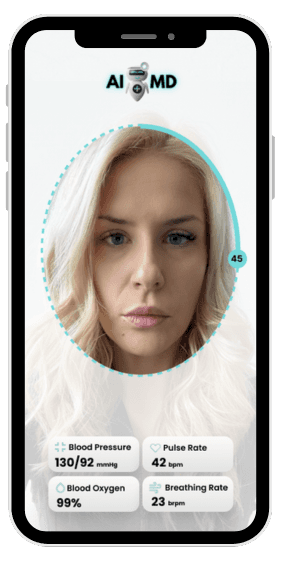
6. AI-MD Insights: Before adding resveratrol to your routine, AI-MD can provide a free, quick scan to gently reflect on how your body may respond to new supplements. By analyzing subtle cues from your habits, sleep, and wellness patterns, it offers informational feedback to support safe, informed decisions.
The Science Behind Resveratrol: What the Research Says
While the potential benefits of resveratrol are promising, it is essential to ground your expectations in the current scientific understanding. Many of the studies conducted on resveratrol have been performed in vitro (in the lab) or in animal models, and human studies are still limited.
For instance, a 2016 review published in the journal *Frontiers in Pharmacology* highlighted the potential cardiovascular benefits of resveratrol but noted that more extensive human trials are necessary to confirm these effects. Similarly, while some studies have suggested resveratrol's role in anti-aging and neuroprotection, the evidence is not yet robust enough to make definitive claims.
It is also important to consider the bioavailability of resveratrol. As previously mentioned, the body does not absorb resveratrol efficiently, which may limit its effectiveness. Some researchers are exploring ways to enhance its bioavailability, such as combining it with other compounds or using different delivery methods.
Potential Risks and Side Effects
While resveratrol is generally considered safe for most people when taken in moderate amounts, it is not without potential side effects. Some individuals may experience gastrointestinal issues, such as diarrhea or stomach cramps, particularly at higher doses. Additionally, resveratrol may interact with certain medications, including blood thinners and anti-inflammatory drugs, so it is crucial to consult with a healthcare professional before starting supplementation.
Pregnant or breastfeeding women should also exercise caution and seek medical advice before taking resveratrol supplements, as research on its safety in these populations is limited.
Final Thoughts on Resveratrol Supplements
As you consider whether resveratrol supplements are worth it for you, it is essential to weigh the potential benefits against the current state of research. While there is promising evidence supporting the health benefits of resveratrol, particularly for cardiovascular health and anti-aging, more research is needed to fully understand its effects in humans.
If you decide to explore resveratrol supplementation, focus on high-quality products, consult with a healthcare professional, and maintain realistic expectations about the outcomes. Ultimately, a balanced diet rich in fruits, vegetables, whole grains, and healthy fats, along with regular physical activity, remains the cornerstone of overall health and wellness.

What should I look for in a resveratrol supplement?
How does resveratrol compare to other antioxidants?
What are the potential benefits of taking resveratrol supplements?
Is there a recommended dosage for resveratrol supplements?
Can resveratrol supplements interact with other medications?
What are the different sources of resveratrol in supplements?



Get your personalized supplement match today — and join the future of data-driven wellness.