Understanding Sleep Debt: How to Calculate and Manage It
7 mins read

What is Sleep Debt?
Sleep debt refers to the cumulative effect of not getting enough sleep over time. When you consistently sleep less than your body requires, you accumulate a deficit that can negatively impact your health. The average adult needs about 7 to 9 hours of sleep per night, although individual requirements may vary. When you fall short of this target, your body starts to experience the consequences of sleep deprivation.
Physiologically, sleep debt can lead to a range of issues, including impaired cognitive function, weakened immune response, and increased risk of chronic conditions such as obesity, diabetes, and cardiovascular disease. The body relies on sleep to repair tissues, consolidate memories, and regulate hormones. Therefore, accumulating sleep debt can disrupt these essential processes, leading to both short-term and long-term health problems.
How to Calculate Sleep Debt
A sleep debt calculator helps track how much rest your body may be missing over time. You can also estimate your sleep debt manually by following these simple steps:
1. Identify Your Sleep Needs: Most adults function best with 7–9 hours of sleep per night. Choose the amount that feels most restorative for your body based on your energy, focus, and mood.
2. Track Your Sleep for One Week: Record how many hours you sleep each night for at least seven consecutive days. You can do this using a sleep diary, a wearable device, or AI-MD, which automatically captures your sleep patterns for you.
3. Calculate Your Sleep Debt: Add up your total sleep hours for the week and compare them to how much sleep your body actually needed.
Sleep Debt Formula
(Hours of sleep you need × Number of nights) − Total hours slept
Example
If your body needs 8 hours of sleep per night, but you only slept 6 hours per night for 7 nights:
(8 × 7) − (6 × 7) = 56 − 42 = 14 hours of sleep debt
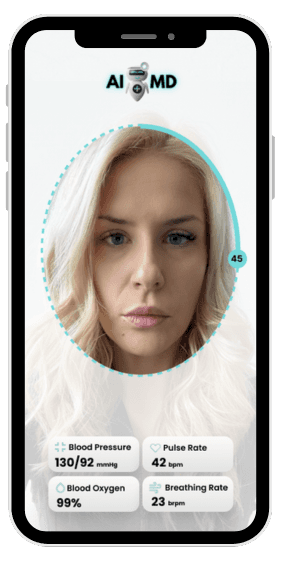
Use AI-MD Insights: AI-MD can automatically track your sleep, calculate ongoing sleep debt, and help you spot patterns over time—making it easier to adjust your habits and recover more effectively.
This means your body is missing about 14 hours of sleep over the week.
The Role of Wearables in Tracking Sleep
Wearable technology has revolutionized the way we monitor our health, including sleep patterns. Devices such as smartwatches and fitness trackers can provide valuable insights into your sleep quality and duration. Many wearables come equipped with features that track your sleep stages, including light, deep, and REM sleep, giving you a comprehensive view of your nightly rest.
Using a wearable device can help you:
Monitor Sleep Patterns: Track how many hours you sleep and the quality of that sleep over time.
Set Goals: Establish sleep goals based on your individual needs and monitor your progress.
Receive Insights: Get personalized recommendations for improving sleep quality based on your data.
By utilizing a sleep debt calculator in conjunction with wearables, you can gain a clearer understanding of your sleep habits and make informed decisions to improve your overall health.
Effects of Sleep Debt on Health
The consequences of sleep debt extend far beyond feeling tired. Chronic sleep deprivation can lead to a variety of health issues, both mental and physical.
Here are some of the significant effects:
1. Cognitive Impairment: Lack of sleep can impair attention, alertness, concentration, reasoning, and problem-solving skills. This can affect your performance at work or school.
2. Emotional Disturbances: Sleep debt is associated with mood swings, irritability, anxiety, and depression. Insufficient sleep can disrupt the regulation of emotions, making it harder to cope with stress.
3. Physical Health Risks: Chronic sleep deprivation is linked to a higher risk of developing conditions such as obesity, diabetes, heart disease, and hypertension. Sleep plays a critical role in metabolic regulation and cardiovascular health.
4. Weakened Immune Function: Sleep is essential for a healthy immune system. Lack of sleep can reduce the production of cytokines, proteins that are crucial for fighting infections and inflammation.
5. Hormonal Imbalances: Sleep debt can disrupt the balance of hormones that regulate appetite, such as ghrelin and leptin, potentially leading to weight gain.
Understanding these effects underscores the importance of addressing sleep debt proactively.
Strategies for Managing Sleep Debt
Managing sleep debt requires a multi-faceted approach.
Here are some effective strategies to help you catch up on sleep and improve your overall sleep hygiene:
1. Prioritize Sleep: Make sleep a non-negotiable part of your daily routine. Set a consistent bedtime and wake-up time, even on weekends, to regulate your body’s internal clock.
2. Create a Sleep-Friendly Environment: Optimize your sleep environment by keeping your bedroom dark, quiet, and cool. Consider using blackout curtains, earplugs, or white noise machines to minimize disturbances.
3. Limit Screen Time Before Bed: The blue light emitted by screens can interfere with melatonin production, making it harder to fall asleep. Aim to turn off electronic devices at least an hour before bedtime.
4. Practice Relaxation Techniques: Incorporate relaxation practices such as deep breathing, meditation, or gentle yoga into your evening routine to help calm your mind and prepare for sleep.
5. Avoid Stimulants: Limit caffeine and nicotine intake, especially in the hours leading up to bedtime. These substances can disrupt your ability to fall asleep and stay asleep.
6. Consider Napping: If you’re struggling to catch up on sleep, short naps (20–30 minutes) during the day can help alleviate some sleep debt without interfering with nighttime sleep.
By implementing these strategies, you can effectively manage your sleep debt and improve your overall health and well-being.
When to Seek Professional Help
While many people can manage sleep debt through lifestyle changes, some may need extra guidance. If you notice persistent sleep problems or experience symptoms like chronic fatigue, excessive daytime sleepiness, or difficulty concentrating, it may be time to seek professional advice.
Sleep disorders such as insomnia, sleep apnea, or restless leg syndrome can significantly affect sleep quality and overall health. Consulting a healthcare professional can help identify underlying issues and recommend appropriate interventions.
Understanding and managing sleep debt is crucial for maintaining optimal health. AI-MD can help track your sleep patterns in real time, estimate sleep debt, and reveal trends over time, giving you actionable insights to improve sleep hygiene. Prioritizing sleep isn’t just about feeling rested—it’s a key part of your overall health.

How does a sleep debt calculator work?
What factors should I consider when using a sleep debt calculator?
Can a sleep debt calculator help improve my sleep quality?
What is the significance of tracking sleep debt?
How can I reduce my sleep debt effectively?
Is there a difference between sleep debt and sleep deprivation?



Get your personalized supplement match today — and join the future of data-driven wellness.