Understanding Sleeping HRV by Age: What You Need to Know?
7 mins read

What is Heart Rate Variability?
Heart rate variability refers to the variation in time intervals between heartbeats. Instead of your heart beating at a steady rate, it fluctuates slightly from beat to beat. This variability is a sign of a healthy autonomic nervous system, which is responsible for regulating bodily functions such as heart rate, digestion, and respiratory rate.
A higher HRV indicates a robust ability to adapt to stress and recover from it, while a lower HRV can suggest stress, fatigue, or even underlying health issues. Understanding your sleeping HRV can provide insights into your overall health, particularly how well your body is recovering during sleep.
How Does Age Affect Sleeping HRV?
As you age, your body undergoes various physiological changes that can impact HRV. Generally, younger individuals tend to have higher HRV, which indicates better cardiovascular fitness and resilience to stress.
In contrast, older adults often experience a decline in HRV, which can be attributed to several factors:
Autonomic Nervous System Changes: Aging is associated with a shift in the balance between the sympathetic (fight or flight) and parasympathetic (rest and digest) branches of the autonomic nervous system. Older adults may exhibit increased sympathetic activity, which can reduce HRV.
Cardiovascular Health: As you age, the heart and blood vessels may become stiffer, leading to changes in heart function and a decrease in HRV. Conditions such as hypertension and atherosclerosis can further exacerbate this decline.
Lifestyle Factors: Sedentary behavior, poor diet, and chronic stress can negatively impact HRV. Older adults may be more susceptible to these factors, leading to a lower HRV.
Sleep Quality: Sleep patterns often change with age, with older adults experiencing lighter sleep and more frequent awakenings. Poor sleep quality can adversely affect HRV, as restorative sleep is crucial for autonomic balance.
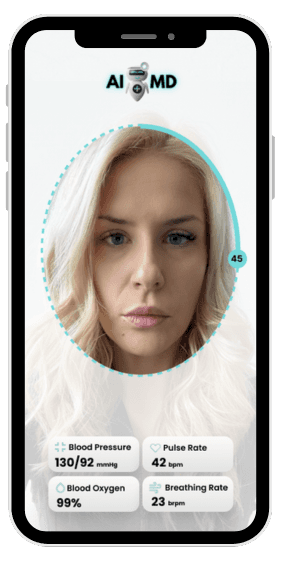
The Importance of Monitoring Sleeping HRV
Monitoring your sleeping HRV can provide valuable insights into your health and well-being.
Here are some reasons why tracking this metric is essential:
Stress Management: By understanding your HRV patterns, you can identify periods of high stress and take proactive steps to manage it. Techniques such as mindfulness, meditation, and deep breathing can help improve HRV.
Fitness and Recovery: Athletes often use HRV to gauge recovery and readiness for training. A sudden drop in HRV may indicate that your body needs more time to recover, allowing you to adjust your training intensity accordingly.
Health Monitoring: Changes in HRV can be early indicators of health issues. For example, a consistent decline in HRV may signal the onset of conditions such as cardiovascular disease or metabolic syndrome.
Sleep Quality Assessment: Tracking your sleeping HRV can help you assess the quality of your sleep. If you notice low HRV during sleep, it may be time to evaluate your sleep environment and habits.
How Wearables Can Help You Track Sleeping HRV
Wearable technology has revolutionized the way we monitor our health, and tracking HRV is no exception. Many modern fitness trackers and smartwatches come equipped with sensors that can measure HRV during sleep.
Here’s how wearables can assist you:
Continuous Monitoring: Wearables can provide continuous HRV data throughout the night, allowing you to see trends and fluctuations over time. This can help you identify patterns related to sleep quality, stress levels, and overall health.
User-Friendly Interfaces: Most wearables come with user-friendly apps that present HRV data in an easily digestible format. You can quickly view your sleeping HRV trends and compare them with other health metrics.
Integration with Lifestyle Apps: Many wearables can sync with other health and fitness apps, providing a comprehensive view of your health. You can correlate your HRV data with factors such as exercise, nutrition, and stress levels.
Alerts and Insights: Some wearables offer personalized insights and alerts based on your HRV readings. For instance, if your HRV drops significantly, the device might suggest rest or recovery strategies.
Motivation and Accountability: Tracking your HRV can motivate you to adopt healthier habits. Seeing improvements in your HRV can encourage you to maintain a balanced lifestyle, while declines may prompt you to reassess your habits.
Interpreting Your Sleeping HRV Data
Understanding your sleeping HRV data is crucial for making informed health decisions.
Here are some key points to consider when interpreting your HRV readings:
Baseline HRV: Establish your baseline HRV by tracking it over several nights. This will give you a reference point to compare future readings.
Daily Variability: It’s normal for HRV to fluctuate from night to night. Look for trends rather than focusing on individual readings. A consistent decline over time may warrant further investigation.
Context Matters: Consider the context of your HRV readings. Factors such as stress, illness, exercise, and sleep quality can all impact HRV. Use this information to make lifestyle adjustments as needed.
Age Considerations: Remember that HRV norms can vary by age. What may be considered a healthy HRV for a younger individual might differ for someone older. Familiarize yourself with age-related HRV benchmarks to better understand your readings.
Consult Healthcare Professionals: If you notice significant changes in your HRV or have concerns about your health, consult a healthcare professional. They can provide personalized guidance based on your overall health profile.
Strategies to Improve Sleeping HRV
If you're looking to enhance your sleeping HRV, several lifestyle changes can help:
Prioritize Sleep: Aim for 7-9 hours of quality sleep each night. Establish a consistent sleep schedule and create a calming bedtime routine to improve sleep quality.
Manage Stress: Incorporate stress-reduction techniques such as yoga, meditation, or deep breathing exercises into your daily routine. These practices can help activate the parasympathetic nervous system, promoting higher HRV.
Stay Active: Regular physical activity is linked to improved HRV. Aim for a mix of aerobic and strength-training exercises, but be mindful of not overtraining, as excessive exercise can lead to lower HRV.
Eat a Balanced Diet: A diet rich in whole foods, including fruits, vegetables, lean proteins, and healthy fats, can support overall health and improve HRV. Stay hydrated and limit processed foods and added sugars.
Limit Alcohol and Caffeine: Both alcohol and caffeine can negatively impact sleep quality and HRV. Moderation is key; consider reducing or eliminating these substances, especially in the hours leading up to bedtime.
Create a Sleep-Friendly Environment: Ensure your sleep environment is conducive to rest. Keep your bedroom dark, quiet, and cool, and invest in a comfortable mattress and pillows.
By understanding sleeping HRV by age and utilizing wearables to track your progress, you can take proactive steps toward optimizing your health and well-being. Whether you’re a young adult looking to enhance performance or an older individual aiming to maintain vitality, monitoring your HRV can provide valuable insights into your overall health journey.

How does age affect heart rate variability during sleep?
What is the average sleeping HRV for different age groups?
Why is heart rate variability important for sleep quality as we age?
How can I improve my sleeping HRV as I get older?
What factors influence sleeping HRV in older adults?
Is there a significant difference in sleeping HRV between men and women by age?



Get your personalized supplement match today — and join the future of data-driven wellness.