How to Increase Heart Rate Variability During Sleep
7 mins read

Understanding Heart Rate Variability
Before diving into strategies for increasing HRV during sleep, it’s essential to understand what HRV is and why it matters. HRV is primarily regulated by the autonomic nervous system, which consists of two branches: the sympathetic nervous system (responsible for the fight-or-flight response) and the parasympathetic nervous system (which promotes rest and recovery).
A higher HRV indicates a robust parasympathetic response, suggesting that your body can effectively manage stress and recover during sleep. Conversely, a lower HRV may indicate stress, fatigue, or an imbalance in your autonomic nervous system. Monitoring your HRV can provide insights into your overall health and well-being, making it a valuable metric for those interested in improving their heart health.
The Role of Sleep Quality in HRV
Sleep quality plays a significant role in your HRV. During deep sleep, your body undergoes essential restorative processes, including tissue repair, immune function enhancement, and hormonal regulation. Poor sleep quality can lead to decreased HRV, as it may activate the sympathetic nervous system and hinder the parasympathetic response.
To improve your sleep quality, consider establishing a consistent sleep schedule. Going to bed and waking up at the same time each day helps regulate your body’s internal clock, promoting better sleep architecture. Aim for 7-9 hours of quality sleep each night. Additionally, create a sleep-friendly environment by keeping your bedroom dark, quiet, and cool. These adjustments can enhance your overall sleep quality, thereby positively impacting your HRV.
Utilizing Wearables to Monitor and Improve HRV
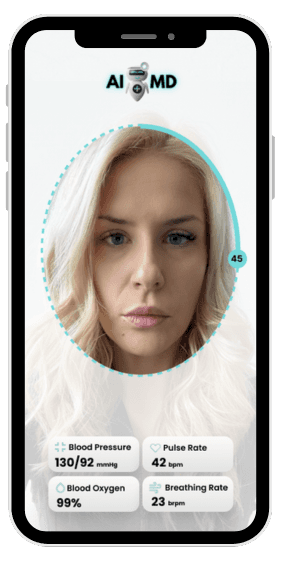
Wearable technology has revolutionized how we track our health metrics, including HRV. Devices like smartwatches and fitness trackers can provide real-time data on your heart rate and HRV, allowing you to monitor your progress over time. By analyzing this data, you can identify patterns and make informed decisions about your lifestyle choices.
To maximize the benefits of wearables, consider using them to track your sleep patterns. Many devices offer insights into your sleep stages, duration, and quality. By correlating your HRV data with your sleep metrics, you can identify factors that may be affecting your HRV during sleep. For instance, if you notice a drop in HRV on nights when you consume alcohol or engage in late-night screen time, you can adjust your habits accordingly.
Breathing Techniques for Enhanced HRV
Breathing techniques can significantly influence your HRV, especially during sleep. Slow, deep breathing activates the parasympathetic nervous system, promoting relaxation and recovery. One effective method is diaphragmatic breathing, which encourages full oxygen exchange and stimulates the vagus nerve, a key player in regulating HRV.
To practice diaphragmatic breathing, lie down comfortably and place one hand on your chest and the other on your abdomen. Inhale deeply through your nose, allowing your abdomen to rise while keeping your chest still. Exhale slowly through your mouth. Aim for a breathing rate of about 5-6 breaths per minute. Incorporating this technique into your bedtime routine can help you wind down and potentially increase your HRV during sleep.
The Impact of Nutrition on HRV
What you eat can also affect your HRV, particularly in relation to sleep. A balanced diet rich in whole foods, including fruits, vegetables, lean proteins, and healthy fats, can support optimal heart health and HRV. Certain nutrients, such as omega-3 fatty acids, magnesium, and antioxidants, have been shown to positively influence HRV.
To enhance your HRV during sleep, consider the timing and composition of your evening meals. Eating a large meal right before bed can disrupt your sleep and negatively impact your HRV. Instead, aim to finish eating at least 2-3 hours before bedtime. If you’re looking for a light snack, consider options rich in magnesium, such as almonds or bananas, which may promote relaxation and improve sleep quality.
Incorporating Mindfulness and Relaxation Practices
Mindfulness and relaxation practices can significantly enhance your HRV during sleep. Techniques such as meditation, yoga, and progressive muscle relaxation help reduce stress and promote a state of calm, which is conducive to better sleep and higher HRV.
Consider incorporating a short mindfulness practice into your nightly routine. This could involve guided meditation, gentle yoga stretches, or even simple visualization exercises. Research has shown that regular mindfulness practice can lead to improvements in HRV, particularly in individuals experiencing high levels of stress. By integrating these practices into your evening, you can create a more conducive environment for restful sleep and enhanced HRV.

What lifestyle changes can help improve HRV during sleep?
How does sleep environment affect HRV levels at night?
Can breathing techniques enhance HRV while sleeping?
What role does sleep duration play in HRV improvement?
How does stress management influence HRV during sleep?
Are there specific sleep positions that may boost HRV?



Get your personalized supplement match today — and join the future of data-driven wellness.