Understanding Blood Pressure Cuffs and Irregular Heartbeats
7 mins read

What is a Blood Pressure Cuff?
A blood pressure cuff, or sphygmomanometer, is a device designed to measure the pressure of blood in your arteries. It typically consists of an inflatable cuff, a measuring unit, and a bulb for inflation. When the cuff is inflated, it compresses the arteries in your arm, temporarily stopping blood flow. As the cuff slowly deflates, the device measures the pressure at which blood begins to flow again (systolic pressure) and when it can flow freely (diastolic pressure).
Blood pressure is expressed in millimeters of mercury (mmHg) and is represented as two numbers, such as 120/80 mmHg. The first number indicates the pressure during heartbeats, while the second number represents the pressure between beats. Regular monitoring can help you detect changes in your cardiovascular health, allowing for timely interventions.
The Impact of Irregular Heartbeats
An irregular heartbeat, or arrhythmia, occurs when the heart beats too quickly, too slowly, or in an irregular pattern. This condition can arise from various factors, including stress, electrolyte imbalances, or underlying heart conditions. Irregular heartbeats can lead to complications such as stroke, heart failure, or other serious heart issues.
When you have an irregular heartbeat, your heart may not pump blood effectively, which can affect blood pressure readings. For instance, if your heart beats erratically, the pressure in your arteries may fluctuate, leading to inconsistent blood pressure measurements. Understanding how these irregularities impact your health is crucial for effective monitoring and management.
How Blood Pressure Cuffs Measure Irregular Heartbeats
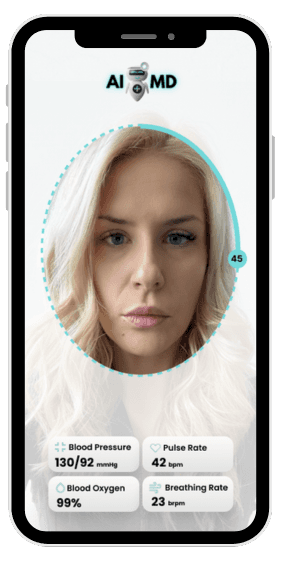
Most modern blood pressure cuffs are equipped with technology to detect irregular heartbeats during measurement. These devices often feature an algorithm that analyzes the rhythm of your heartbeat while taking a reading. If an irregular heartbeat is detected, the device may display a warning symbol or message, alerting you to the potential issue.
It's important to note that while blood pressure cuffs can indicate the presence of an irregular heartbeat, they are not diagnostic tools. If you receive a reading that suggests an irregular heartbeat, it’s advisable to consult with a healthcare professional for further evaluation. They may recommend additional tests, such as an electrocardiogram (ECG), to provide a more comprehensive assessment of your heart health.
Choosing the Right Blood Pressure Cuff
When selecting a blood pressure cuff, consider factors such as size, type, and features. Blood pressure cuffs come in different sizes to accommodate various arm circumferences. Using the correct size is essential for accurate readings; a cuff that is too small or too large can lead to false results.
There are two main types of blood pressure cuffs: manual and automatic. Manual cuffs require a stethoscope and practice to use effectively, while automatic cuffs are user-friendly and often provide digital readings. If you have an irregular heartbeat, an automatic cuff with irregular heartbeat detection may be particularly beneficial, as it can help you monitor your condition with ease.
Best Practices for Accurate Blood Pressure Monitoring
To ensure accurate blood pressure readings, follow these best practices:
Choose the Right Time: Measure your blood pressure at the same time each day for consistency. Avoid measuring after exercise, caffeine, or meals, as these factors can temporarily elevate your blood pressure.
Sit Correctly: Sit in a comfortable chair with your back supported and feet flat on the floor. Rest your arm at heart level, and keep it still during the measurement.
Relax: Take a few deep breaths before measuring your blood pressure to help calm your heart rate and reduce anxiety, which can affect readings.
Record Your Readings: Keep a log of your blood pressure readings, including the date, time, and any notes about your condition. This information can be valuable for your healthcare provider.
Consult Your Doctor: If you consistently notice irregularities in your readings or experience symptoms like dizziness or palpitations, seek medical advice. Your healthcare provider can help you interpret your results and recommend appropriate actions.
The Importance of Regular Monitoring
Regular blood pressure monitoring is vital for maintaining heart health, especially if you have risk factors for cardiovascular disease. High blood pressure, or hypertension, often presents with no symptoms, making it essential to check your levels routinely. If you have an irregular heartbeat, monitoring becomes even more critical, as it can help you and your healthcare provider make informed decisions about your treatment plan.
By understanding how blood pressure cuffs work and how they relate to irregular heartbeats, you can take proactive steps to manage your cardiovascular health. Whether you’re using a cuff at home or during a visit to your doctor, being informed will empower you to make better choices for your heart health.

How does an irregular heartbeat affect blood pressure readings?
What should I do if my blood pressure cuff detects an irregular heartbeat?
Can stress cause an irregular heartbeat when using a blood pressure cuff?
What are the common causes of irregular heartbeat during blood pressure measurement?
Is it normal to have an irregular heartbeat when measuring blood pressure at home?
How can I ensure accurate blood pressure readings if I have an irregular heartbeat?



Get your personalized supplement match today — and join the future of data-driven wellness.