Understanding Dangerously Low Heart Rate Variability (HRV)
7 mins read

What is Heart Rate Variability?
Heart rate variability is the measure of the time difference between successive heartbeats. This variability is influenced by the autonomic nervous system, which comprises two branches: the sympathetic nervous system (responsible for the "fight or flight" response) and the parasympathetic nervous system (which promotes "rest and digest" activities).
When you are relaxed, your parasympathetic system dominates, leading to a higher HRV. Conversely, when you are stressed or anxious, the sympathetic system takes over, resulting in a lower HRV. Therefore, HRV serves as a window into your body’s stress levels, recovery status, and overall health.
What is Considered a Dangerously Low HRV?
A dangerously low HRV is generally considered a value well below the typical range for your age and fitness level. While numbers can vary greatly between individuals, an HRV under 30 milliseconds (ms) is often seen as low and may signal increased stress on the cardiovascular system.
Individual factors like age, fitness level, and overall health make these numbers relative. For example, athletes usually have higher baseline HRV than sedentary individuals, so what’s low for one person may be normal for another.
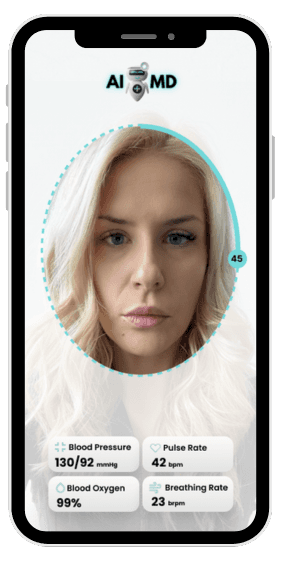
Tracking your HRV trends over time is far more meaningful than focusing on a single reading. A consistent downward trend could indicate that your body is under stress or not recovering effectively. With AI-MD, you can monitor these signals in real time, gaining personalized insights into how your body responds and recovers.
Health Implications of Low HRV
A low HRV is often linked to various health challenges, particularly affecting heart function. It can signal that your body is under stress, which may impact how well it adapts to physical demands and recovers from exercise or daily activities.
Chronic stress and low HRV can create a cycle where the body struggles to bounce back, potentially affecting energy levels, resilience, and overall wellness. Over time, this can make it harder for the body to respond efficiently to physical or mental stressors.
By monitoring HRV trends, you can gain insights into how your body is coping with stress and recovery. AI-MD allows you to track these signals in real time, providing personalized feedback to help support better wellness decisions and recovery strategies.
Factors Influencing HRV
Several factors can influence your HRV, both positively and negatively. Understanding these factors can help you take actionable steps to improve your heart health.
Physical Activity: Regular exercise is one of the most effective ways to boost HRV. Aerobic activities, strength training, and even yoga can enhance your cardiovascular fitness and improve your HRV.
Stress Management: Chronic stress is a significant contributor to low HRV. Techniques such as mindfulness, meditation, and deep-breathing exercises can help activate the parasympathetic nervous system, thereby increasing HRV.
Sleep Quality: Poor sleep can negatively impact HRV. Aim for 7–9 hours of quality sleep each night to support your body’s recovery and improve your HRV.
Nutrition: A balanced diet rich in omega-3 fatty acids, antioxidants, and whole foods can promote better heart health and improve HRV. Avoiding excessive alcohol and processed foods is also beneficial.
Hydration: Staying well-hydrated is essential for maintaining optimal physiological functions, including heart rate variability. Dehydration can lead to increased heart rate and lower HRV.
Medical Conditions: Certain medical conditions, such as diabetes, obesity, and cardiovascular diseases, can lower HRV. Managing these conditions through lifestyle changes and medical interventions can help improve your HRV.
Monitoring Your HRV
Monitoring your HRV can offer valuable insights into your overall wellness. Many wearable devices and smartphone apps can track HRV in real time, often using technologies like photoplethysmography (PPG) or electrocardiography (ECG).
Consistency is key when tracking HRV. Measure it at the same time each day—ideally in the morning after waking—to establish a reliable baseline. This makes it easier to spot trends and understand how your body responds to stress, sleep, and activity.
If you notice a significant drop in your HRV, take a closer look at lifestyle factors such as stress, sleep quality, and exercise habits. With AI-MD, you can monitor these signals in real time and gain personalized insights into how your body is coping, helping you make informed wellness decisions.
Strategies to Improve HRV
Improving your HRV is a proactive way to enhance your heart health and overall well-being.
Here are some strategies you can implement:
Engage in Regular Exercise: Aim for at least 150 minutes of moderate aerobic activity each week, along with strength training exercises at least twice a week. Activities like walking, running, cycling, and swimming can significantly boost your HRV.
Practice Mindfulness and Relaxation Techniques: Incorporate practices such as meditation, yoga, or tai chi into your routine. These activities can help reduce stress and promote relaxation, leading to improved HRV.
Prioritize Sleep: Establish a consistent sleep schedule and create a restful sleep environment. Limiting screen time before bed and practicing good sleep hygiene can enhance your sleep quality.
Eat a Heart-Healthy Diet: Focus on a diet rich in fruits, vegetables, whole grains, lean proteins, and healthy fats. Foods high in omega-3 fatty acids, such as fatty fish, walnuts, and flaxseeds, can be particularly beneficial.
Stay Hydrated: Aim to drink enough water throughout the day to stay properly hydrated. Monitor your fluid intake, especially during exercise or hot weather.
Limit Alcohol and Caffeine: Both substances can negatively impact your HRV. Moderation is key; consider reducing your intake to improve your heart health.
By understanding what constitutes a dangerously low HRV and taking steps to improve it, you can significantly enhance your heart health and overall wellness. Monitoring your HRV and making informed lifestyle choices will empower you to take control of your health and well-being.

What are the symptoms of dangerously low HRV?
How can I improve my heart rate variability if it's low?
What causes dangerously low heart rate variability?
Is there a specific HRV number that is considered dangerously low?
How does stress affect heart rate variability levels?
Can lifestyle changes impact my heart rate variability?



Get your personalized supplement match today — and join the future of data-driven wellness.