Understanding HRV: Your Guide to Heart Rate Variability Calculators
7 mins read

What is Heart Rate Variability?
Heart Rate Variability refers to the variation in time intervals between consecutive heartbeats. Unlike a metronome, which ticks at a constant pace, your heart doesn't beat like a drum. Instead, it fluctuates based on various factors, including your body's physiological state, emotional responses, and environmental influences.
The autonomic nervous system (ANS), which controls involuntary bodily functions, plays a crucial role in regulating HRV. The ANS has two main branches: the sympathetic nervous system (SNS) and the parasympathetic nervous system (PNS). The SNS prepares your body for "fight or flight" situations, increasing heart rate and reducing HRV. Conversely, the PNS promotes "rest and digest" activities, leading to a slower heart rate and increased HRV.
Higher HRV is generally associated with better cardiovascular health, resilience to stress, and overall well-being. Conversely, lower HRV can indicate stress, fatigue, or potential health issues. Understanding your HRV can provide insights into your physical and mental state, helping you make informed decisions about your health.
The Importance of HRV in Wellness
Monitoring your HRV can be a valuable tool in your wellness arsenal. It offers insights into your body’s response to stress, recovery, and overall health. Research indicates that higher HRV is linked to better cardiovascular fitness, improved emotional regulation, and a lower risk of chronic diseases.
By keeping track of your HRV, you can identify patterns that may indicate when your body is under stress or when you need to prioritize recovery. For instance, if you notice a significant drop in your HRV, it may be a sign that you need to adjust your training regimen, incorporate more rest, or address lifestyle factors such as sleep quality and nutrition.
Moreover, HRV can serve as a motivational tool. As you work to improve your HRV through lifestyle changes, such as regular exercise, mindfulness practices, and better sleep hygiene, you may find that your overall well-being improves, leading to a more balanced and fulfilling life.
How HRV Calculators Work
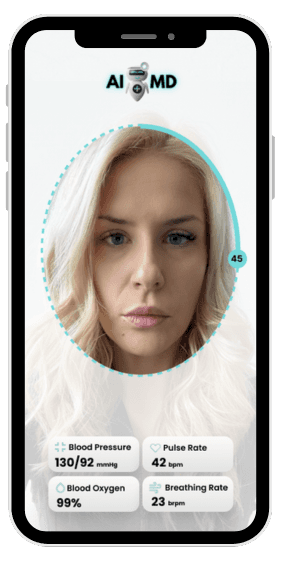
HRV calculators use data collected from your heart rate to determine your HRV. Wearable devices, such as fitness trackers and smartwatches, have made this process more accessible than ever. These devices typically utilize photoplethysmography (PPG) or electrocardiogram (ECG) technology to measure your heart rate and calculate HRV.
PPG sensors detect blood volume changes in your microvascular bed, providing an indirect measure of heart rate. On the other hand, ECG sensors directly measure the electrical activity of your heart, offering a more accurate representation of your heart's rhythm.
Once the data is collected, the HRV calculator analyzes the time intervals between heartbeats, often using methods such as the root mean square of successive differences (RMSSD) or the standard deviation of NN intervals (SDNN). These calculations yield a numerical value that represents your HRV, which you can then track over time to observe trends and changes.
Interpreting Your HRV Data
Understanding your HRV data is crucial for making informed health decisions. First, it’s essential to recognize that HRV values can vary significantly from person to person. Factors such as age, fitness level, and lifestyle can all influence your baseline HRV. Therefore, rather than focusing solely on the absolute value of your HRV, pay attention to trends over time.
A consistent increase in your HRV may indicate improved recovery and resilience, while a downward trend could signal stress or fatigue. Additionally, consider the context of your HRV readings. For example, if you’ve had a particularly intense workout or experienced a stressful event, it’s normal for your HRV to dip temporarily.
It’s also important to compare your HRV data against your personal baseline rather than general population averages. This personalized approach allows you to understand what is normal for you and helps you identify when something feels off.
The Role of Wearables in HRV Monitoring
Wearable technology has revolutionized the way you can monitor your health, including HRV. Devices like smartwatches and fitness trackers offer convenient, real-time insights into your heart health. Many of these devices come equipped with built-in HRV calculators, allowing you to track your data effortlessly.
Wearables not only provide HRV readings but also often include features such as sleep tracking, activity monitoring, and stress management tools. This comprehensive approach enables you to see how different aspects of your lifestyle impact your HRV. For instance, you might notice that poor sleep correlates with lower HRV, prompting you to prioritize better sleep hygiene.
Moreover, wearables can help you establish a routine for monitoring your HRV. Regularly checking your HRV can help you identify patterns and make adjustments to your lifestyle as needed. Some devices even offer guided breathing exercises or mindfulness practices to help you improve your HRV in real time.
Practical Tips for Improving Your HRV
If you’re looking to enhance your HRV, several lifestyle changes can contribute positively to your heart health.
Here are some practical tips to consider:
Prioritize Sleep: Aim for 7-9 hours of quality sleep each night. Establish a consistent sleep schedule and create a calming bedtime routine to improve sleep quality.
Engage in Regular Exercise: Incorporate both aerobic and strength training into your routine. Exercise has been shown to increase HRV, particularly when it includes moderate-intensity activities.
Practice Mindfulness and Stress Management: Techniques such as meditation, yoga, and deep breathing exercises can help activate the parasympathetic nervous system, promoting relaxation and improving HRV.
Stay Hydrated and Eat a Balanced Diet: Proper hydration and a diet rich in fruits, vegetables, whole grains, and healthy fats can support overall heart health and positively influence HRV.
Limit Alcohol and Caffeine: Both substances can negatively impact your heart rate and HRV. Moderation is key to maintaining a healthy balance.
Listen to Your Body: Pay attention to how you feel and adjust your activities accordingly. If you notice signs of fatigue or stress, consider taking a break or modifying your routine.
By incorporating these strategies into your daily life, you can work towards improving your HRV and, consequently, your overall health and well-being.
Understanding HRV and utilizing HRV calculators can empower you to take charge of your heart health. With the right tools and knowledge, you can make informed decisions that enhance your wellness journey. As you explore the world of HRV, remember that every heartbeat tells a story—one that can lead you to a healthier, more balanced life.

What is an HRV calculator and how does it work?
How can I interpret the results from an HRV calculator?
What factors can affect my HRV readings when using a calculator?
Is there a difference between HRV calculators and heart rate monitors?
Can I use an HRV calculator for tracking my fitness progress?
What are the benefits of regularly using an HRV calculator?



Get your personalized supplement match today — and join the future of data-driven wellness.