Understanding Pacemaker Monitors: What You Need to Know
7 mins read

What is a Pacemaker Monitor?
A pacemaker monitor is a device that works in conjunction with a pacemaker to track and transmit information about your heart's activity. Pacemakers are implanted devices that help regulate your heart rate, especially if you have arrhythmias or other heart conditions that cause your heart to beat too slowly or irregularly. The monitor collects data from the pacemaker, which can include heart rate, rhythm, and any potential issues that may arise.
The primary function of a pacemaker monitor is to ensure that your pacemaker is functioning correctly. It can detect any irregularities in heart rhythm or device performance, alerting your healthcare provider to any necessary adjustments or interventions. This monitoring can be done remotely, allowing for timely responses without the need for frequent office visits.
How Does a Pacemaker Work?
To understand the role of a pacemaker monitor, it's essential to grasp how a pacemaker itself operates. A pacemaker consists of a pulse generator and one or more leads that are implanted in the heart. The pulse generator produces electrical impulses that stimulate the heart to contract and maintain a normal rhythm.
When your heart's natural pacemaker (the sinoatrial node) fails to send out the appropriate signals, the pacemaker takes over. It continuously monitors your heart's electrical activity and delivers impulses as needed to keep your heart beating at a healthy rate. The pacemaker can adjust the frequency of these impulses based on your activity level, ensuring that your heart rate increases during exercise and decreases during rest.
The Importance of Monitoring
Regular monitoring of your pacemaker is vital for several reasons. First, it helps ensure that the device is functioning correctly. A malfunctioning pacemaker can lead to serious complications, including fainting, heart failure, or even sudden cardiac arrest. By using a pacemaker monitor, healthcare providers can detect issues early and make necessary adjustments to the device or your treatment plan.
Second, monitoring allows for the assessment of your heart's health over time. Data collected by the monitor can reveal trends in your heart rate and rhythm, helping your healthcare provider understand how well your heart is responding to treatment. This information can be particularly useful in managing other health conditions, such as hypertension or diabetes, which can impact heart health.
Finally, monitoring can enhance your overall quality of life. With remote monitoring capabilities, you may not need to visit your healthcare provider as frequently for check-ups. Instead, your provider can receive real-time data from your pacemaker monitor, allowing for timely interventions without disrupting your daily routine.
Types of Pacemaker Monitors
There are several types of pacemaker monitors, each tailored to different patient needs and clinical goals. AI‑MD can complement these options by providing continuous, device-free analysis of your heart and stress signals.
In-Hospital Monitors: Used during hospital stays, these monitors track your heart’s electrical activity in real time, giving healthcare professionals immediate feedback on any irregularities. AI‑MD can supplement this by analyzing your heart rate patterns and stress responses in between hospital visits, offering a broader view of your cardiovascular trends.
Remote Monitors: These allow at-home monitoring by wirelessly transmitting pacemaker data to your healthcare provider. AI‑MD can work alongside remote monitors by capturing physiological signals without additional devices, providing continuous insights into recovery, heart rate variability, and circulation.
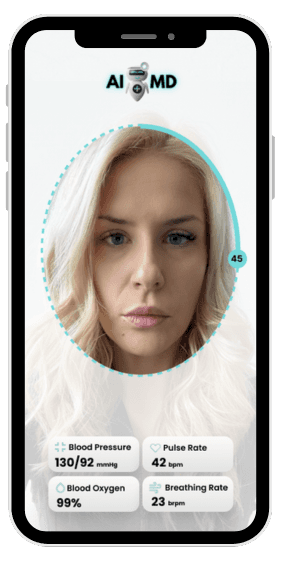
Smartphone Apps: Some modern pacemakers connect to apps that let you check heart rate and receive alerts about device performance. AI‑MD can enhance this experience by scanning your physiological signals via your smartphone and offering personalized feedback on heart rhythm, stress, and overall wellness.
Wearable Devices: Smartwatches and other wearables can track heart rate and rhythm alongside traditional pacemaker monitors. AI‑MD provides an alternative approach, delivering similar insights without needing a wearable, allowing you to monitor your heart, recovery, and stress patterns anytime, anywhere.
What to Expect During Monitoring
When you are monitored with a pacemaker monitor, the process generally involves a few key steps. If you have a remote monitor, you will typically place the device near your pacemaker at home. The monitor will automatically collect data and transmit it to your healthcare provider, often on a daily basis.
In some cases, you may need to visit your healthcare provider for in-person checks. During these visits, your provider will review the data collected by the monitor, assess your heart's performance, and make any necessary adjustments to your pacemaker settings. You may also have an opportunity to discuss any symptoms you may be experiencing, such as dizziness or palpitations.
It's important to remember that monitoring is a collaborative process. You should feel comfortable discussing any concerns or questions you have with your healthcare provider. They can help you understand what the data means and how it relates to your overall health.
Lifestyle Considerations for Pacemaker Patients
While pacemaker monitors play a crucial role in managing heart health, your lifestyle choices also significantly impact your overall well-being.
Here are some considerations to keep in mind:
Regular Check-ups: Even with remote monitoring, it’s essential to attend regular check-ups with your healthcare provider. These visits allow for comprehensive assessments and ensure that your pacemaker is functioning optimally.
Medication Adherence: If you are prescribed medications to manage your heart condition, take them as directed. Consistency in medication can help maintain a stable heart rhythm and reduce the risk of complications.
Physical Activity: Engage in regular physical activity, as advised by your healthcare provider. Exercise can improve cardiovascular health, but it's crucial to follow any specific guidelines related to your pacemaker.
Dietary Choices: A heart-healthy diet can support your overall health. Focus on consuming fruits, vegetables, whole grains, lean proteins, and healthy fats. Limiting salt, sugar, and saturated fats can also benefit your heart.
Avoiding Certain Activities: Some activities may not be recommended for individuals with pacemakers. For example, avoid heavy lifting or high-impact sports unless cleared by your healthcare provider.
Managing Stress: Chronic stress can affect heart health. Consider incorporating stress-reducing techniques such as mindfulness, yoga, or meditation into your routine.
Understanding how pacemaker monitors work and their significance in managing heart health can empower you to take control of your well-being. By staying informed and actively participating in your care, you can enhance your quality of life and maintain optimal heart function. Always consult with your healthcare provider for personalized advice and recommendations tailored to your specific situation.

How does a pacemaker monitor work?
What are the benefits of using a pacemaker monitor?
Can a pacemaker monitor detect irregular heartbeats?
What should I know about pacemaker monitor maintenance?
How often should a pacemaker monitor be checked?
What information does a pacemaker monitor provide to doctors?


Get your personalized supplement match today — and join the future of data-driven wellness.