Understanding the Benefits of Ring Oximeters for Health Monitoring
7 mins read

What is a Ring Oximeter?
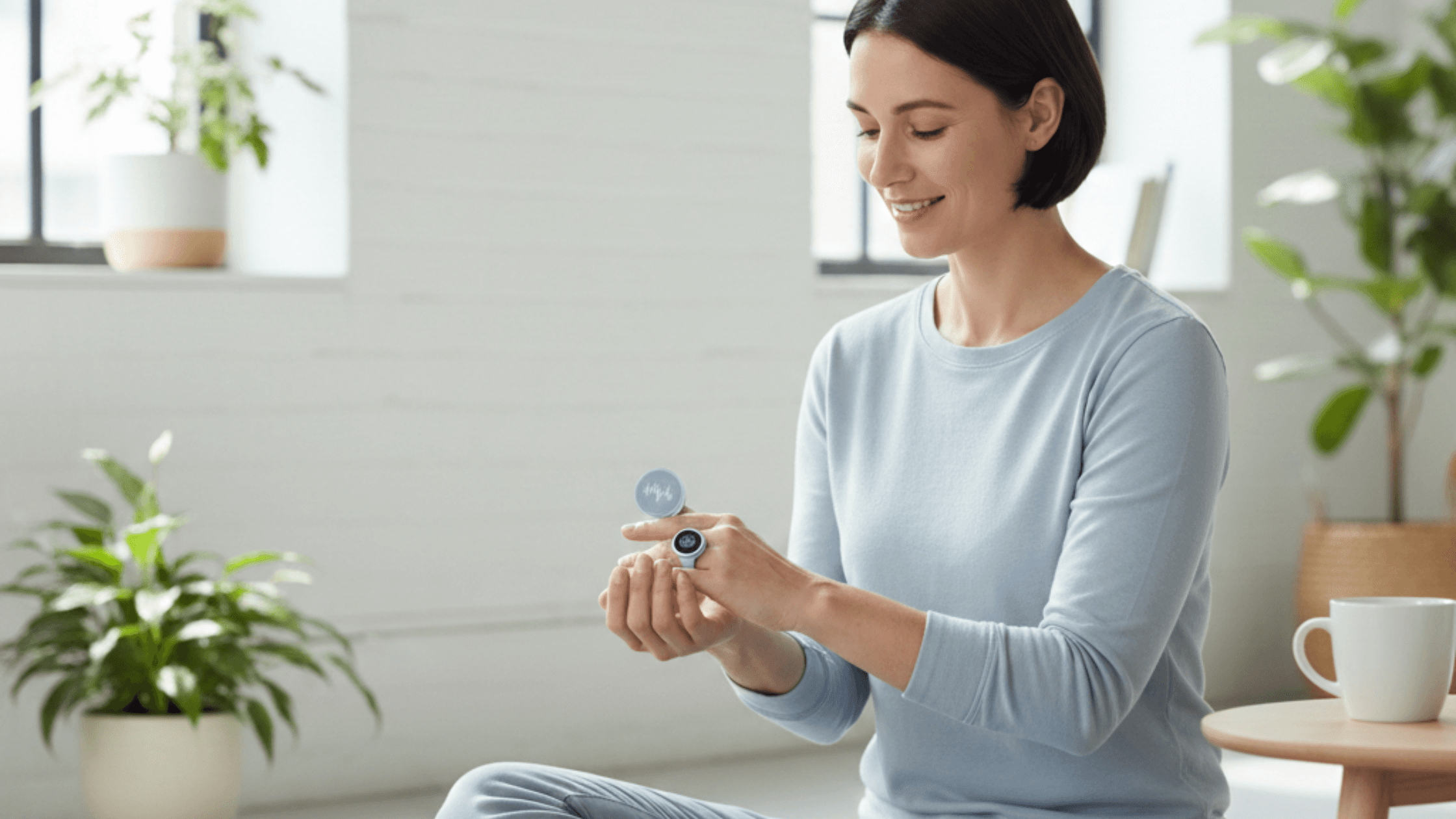
A ring oximeter is a small, finger-sized device designed to measure blood oxygen saturation levels (SpO2) and pulse rate. Unlike traditional pulse oximeters that clip onto a fingertip, the ring design offers a more convenient and less obtrusive way to monitor these vital signs. The device uses light sensors to assess the color of your blood, which changes depending on the amount of oxygen it carries. This non-invasive method allows for quick and accurate readings, making it a valuable tool for health monitoring.
How Ring Oximeters Work
Ring oximeters operate on the principle of photoplethysmography (PPG), a technique that measures blood volume changes in microvascular tissues. When you wear a ring oximeter, light from the device penetrates your skin and interacts with your blood. Oxygenated and deoxygenated blood absorb light differently, allowing the oximeter to calculate the percentage of oxygen in your blood.
The device typically displays two key metrics: SpO2 and pulse rate. A normal SpO2 level ranges from 95% to 100%. Levels below this range may indicate respiratory issues or other health concerns. The pulse rate, measured in beats per minute (BPM), provides insight into your cardiovascular health. By understanding how these measurements work, you can better appreciate the value of a ring oximeter in your health monitoring routine.
Benefits of Monitoring Blood Oxygen Levels
Monitoring your blood oxygen levels is crucial for several reasons. Oxygen is essential for cellular function and overall health. When your oxygen saturation drops, it can lead to symptoms such as fatigue, shortness of breath, and confusion. In severe cases, low oxygen levels can result in organ dysfunction or failure.
Using a ring oximeter allows you to keep track of your SpO2 levels throughout the day. This is particularly beneficial for individuals with respiratory conditions, such as asthma or chronic obstructive pulmonary disease (COPD), who may experience fluctuations in oxygen saturation. By regularly monitoring your levels, you can identify trends and take proactive measures to manage your health.
Additionally, athletes and fitness enthusiasts can benefit from tracking their oxygen levels during workouts. Understanding how your body responds to exercise can help you optimize your training and recovery. For instance, if your SpO2 levels drop significantly during physical activity, it may indicate that you need to adjust your intensity or improve your breathing techniques.
The Role of Ring Oximeters in Blood Pressure Monitoring
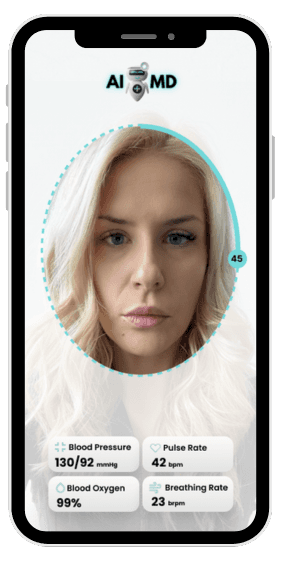
While ring oximeters primarily focus on oxygen saturation and pulse rate, they can also play a supportive role in blood pressure monitoring. Blood pressure is a critical indicator of cardiovascular health, and maintaining it within a healthy range is essential for preventing heart disease and stroke.
Although ring oximeters do not measure blood pressure directly, they provide valuable insights into your heart's performance. Your pulse rate, as measured by the oximeter, can indicate how hard your heart is working. A consistently elevated pulse rate may suggest that your heart is under stress, which could be linked to high blood pressure.
Furthermore, fluctuations in oxygen levels can impact blood pressure regulation. For example, during periods of low oxygen saturation, your body may respond by increasing heart rate and blood pressure to ensure adequate oxygen delivery to vital organs. By monitoring both your SpO2 and pulse rate, you can gain a more comprehensive understanding of your cardiovascular health and make informed decisions about lifestyle changes or medical consultations.
Convenience and Accessibility of Ring Oximeters
One of the most significant advantages of ring oximeters is their convenience and accessibility. Traditional pulse oximeters can be cumbersome, requiring you to sit still while the device measures your levels. In contrast, a ring oximeter allows for continuous monitoring without interrupting your daily activities. You can wear it while working, exercising, or even sleeping, providing a seamless way to track your health metrics.
Additionally, many ring oximeters are equipped with Bluetooth technology, enabling them to sync with your smartphone or other devices. This feature allows you to easily track your readings over time and share them with healthcare providers if needed. The ability to access and analyze your data can empower you to take charge of your health and make informed decisions.
Limitations and Considerations
While ring oximeters offer numerous benefits, it's essential to be aware of their limitations. These devices are not a substitute for professional medical advice or diagnosis. If you experience persistent symptoms such as shortness of breath or chest pain, it's crucial to consult a healthcare professional.
Moreover, factors such as skin tone, nail polish, and movement can affect the accuracy of readings. It's advisable to follow the manufacturer's instructions for optimal use and to cross-reference your readings with other health metrics, such as blood pressure and heart rate, for a more comprehensive view of your health.

How does a ring oximeter work?
What are the benefits of using a ring oximeter?
Can a ring oximeter measure heart rate?
What features should I look for in a ring oximeter?
How accurate are ring oximeters compared to traditional models?
What factors can affect the readings of a ring oximeter?

Get your personalized supplement match today — and join the future of data-driven wellness.