Understanding HRV: What’s a Good HRV for Women?
7 mins read

What is Heart Rate Variability?
Heart Rate Variability refers to the variation in time intervals between heartbeats. Unlike a steady heartbeat, HRV reflects the autonomic nervous system's ability to adapt to various stressors, both physical and emotional. The autonomic nervous system is divided into two branches: the sympathetic nervous system, which prepares the body for "fight or flight" responses, and the parasympathetic nervous system, which promotes "rest and digest" functions.
A higher HRV indicates a well-functioning autonomic nervous system, capable of efficiently switching between these two states. Conversely, a lower HRV can signal stress, fatigue, or potential health issues.
Why HRV Matters for Women
HRV is particularly important for women due to the unique physiological and hormonal fluctuations they experience throughout their lives. Factors such as the menstrual cycle, pregnancy, and menopause can significantly influence HRV. For instance, during the luteal phase of the menstrual cycle, many women experience a decrease in HRV due to hormonal changes. Understanding these fluctuations can help you interpret your HRV readings more accurately.
Moreover, research suggests that women generally have lower HRV compared to men, which could be attributed to hormonal differences and varying stress responses. By monitoring your HRV, you can gain insights into your body's response to stress and recovery, allowing you to make informed decisions about your health and wellness.
What’s a Good HRV for Women?
Determining what constitutes a "good" HRV for women is not straightforward, as individual factors such as age, fitness level, and overall health play significant roles. However, general benchmarks can help you understand where you stand.
For women, a typical HRV range can vary widely, but many studies suggest that an HRV of 40-70 milliseconds (ms) is considered average. Athletes or highly active individuals may experience higher HRV values, often exceeding 70 ms. Conversely, values below 40 ms may indicate stress, fatigue, or potential health concerns.
It’s crucial to remember that HRV is highly individual. What might be a good HRV for one woman may not be the same for another. Therefore, tracking your HRV over time and understanding your baseline is key to interpreting your readings effectively.
Factors Influencing HRV in Women
Several factors can influence HRV, making it essential to consider them when interpreting your readings.
Here are some of the most significant factors:
Age: As you age, HRV tends to decrease. Younger women typically have higher HRV than older women, reflecting better autonomic function.
Fitness Level: Regular physical activity is associated with higher HRV. Engaging in aerobic exercise, strength training, and even yoga can enhance your HRV by improving cardiovascular health and reducing stress.
Stress: Chronic stress can lead to lower HRV. Understanding your stressors and incorporating stress management techniques, such as mindfulness or meditation, can help improve your HRV.
Sleep Quality: Poor sleep can negatively impact HRV. Prioritizing good sleep hygiene can enhance your recovery and overall heart health.
Menstrual Cycle: Hormonal fluctuations throughout the menstrual cycle can affect HRV. Tracking your HRV in relation to your cycle can provide insights into how your body responds to these changes.
Nutrition: A balanced diet rich in antioxidants, omega-3 fatty acids, and vitamins can support heart health and potentially improve HRV. Incorporating omega-3 supplements is an easy way to help maintain these benefits.
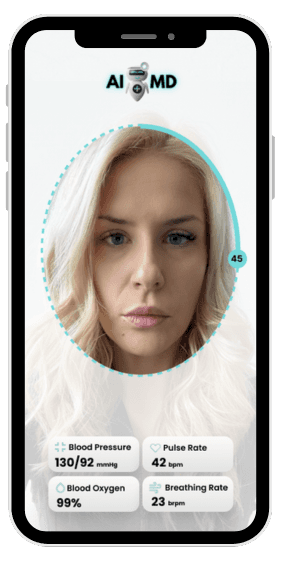
To complement this understanding, AI-MD offers a free, quick scan that provides personalized reflections on how your lifestyle and habits may be influencing your HRV. By analyzing subtle visual and vocal cues, AI-MD can highlight patterns in stress, recovery, and overall wellness, giving you actionable insights.
How to Measure HRV
Measuring HRV has become increasingly accessible thanks to wearable technology. Devices such as smartwatches, fitness trackers, and dedicated HRV monitors can provide real-time HRV data.
Here’s how to effectively measure your HRV:
Choose the Right Device: Look for wearables that offer accurate HRV measurements. Some popular options include the Oura Ring, WHOOP Strap, and various smartwatches from brands like Garmin and Apple.
Consistency is Key: For the most accurate readings, measure your HRV at the same time each day, preferably in the morning after waking up. This helps establish a baseline.
Use the Right Method: Many devices offer different methods for measuring HRV, such as short-term (5 minutes) or long-term (24 hours) assessments. Short-term measurements can provide quick insights, while long-term assessments can reveal trends over time.
Track Trends, Not Just Numbers: Focus on the trends in your HRV over time rather than individual readings. This will give you a clearer picture of your overall health and wellness.
In addition to wearable data, AI-MD can analyze your face and subtle biometric signals — like skin tone, pulse patterns, and breathing rhythm — to provide personalized reflections about your current HRV and recovery status. By combining wearable trends with AI-MD’s real-time insights, you get a more complete understanding of your body’s wellness and how daily habits affect your stress, recovery, and performance.
Improving Your HRV
If you find that your HRV is lower than desired, there are several evidence-backed strategies you can implement to improve it:
Regular Exercise: Engaging in regular physical activity, particularly aerobic exercises like running, cycling, or swimming, can enhance HRV by improving cardiovascular health.
Stress Management: Incorporate stress-reducing practices into your daily routine. Techniques such as deep breathing, meditation, and yoga can help activate the parasympathetic nervous system, improving HRV.
Prioritize Sleep: Aim for 7-9 hours of quality sleep each night. Establish a consistent sleep schedule and create a restful environment to enhance sleep quality.
Nutrition: Focus on a balanced diet rich in whole foods, including fruits, vegetables, lean proteins, and healthy fats. Omega-3 fatty acids, found in fish and flaxseeds, are particularly beneficial for heart health, and omega-3 supplements can help ensure you get enough of these essential nutrients.
Stay Hydrated: Dehydration can negatively impact HRV. Ensure you drink enough water throughout the day to support overall health.
Limit Alcohol and Caffeine: Both alcohol and excessive caffeine can lower HRV. Moderation is key to maintaining a healthy heart.
By understanding your HRV and implementing strategies to improve it, you can take proactive steps toward better heart health and overall wellness. Remember that monitoring HRV is a personal journey, and what works for you may differ from others. Embrace the process, and use your HRV data as a tool to enhance your health and well-being.

What factors influence HRV in women?
How can women improve their heart rate variability?
What is the average HRV range for women by age?
Why is heart rate variability important for women's health?
How does stress affect HRV in women?
What lifestyle changes can enhance HRV for women?



Get your personalized supplement match today — and join the future of data-driven wellness.