Lysine Rich Foods for Cold Sores: Top Foods to Combat Cold Sores
7 mins read
Published Jan 23, 2026

Understanding Cold Sores and Their Triggers
Cold sores typically manifest as small, fluid-filled blisters around the lips or mouth. The primary culprit is the herpes simplex virus type 1 (HSV-1), although HSV-2 can also cause outbreaks in the oral region. Once contracted, the virus remains dormant in the body and can reactivate due to various triggers, including stress, illness, hormonal changes, and even certain foods.
Diet can significantly influence the frequency and severity of outbreaks. For instance, foods high in arginine, an amino acid that promotes HSV replication, may exacerbate symptoms. Conversely, lysine is another amino acid that may inhibit the virus's ability to replicate, making it a potential ally in the fight against cold sores.
The Role of Lysine in Cold Sore Management
Lysine is an essential amino acid, meaning your body cannot produce it on its own, and you must obtain it through your diet. It plays several vital roles in the body, including protein synthesis, hormone production, and calcium absorption. Notably, lysine has potential antiviral properties, particularly against HSV.
Lysine may help reduce the frequency and severity of cold sore outbreaks. Individuals who supplement with lysine often experience fewer outbreaks compared to those who do not. This effect occurs because lysine competes with arginine for absorption, limiting arginine's availability, which is necessary for HSV replication. This competitive inhibition may help keep the virus in check.
Top Lysine Rich Foods to Include in Your Diet
Incorporating lysine-rich foods into your diet can be a proactive way to support cold sore prevention.
Dairy products like yogurt, cheese, and milk are among the richest sources of lysine. They also provide other nutrients that support immune health, and yogurt contains probiotics that promote gut health, which is closely linked to overall immunity.
Lean meats, including chicken, turkey, and beef, are excellent sources of lysine and provide protein, iron, and zinc, all of which are important for immune function. Adding lean meats to your meals can help maintain adequate lysine levels.
Fish and seafood, such as cod, sardines, and shrimp, are packed with lysine and omega-3 fatty acids, which have anti-inflammatory properties that may further support immune health.
For plant-based diets, legumes like beans, lentils, and chickpeas are rich in lysine, fiber, vitamins, and minerals. Including them in your meals helps ensure you get enough lysine while keeping your diet balanced.
Quinoa is a complete protein, meaning it contains all nine essential amino acids, including lysine. This versatile, gluten-free grain can be added to salads, side dishes, or main meals to boost lysine intake.
Some nuts and seeds, like pistachios and pumpkin seeds, offer a favorable lysine-to-arginine ratio. These make for healthy snacks that provide lysine along with fiber and beneficial fats.
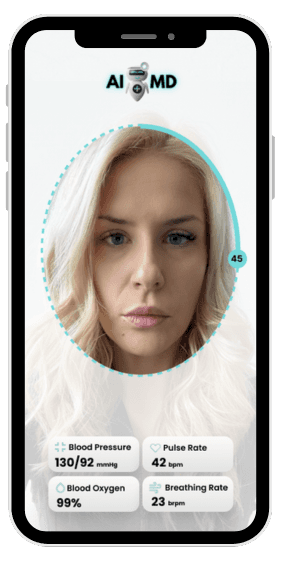
Using AI-MD, you can track how your body responds to these foods in real time, helping you see which choices are most effective for supporting your immune system and reducing cold sore outbreaks.
Lifestyle Tips for Managing Cold Sores
In addition to dietary changes, several lifestyle factors can influence the frequency and severity of cold sore outbreaks.
Here are some tips to consider:
Stress Management: Stress is a known trigger for cold sore outbreaks. Engaging in stress-reduction techniques such as meditation, yoga, or deep-breathing exercises can help keep your stress levels in check.
Adequate Sleep: Quality sleep is essential for a well-functioning immune system. Aim for 7-9 hours of restful sleep each night to support your body's natural defenses.
Hydration: Staying well-hydrated is crucial for overall health. Water helps maintain skin elasticity and can support the healing process during an outbreak.
Sun Protection: UV exposure can trigger cold sore outbreaks in some individuals. Protect your lips with sunscreen or lip balm containing SPF when spending time outdoors.
Avoiding Known Triggers: If you notice specific foods or situations that trigger your outbreaks, try to avoid them. Keeping a journal can help you identify patterns and manage your triggers effectively.
When to Consider Supplements
While getting lysine from food is ideal, some people may find it difficult to meet their needs through diet alone. In these cases, lysine supplements can be a helpful option. With AI-MD, you can monitor how your body responds to supplementation, giving personalized insights to see if lysine is working effectively for you.
Lysine supplementation may help reduce the frequency of cold sore outbreaks, but responses can vary from person to person. By using AI-MD, you can track your wellness signals in real time, helping you adjust your routine safely and optimize the benefits.
Final Thoughts on Managing Cold Sores with Diet
Incorporating lysine-rich foods into your diet can be a valuable strategy for managing cold sores. Focusing on dairy products, lean meats, fish, legumes, quinoa, and certain nuts and seeds can help boost lysine intake and may reduce the frequency and severity of outbreaks. Combined with lifestyle habits like stress management and sun protection, these changes support your immune system and overall wellness.
To take it a step further, AI-MD can provide personalized insights by tracking how your body responds to these foods and lifestyle adjustments, helping you see what truly works for preventing cold sores.

What are the benefits of lysine for preventing cold sores?
How does lysine help in managing cold sores?
Which fruits are high in lysine for cold sore relief?
Can a lysine-rich diet reduce the frequency of cold sores?
What are some vegetarian sources of lysine for cold sore prevention?
How can I incorporate more lysine-rich foods into my diet?



Get your personalized supplement match today — and join the future of data-driven wellness.
