Vitamin E for Cold Sores: The Role of Vitamin E in Managing Cold Sores
7 mins read
Published Jan 23, 2026

Understanding Cold Sores
Cold sores are primarily caused by the herpes simplex virus type 1 (HSV-1), although HSV-2 can also be responsible. Once you are infected with the virus, it remains dormant in your body and can reactivate due to certain triggers. Symptoms typically include tingling or itching before the blisters appear, followed by painful sores that can last for several days to weeks.
The immune system plays a crucial role in controlling the virus and preventing outbreaks. When your immune system is compromised, such as during periods of stress or illness, the likelihood of an outbreak increases. This is where the importance of maintaining a strong immune system comes into play, and certain nutrients, like vitamin E, may offer support.
The Role of Vitamin E in Immune Health
Vitamin E is a fat-soluble antioxidant that plays a vital role in maintaining immune function. It helps protect cells from oxidative stress, which can damage cell membranes and impair immune responses. By neutralizing free radicals, vitamin E supports the overall health of your immune system, making it more effective at combating infections, including those caused by viruses like HSV.
Vitamin E may also enhance the proliferation of immune cells, such as T-cells and B-cells, which are essential for mounting an effective immune response. Additionally, its anti-inflammatory properties can help reduce inflammation associated with viral infections, potentially leading to a quicker resolution of symptoms.
You can support your immune system with vitamin E supplements, which provide antioxidant protection and help maintain cellular health.
Vitamin E and Skin Health
In addition to supporting immune function, vitamin E is well-known for its role in skin health. It is commonly used in topical formulations for its moisturizing and healing properties. When applied to cold sores, vitamin E supplements may help soothe irritation and support skin repair, making the affected area more comfortable.
Healthy skin acts as a protective barrier, preventing infections and maintaining overall wellness. Vitamin E helps strengthen this barrier by enhancing hydration and elasticity, which can be especially beneficial during a cold sore outbreak, when the surrounding skin is often dry, cracked, and more vulnerable to additional irritation.
How to Use Vitamin E for Cold Sores
If you are considering using vitamin E for cold sores, there are several ways to incorporate it into your routine:
Topical Application: Apply vitamin E oil or creams containing vitamin E directly to the affected area with a clean cotton swab. This can help soothe irritation, improve hydration, and support healing of the skin around the cold sore.
Dietary Sources: Include vitamin E-rich foods in your diet to support overall immune function. Nuts, seeds, spinach, and avocados are excellent sources, and a balanced diet may help reduce the frequency and severity of cold sore outbreaks.
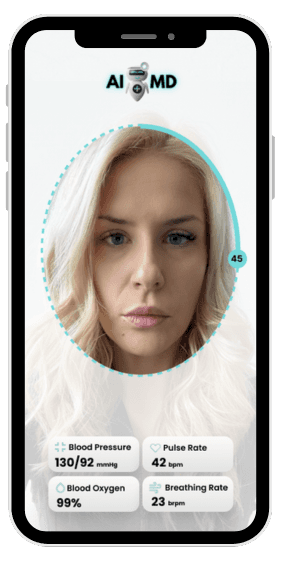
Supplements: If dietary intake is insufficient, consider supplements such as vitamin E supplements to help meet your needs. AI‑MD can provide insights on your body’s wellness signals, helping you observe how you respond to supplementation and support more informed choices based on your personal data.
Potential Benefits of Vitamin E for Cold Sores
While more research is needed to establish the efficacy of vitamin E specifically for cold sores, its antioxidant and anti-inflammatory properties suggest several potential benefits:
Reduced Severity of Symptoms: By supporting skin healing and reducing inflammation, vitamin E may help ease the discomfort associated with cold sores.
Faster Healing Time: Vitamin E may help promote the skin’s natural repair process, which could be beneficial during a cold sore outbreak.
Prevention of Secondary Infections: Its moisturizing properties can help maintain the skin barrier, potentially lowering the risk of secondary bacterial infections when blisters form.
Precautions and Considerations
While vitamin E is generally considered safe for topical use and dietary consumption, there are some precautions to keep in mind. If you have sensitive skin or a history of allergic reactions, it's advisable to perform a patch test before applying vitamin E oil directly to your skin. Additionally, excessive oral intake of vitamin E supplements can lead to adverse effects, including an increased risk of bleeding, especially if you are on blood-thinning medications.
It's also important to remember that while vitamin E can support your immune system and skin health, it should not be viewed as a standalone treatment for cold sores. If you experience frequent outbreaks or severe symptoms, consult with a healthcare professional for a comprehensive treatment plan.

How does vitamin E help with cold sores?
Can vitamin E oil be applied directly to cold sores?
What are the benefits of using vitamin E for cold sore healing?
Is vitamin E effective in preventing cold sores?
Are there any side effects of using vitamin E for cold sores?
How often should vitamin E be applied to cold sores?



Get your personalized supplement match today — and join the future of data-driven wellness.
