Zinc Picolinate vs Zinc Gluconate: Which is Better for Immune Health?
7 mins read
Published Nov 25, 2025
Understanding Zinc's Role in Immune Function
Zinc is vital for the development and function of immune cells, including neutrophils, natural killer cells, and T-lymphocytes. It acts as a cofactor for over 300 enzymes involved in various biochemical reactions. These enzymes are crucial for DNA synthesis, protein synthesis, and cell division, all of which are fundamental processes for a robust immune response.
Deficiency in zinc can lead to impaired immune function, making you more susceptible to infections and illnesses. Therefore, ensuring adequate zinc intake through diet or supplementation is essential for maintaining optimal immune health.
Zinc Picolinate: Absorption and Benefits
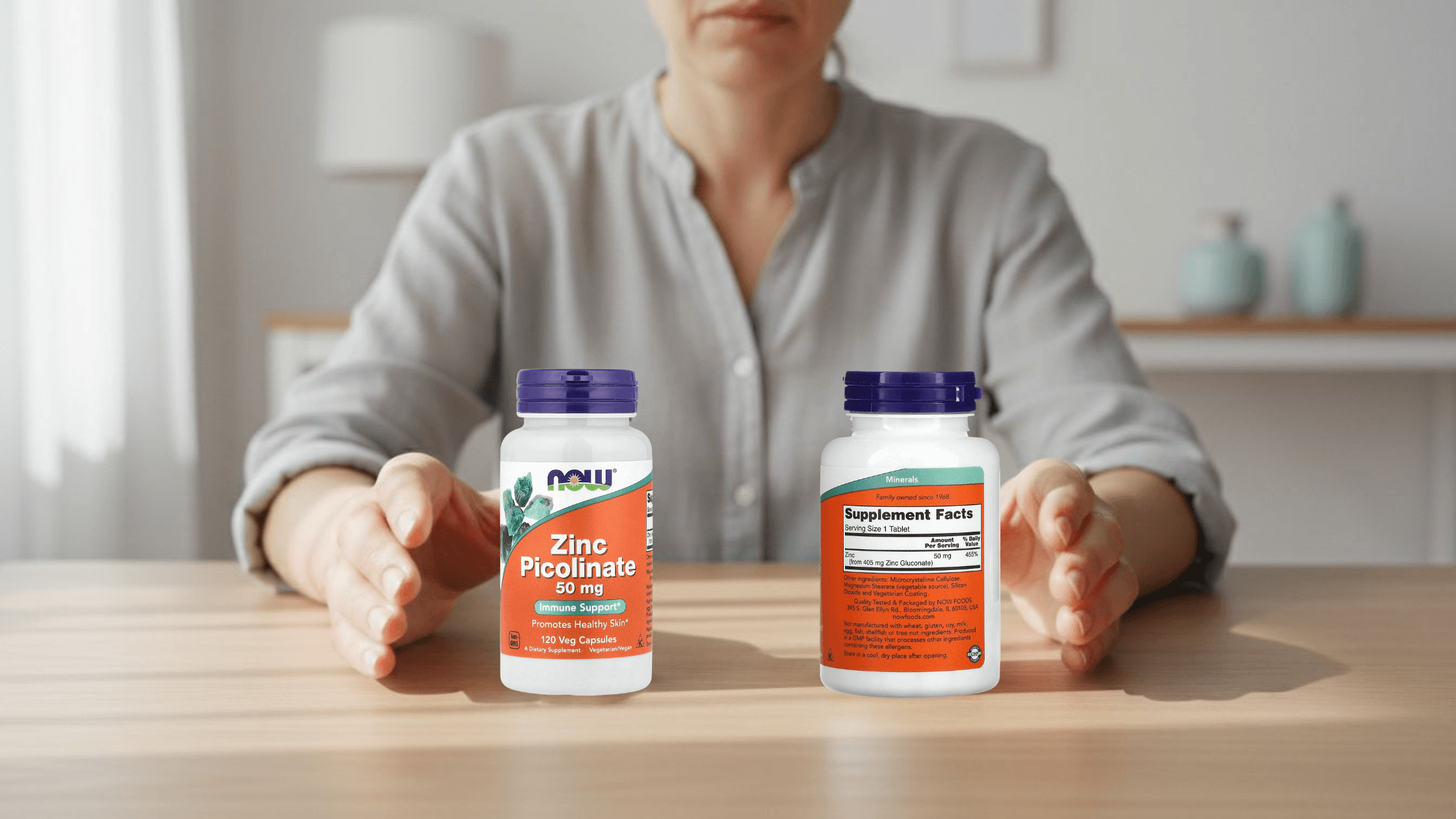
Zinc picolinate is a chelated form of zinc, meaning it is bound to picolinic acid. This binding enhances the absorption of zinc in the gastrointestinal tract, making it more bioavailable than some other forms. Zinc picolinate may be better absorbed than zinc oxide or zinc sulfate, potentially leading to more effective supplementation.
The benefits of zinc picolinate extend beyond mere absorption. It may help modulate the immune response, enhancing the activity of immune cells. This can be particularly beneficial during cold and flu season when your body needs to mount a strong defense against pathogens. Additionally, zinc picolinate has been associated with reducing inflammation, which can further support immune health.
Zinc Gluconate: A Commonly Used Alternative
Zinc gluconate is another widely used form of zinc supplement. It is created by combining zinc with gluconic acid, which is derived from the fermentation of glucose. While zinc gluconate is also effective in providing zinc to the body, its absorption rate is generally considered to be lower than that of zinc picolinate.
Despite this, zinc gluconate may offer benefits for immune health. It can help reduce the duration and severity of the common cold when taken at the onset of symptoms. This form of zinc is often found in lozenges and cold remedies, making it a popular choice for those looking to support their immune system during illness.
Comparing Bioavailability: Zinc Picolinate vs Zinc Gluconate
When it comes to supplementation, bioavailability is a critical factor to consider. Bioavailability refers to the proportion of a nutrient that is absorbed and utilized by the body. As mentioned earlier, zinc picolinate is often regarded as having superior bioavailability compared to zinc gluconate.
Zinc picolinate is absorbed more efficiently than zinc gluconate. This means that if you choose zinc picolinate, you may require a lower dosage to achieve the same immune-supporting effects as a higher dosage of zinc gluconate. This can be particularly beneficial for individuals who may experience gastrointestinal discomfort with higher doses of zinc.
Dosage Recommendations for Immune Support
When considering zinc supplementation for immune health, dosage is an important aspect to keep in mind. The recommended dietary allowance (RDA) for zinc varies by age and gender, but for adults, it generally ranges from 8 to 11 mg per day. For supplementation, doses can vary based on the form of zinc. If you opt for zinc picolinate, a common dosage is between 15 to 30 mg per day, while zinc gluconate is often taken in doses of 50 mg or more, particularly in lozenge form. It's essential to consult with a healthcare professional before starting any supplementation regimen, especially if you are considering higher doses.
Potential Side Effects and Considerations
Both zinc picolinate and zinc gluconate are generally considered safe when taken at recommended dosages. However, excessive zinc intake can cause side effects such as nausea, vomiting, diarrhea, and abdominal cramps. Long-term high doses may also interfere with the absorption of other essential minerals, like copper.
If you have underlying health conditions or are taking medications, AI‑MD can help you monitor your body’s response and provide guidance on the most suitable form and dosage for your individual needs.

What are the main differences between zinc picolinate and zinc gluconate?
How does zinc picolinate compare to zinc gluconate in terms of absorption?
Are there specific benefits of using zinc picolinate over zinc gluconate?
What forms of zinc are more effective for supplementation: picolinate or gluconate?
Can zinc picolinate and zinc gluconate be taken together?
What are the common uses for zinc picolinate compared to zinc gluconate?



Get your personalized supplement match today — and join the future of data-driven wellness.
