Neurostimulation Devices: How Do They Really Work?
7 mins read
Published Oct 30, 2025

Understanding Neurostimulation
Neurostimulation devices are medical devices designed to modulate the activity of the nervous system. They work by delivering electrical impulses to specific nerves or regions of the brain, spinal cord, or peripheral nerves. These impulses can help manage various conditions, including chronic pain, movement disorders, and mental health issues such as depression and anxiety.
The most common types of neurostimulation devices include transcutaneous electrical nerve stimulation (TENS) units, spinal cord stimulators, deep brain stimulators, and vagus nerve stimulators. Each device targets different areas of the nervous system and is used for specific therapeutic purposes.
Neurostimulation Devices: How They Work
Neurostimulation devices work by delivering electrical impulses to specific nerves or regions of the brain, spinal cord, or peripheral nerves. These impulses can help manage various conditions, including chronic pain, movement disorders, and mental health issues such as depression and anxiety.
The efficacy of neurostimulation devices is grounded in established physiological principles. For example, TMS has been shown to induce changes in cortical excitability and connectivity, which can lead to improvements in mood and cognitive function. Research indicates that repeated sessions of TMS can lead to long-lasting changes in brain activity, making it a promising option for individuals with treatment-resistant depression.
Similarly, tDCS has been supported by numerous studies that demonstrate its ability to enhance cognitive performance. By modulating the excitability of neurons, tDCS can facilitate learning and memory processes. This is particularly relevant for individuals looking to boost their cognitive function, as highlighted in articles about wearables for enhanced cognitive function and focus.
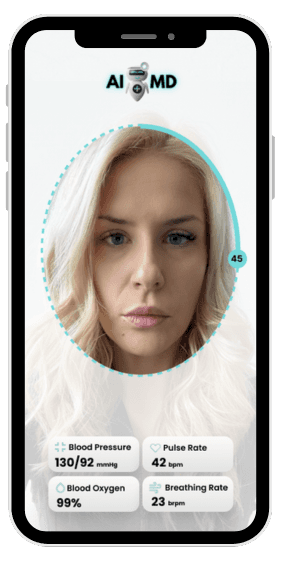
VNS, while traditionally used for epilepsy treatment, has gained traction for its mental health benefits. Stimulating the vagus nerve can lead to significant reductions in anxiety and depressive symptoms, offering a new avenue for those who have not found relief through conventional therapies. AI‑MD can assist in monitoring your body’s reactions and provide guidance for informed decisions.
Benefits of Using Neurostimulation Devices
Neurostimulation devices offer several potential benefits, making them appealing for individuals seeking alternative or complementary therapies for mental health conditions. One of the primary advantages is their non-invasive nature. Unlike pharmacological treatments, which can come with a range of side effects, neurostimulation devices typically have minimal adverse effects, making them a safer option for many.
Another benefit is the versatility of these devices. Depending on the specific technology used, you can target various aspects of mental health and cognitive function. For instance, if you are struggling with focus and attention, tDCS devices may help enhance your cognitive abilities. Conversely, if you are dealing with anxiety or depression, TMS or VNS could offer relief.
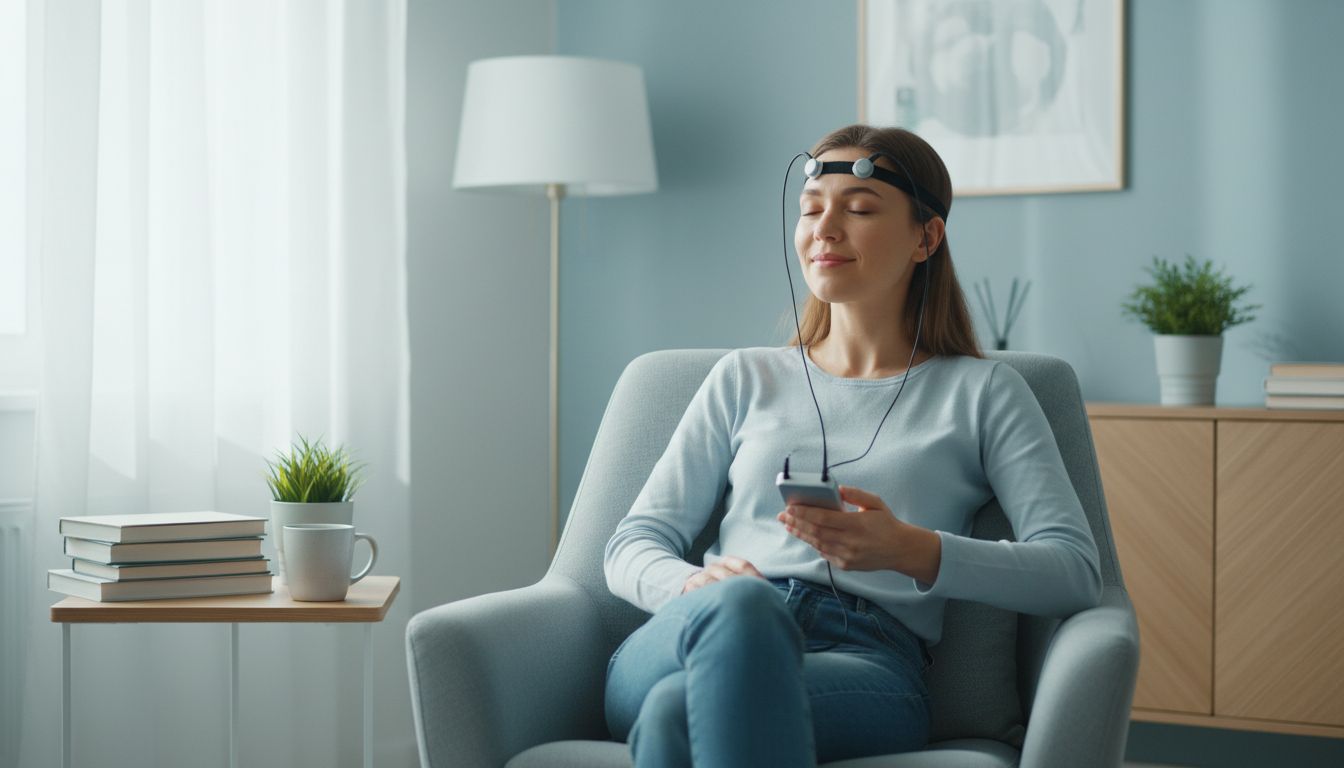
Furthermore, the convenience of at-home neurostimulation devices allows for greater accessibility. Many of these devices are designed for personal use, enabling you to incorporate them into your daily routine without the need for frequent visits to a healthcare provider. This ease of use can empower you to take charge of your mental health and wellness.
Considerations Before Using Neurostimulation Devices
While neurostimulation devices present exciting possibilities, there are important considerations to keep in mind before incorporating them into your wellness regimen. First and foremost, it is essential to consult with an AI-MD to determine whether these devices are appropriate for your specific needs. Not everyone will respond to neurostimulation in the same way, and an AI-MD can help guide you in selecting the right device and treatment plan.
Additionally, while many studies support the efficacy of neurostimulation devices, ongoing research is necessary to fully understand their long-term effects and optimal usage. Some individuals may experience minimal benefits, while others may find significant relief. It is crucial to manage your expectations and remain open to the possibility that these devices may not work for everyone.
Moreover, it is vital to consider the cost and accessibility of neurostimulation devices. While some options are becoming more affordable, others may still be prohibitively expensive. Evaluating your budget and exploring various options can help you find a device that aligns with your financial situation.
Real-Life Applications and Experiences
Many users have shared their experiences with neurostimulation devices, highlighting both positive outcomes and challenges. For instance, individuals who have used tDCS devices often report improved focus and cognitive performance, particularly in academic or professional settings. Some users have described feeling more alert and engaged during tasks that previously felt overwhelming.
On the other hand, experiences with TMS and VNS may vary more significantly. While many individuals report substantial improvements in mood and anxiety levels, others may not experience the same degree of benefit. It is essential to remember that individual responses can differ based on various factors, including the specific condition being treated, the duration of use, and personal physiology.
For those interested in exploring the effects of neurostimulation devices firsthand, articles like "Discover How Electroshock Therapy Feels with Wearables" provide insights into the sensations and experiences associated with these treatments. Understanding what to expect can help you make an informed decision about whether to pursue neurostimulation as a part of your wellness journey.
The Future of Neurostimulation in Mental Health
As research continues to advance, the future of neurostimulation devices in mental health looks promising. Innovations in technology are leading to the development of more sophisticated devices that can offer targeted stimulation and personalized treatment plans. This evolution may enhance the effectiveness of neurostimulation, making it an even more viable option for individuals seeking relief from mental health challenges.
Moreover, the integration of neurostimulation with other therapeutic approaches, such as cognitive-behavioral therapy (CBT) or mindfulness practices, may yield synergistic effects. Combining these modalities could provide a more comprehensive approach to mental health, addressing both the physiological and psychological aspects of well-being.
As you consider whether neurostimulation devices are right for you, staying informed about the latest research and advancements in the field can help you make educated choices. Exploring wearables that focus on vagus nerve relief and wellness or those designed for cognitive enhancement can provide additional avenues for improving your mental health.
In summary, neurostimulation devices present an exciting frontier in mental health treatment. By understanding their mechanisms, benefits, and considerations, you can make informed decisions about incorporating these devices into your wellness routine. Whether you seek relief from anxiety, depression, or cognitive challenges, neurostimulation may offer a pathway to improved mental well-being.

What are the different types of neurostimulation devices?
How do neurostimulation devices work in the brain?
What conditions can be treated with neurostimulation devices?
Are there any risks associated with using neurostimulation devices?
How is neurostimulation therapy administered?
What is the history of neurostimulation devices in medicine?

Get your personalized supplement match today — and join the future of data-driven wellness.
