Multivitamins to Take on Ozempic: What Works Best
7 mins read

Understanding Ozempic and Its Effects
Ozempic (semaglutide) is a glucagon-like peptide-1 (GLP-1) receptor agonist. It works by mimicking the effects of the GLP-1 hormone, which plays a crucial role in regulating blood sugar levels and appetite. By enhancing insulin secretion and reducing glucagon release, Ozempic helps lower blood glucose levels. Additionally, it slows gastric emptying, which can lead to reduced appetite and weight loss.
While Ozempic is effective for managing diabetes and aiding in weight loss, it can also affect your nutritional status. Some users report gastrointestinal side effects such as nausea, vomiting, and diarrhea, which can impact nutrient absorption. This is where the consideration of multivitamins becomes critical.
Nutritional Gaps While on Ozempic
When taking Ozempic, you may experience changes in your dietary habits, potentially leading to nutritional deficiencies.
Here are some common nutrients that may be lacking:
Vitamin B12: Essential for nerve function and the production of red blood cells, vitamin B12 absorption can be impaired in individuals with gastrointestinal issues. Long-term use of Ozempic may also contribute to lower B12 levels. You can support your B12 levels with vitamin B12 supplements, which promote energy metabolism, nervous system and brain health, and cognitive function.
Vitamin D: This vitamin supports bone health and immune function. If your dietary intake of vitamin D is insufficient, you might be at risk for deficiency, especially if you have limited sun exposure. Consider vitamin D supplements to aid in bone and teeth development and to support calcium and phosphorus absorption.
Magnesium: Important for muscle and nerve function, magnesium is often overlooked in diets. Ozempic can affect your appetite, potentially leading to lower magnesium intake. Magnesium supplements support relaxation, restful sleep, immune and nervous system function, muscle health, and energy metabolism.
Zinc: This mineral plays a vital role in immune function, wound healing, and overall cellular health. Similar to magnesium, zinc levels can drop if your diet lacks variety. Support your zinc intake with zinc supplements, which help maintain healthy skin, immune function, red blood cells, and overall metabolism.
Iron: Essential for oxygen transport in the blood, iron deficiency can lead to anemia. If your appetite is reduced, you may not consume enough iron-rich foods. While a specific iron supplement can be considered, many multivitamins—including those with B12 and zinc—can help support healthy iron levels indirectly.
Taking a combination of these supplements can help fill nutritional gaps caused by changes in appetite while on Ozempic, ensuring you maintain energy, immune function, and overall wellness.
Key Ingredients to Look for in Multivitamins
When searching for the best multivitamin while on Ozempic, consider the following key ingredients that can help mitigate potential deficiencies:
B Vitamins: A comprehensive B-complex vitamin is crucial. Look for B12, B6, and folate, as these vitamins support energy metabolism and red blood cell production.
Vitamin D3: Opt for vitamin D3 (cholecalciferol) rather than vitamin D2, as it is more effective in raising blood levels of vitamin D.
Magnesium Citrate or Glycinate: These forms of magnesium are more bioavailable and can help support muscle and nerve function.
Zinc Picolinate or Citrate: These forms are better absorbed and can help bolster your immune system.
Iron Bisglycinate: If you require iron supplementation, this form is gentle on the stomach and less likely to cause gastrointestinal discomfort.
Antioxidants: Vitamins C and E, along with selenium, can help combat oxidative stress, which can be exacerbated by metabolic changes.
Recommended Supplements for Ozempic Users
While individual nutritional needs may vary, here are some supplements that are particularly beneficial for individuals taking Ozempic:
Vitamin B12 Supplements: Supports energy metabolism, nervous system and brain health, and cognitive function. GMO-free, gluten-free, vegan, and lab-tested.
Vitamin D Supplements: Helps maintain healthy bones and teeth, supports calcium and phosphorus absorption, and promotes immune function. Vegetarian, vegan, and pharmaceutical-grade.
Magnesium Supplements: Supports relaxation, restful sleep, immune and nervous system function, muscle health, and energy metabolism. GMO-free, vegan, and lab-tested.
Zinc Supplements: Supports healthy skin, immune function, red blood cells, and overall metabolism. Provides antioxidant protection and supports connective tissue production.
Timing and Dosage of Supplements for Ozempic Users
To maximize the benefits of your supplements while on Ozempic, consider the following tips regarding timing and dosage:
Take with Food: Consuming your supplements with a meal can enhance absorption and reduce the risk of gastrointestinal discomfort. This is especially important if you experience nausea from Ozempic. For example, take your Vitamin B12 Supplements, Vitamin D Supplements, Magnesium Supplements, and Zinc Supplements with meals for optimal absorption.
Follow Recommended Dosage: Adhere to the recommended dosage on the label. Taking more than the suggested amount can lead to toxicity, particularly with fat-soluble vitamins like vitamin D.
Consistency is Key: Take your supplements at the same time each day to help build a routine and ensure a consistent supply of nutrients.
Monitor Your Body's Response: Pay attention to how your body responds to each supplement. If you experience any adverse effects, consult your healthcare provider to adjust your regimen.
Using AI‑MD for Personalized Supplement Guidance
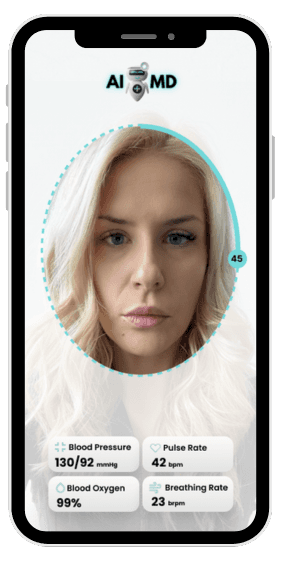
Before starting any new supplement, it’s helpful to understand how your body is responding. AI‑MD can provide real-time insights into your wellness signals, helping you assess your nutritional needs in the context of your overall health, diet, and any medications like Ozempic.
AI‑MD can also help monitor how your body is absorbing nutrients and identify subtle changes that might indicate gaps. This allows for a more personalized approach to supplementation, ensuring that your supplement plan is effectively supporting your body. This is especially important if Ozempic affects digestion or nutrient absorption.
In summary, while Ozempic can be an effective tool for managing diabetes and weight, maintaining your nutritional health is essential. Using AI‑MD to guide your supplement choices can help bridge nutritional gaps, support overall well-being, and ensure that your plan is aligned with your body’s unique responses throughout your wellness journey.

What nutrients should I look for in a multivitamin while taking Ozempic?
How does Ozempic affect vitamin absorption in the body?
Are there specific vitamins to avoid when using Ozempic?
Can taking a multivitamin improve my health while on Ozempic?
What are the potential benefits of multivitamins for those on Ozempic?
How often should I take a multivitamin if I'm on Ozempic?



Get your personalized supplement match today — and join the future of data-driven wellness.