Understanding Thyroid Support Supplements: Are They Worth It?
7 mins read

The Role of the Thyroid Gland
Your thyroid gland, a butterfly-shaped organ located at the base of your neck, plays a crucial role in regulating metabolism, energy levels, and overall hormonal balance. It produces hormones such as thyroxine (T4) and triiodothyronine (T3), which influence nearly every cell in your body. These hormones help control how your body uses energy, impacting weight management, temperature regulation, and even mood.
When the thyroid is functioning optimally, you feel energetic and balanced. However, issues such as hypothyroidism (underactive thyroid) or hyperthyroidism (overactive thyroid) can lead to a range of symptoms, including fatigue, weight changes, and mood disturbances. Understanding the function of your thyroid is vital in assessing whether thyroid support supplements may be beneficial for you.
Common Thyroid Disorders
Hypothyroidism is one of the most prevalent thyroid disorders, affecting millions of people worldwide. It occurs when the thyroid does not produce enough hormones, leading to symptoms such as fatigue, weight gain, depression, and cold intolerance. Conversely, hyperthyroidism results from excessive hormone production, causing symptoms like weight loss, anxiety, and heat intolerance.
Autoimmune conditions, such as Hashimoto's thyroiditis and Graves' disease, can also affect thyroid function. In Hashimoto's, the immune system attacks the thyroid, leading to hypothyroidism, while Graves' disease causes hyperthyroidism due to an overactive immune response. Recognizing these conditions is crucial, as they may influence your decision to use thyroid support supplements.
Types of Thyroid Support Supplements
Thyroid support supplements are available in different forms, each targeting thyroid health in unique ways.
Some common options include:
Iodine: Essential for thyroid hormone production, iodine helps prevent hypothyroidism. However, both deficiency and excess can disrupt thyroid function, so balance is key.
Selenium: This trace mineral is crucial for converting T4 into the active T3 hormone. Selenium supplementation may benefit those with autoimmune thyroid conditions, such as Hashimoto’s. Selenium supplements can provide this essential nutrient.
Zinc: Supports hormone production and thyroid metabolism. Zinc deficiency has been linked to thyroid dysfunction. Zinc supplements can help maintain adequate levels.
L-Tyrosine: An amino acid precursor to thyroid hormones, L-tyrosine may support hormone production, particularly under stress.
Ashwagandha: This adaptogenic herb may help improve thyroid hormone levels and reduce stress-related impacts on thyroid function. Ashwagandha supplements are commonly used for this purpose.
Vitamin D: Adequate vitamin D levels support overall thyroid health and may be particularly important for autoimmune thyroid conditions. Vitamin D3 + K2 supplements are a convenient way to maintain optimal levels.
These supplements can be combined with a nutrient-rich diet and lifestyle habits to help support healthy thyroid function naturally.
Insights on Thyroid Support Supplements
While many thyroid support supplements are marketed to support thyroid function, it’s important to approach these claims thoughtfully. Certain nutrients, such as selenium and iodine, are known to contribute to normal thyroid activity, particularly when dietary intake is low.
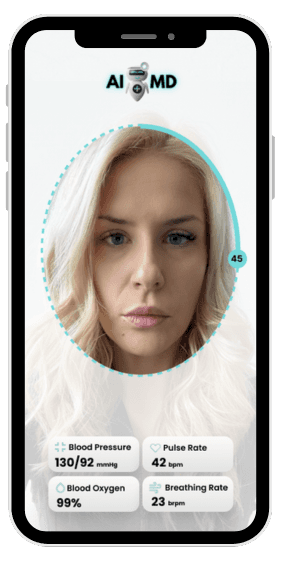
AI-MD can help you observe patterns in your body’s physiological signals—like energy levels, pulse, and circulation—over time to see how your wellness routine, including supplementation, may be influencing overall thyroid-related function.
Some supplements, like selenium, may help maintain normal immune interactions and support thyroid health in certain situations. Iodine can also play a role in supporting hormone production when dietary intake is insufficient.
Other supplements, such as L-tyrosine, may have limited or variable effects on thyroid wellness. Responses can differ between individuals.
AI-MD provides reflective, non-diagnostic insights based on real-time biometric signals. While it cannot measure hormone levels or diagnose thyroid conditions, it can help you track trends in energy, stress response, and recovery patterns, offering a useful perspective on how your body is responding to supplements and lifestyle choices.
Potential Risks and Considerations
While thyroid support supplements can provide benefits, it’s important to be aware of potential risks. Over-supplementation of nutrients like iodine may affect thyroid function, and some ingredients can interact with medications or other supplements.
When using thyroid support supplements, consider these wellness-focused steps:
Track Your Body’s Response: Observe changes in energy, alertness, and recovery patterns. AI-MD can help monitor subtle physiological signals such as pulse, circulation, and stress response, providing reflections on how your body responds over time.
Monitor Symptoms and Trends: Keep a record of how you feel during supplementation. AI-MD can highlight trends in fatigue, circulation, and other wellness indicators, helping you see patterns linked to your supplement routine.
Maintain a Balanced Diet: Supplements are intended to support your diet, not replace it. Eating a variety of nutrient-rich foods—fruits, vegetables, whole grains, and lean proteins—supports overall wellness. AI-MD can track wellness trends in conjunction with lifestyle inputs like diet, sleep, and activity.
Making an Informed Decision
Ultimately, whether or not to incorporate thyroid support supplements into your routine is a personal decision that should be made based on your individual health needs and circumstances. If you suspect you have a thyroid disorder or are experiencing symptoms, it’s crucial to seek medical advice for proper diagnosis and treatment.
If you are considering thyroid support supplements, start by educating yourself about the specific nutrients your body may need. Research the evidence supporting each supplement and weigh the potential benefits against the risks. Remember that while supplements can be beneficial, they are most effective when used as part of a comprehensive approach to health that includes a balanced diet, regular exercise, and stress management.
In summary, thyroid support supplements can be a valuable addition to your health regimen, particularly if you have specific deficiencies or thyroid conditions. However, it’s essential to approach them with caution, armed with knowledge and professional guidance. By understanding your thyroid health and making informed choices, you can take proactive steps towards achieving optimal well-being.

What ingredients are commonly found in thyroid support supplements?
How do thyroid support supplements affect energy levels?
Can thyroid support supplements help with weight management?
What are the potential side effects of thyroid support supplements?
How should thyroid support supplements be taken for best results?
Are there natural alternatives to thyroid support supplements?



Get your personalized supplement match today — and join the future of data-driven wellness.