Choosing the Best Organic Natural Prenatal Vitamins for Your Pregnancy
7 mins read

Understanding Prenatal Vitamins
Prenatal vitamins are dietary supplements designed to meet the increased nutritional needs of pregnant individuals. They typically contain higher levels of essential vitamins and minerals compared to standard multivitamins. The key nutrients found in prenatal vitamins include folic acid, iron, calcium, and DHA, among others. Folic acid, for instance, is crucial for preventing neural tube defects in the developing fetus. It is recommended that individuals trying to conceive or who are already pregnant take at least 400 micrograms of folic acid daily. Iron supports the increased blood volume and helps prevent anemia, while calcium supplements are vital for the development of the baby's bones and teeth. DHA, omega-3 fatty acid supplements, play a significant role in the development of the baby's brain and eyes.
Tips for Choosing the Best Prenatal Vitamins
When selecting the best organic natural prenatal vitamins, consider the following:
Check for Certifications: Look for third-party verification such as USP or NSF International, which ensures quality and purity.
Read Labels Carefully: Avoid unnecessary fillers, artificial colors, or preservatives. Organic options often have short, clear ingredient lists.
Consider Dietary Needs: If you have allergies or dietary restrictions, make sure your supplements are free from gluten, dairy, or soy.
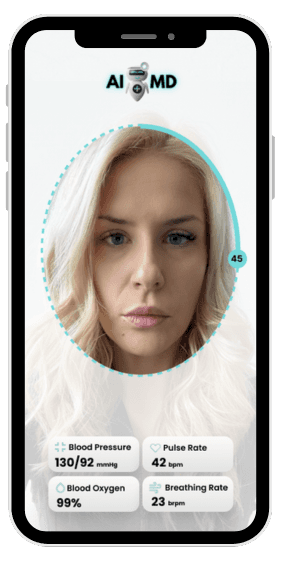
Consult AI-MD: Use the AI-MD guide to evaluate your unique nutritional requirements, helping you make informed, personalized choices.
Timing and Dosage
The timing of when to start taking prenatal vitamins is crucial for maximizing their benefits. Ideally, you should begin taking prenatal vitamins at least one month before conception and continue throughout your pregnancy and while breastfeeding. This ensures that your body is well-prepared with the necessary nutrients to support both you and your baby.
Follow the instructions provided on the supplement label and avoid exceeding the recommended dosage, as too much of certain vitamins and minerals can be harmful. For example, excessive vitamin A intake can lead to toxicity and may negatively affect fetal development.
Lifestyle Factors to Consider
Taking prenatal vitamins works best alongside a holistic approach to pregnancy wellness.
Consider these lifestyle factors:
Balanced Diet: Include whole foods such as fruits, vegetables, whole grains, lean proteins, and healthy fats to complement your vitamins.
Hydration: Adequate water intake supports circulation, digestion, and overall maternal health.
Regular Exercise: Moderate activity, as approved by your healthcare provider, helps improve energy, mood, and circulation.
Stress Management: Techniques like yoga, meditation, or deep-breathing exercises can support emotional balance.
Adequate Sleep: Prioritize rest to support your immune system, energy, and overall recovery.
With AI-MD, you can track energy levels, hydration, sleep patterns, and stress indicators, helping you see how lifestyle choices interact with your supplement regimen for better results.
Safety and Special Considerations
While prenatal vitamins are generally safe, it’s important to keep these points in mind:
Choose High-Quality Products: Opt for brands that are clinically tested and have transparent labeling.
Understand Individual Needs: Your health, diet, and medical history can affect how your body responds to supplements.
Monitor Subtle Changes: Using AI-MD, you can track energy levels, digestion, and other health indicators, helping you spot any issues early.
Supplements Complement Care: Prenatal vitamins support—but do not replace—medical advice or a well-rounded diet.
By staying aware and proactive, you can ensure your supplement routine is safe and effective throughout pregnancy.
Maximizing Benefits for You and Your Baby
Prenatal vitamins work best when combined with a balanced pregnancy routine that includes proper nutrition, hydration, gentle exercise, stress management, and adequate rest.
Regularly reviewing your diet and supplement intake, following recommended dosages, and maintaining a healthy lifestyle can help ensure both you and your baby get the nutrients needed for optimal growth and development.
Consistency and attentiveness to your body’s needs are key to making the most of your prenatal care and supporting a healthy pregnancy journey.

What ingredients should I look for in organic natural prenatal vitamins?
How do organic natural prenatal vitamins differ from regular prenatal vitamins?
Are there any side effects associated with organic natural prenatal vitamins?
What are the benefits of choosing organic natural prenatal vitamins?
How can I determine the quality of organic natural prenatal vitamins?
What is the recommended dosage for organic natural prenatal vitamins?



Get your personalized supplement match today — and join the future of data-driven wellness.