Exploring Vitamins for Vitiligo: What You Need to Know
7 mins read
Published Jan 23, 2026
Understanding Vitiligo and Its Causes
Before exploring the potential benefits of vitamins for vitiligo, it’s essential to understand the condition itself. Vitiligo occurs when the immune system mistakenly attacks and destroys melanocytes. This can result from various factors, including genetic predisposition, environmental triggers, and oxidative stress.
Oxidative stress refers to an imbalance between free radicals and antioxidants in the body, leading to cellular damage. Individuals with vitiligo often exhibit higher levels of oxidative stress, which may contribute to the destruction of melanocytes. This understanding sets the stage for investigating how specific vitamins can help mitigate oxidative stress and support skin health.
The Role of Antioxidants in Skin Health
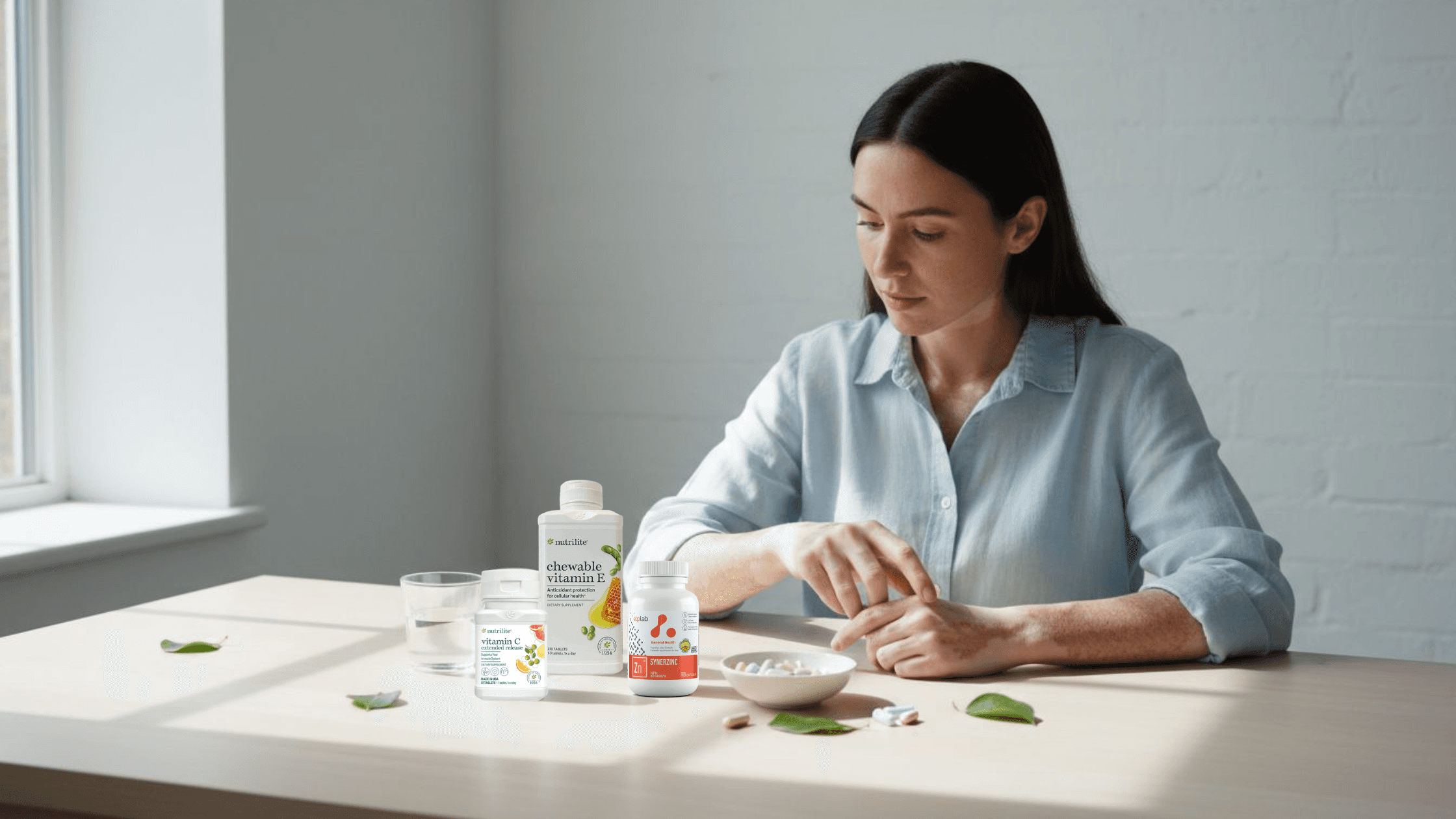
Antioxidants help neutralize free radicals and reduce oxidative stress, supporting overall skin health. Vitamins A, C, and E are key antioxidants that play a role in maintaining healthy skin.
Vitamin A supports skin cell production and repair, promoting healthy skin turnover, which may benefit those with vitiligo.
Vitamin C supplements aid collagen synthesis, protect the skin from UV stress, and regenerate other antioxidants.
Vitamin E supplements help maintain skin moisture and may reduce the appearance of scars or discoloration.
Including these nutrients in your routine may help combat oxidative stress and support skin health.
Vitamin D and Its Connection to Autoimmunity
Vitamin D is another crucial nutrient that may have implications for individuals with vitiligo. This vitamin is synthesized in the skin through exposure to sunlight and plays an important role in immune regulation. Individuals with autoimmune conditions, including vitiligo, are often found to have lower vitamin D levels. Adequate vitamin D may help support immune balance and modulate autoimmune activity that contributes to pigment loss. Additionally, vitamin D supports skin cell growth, renewal, and repair, which are essential for maintaining overall skin health.
Vitamin D levels can be supported through sunlight exposure, fortified foods, and vitamin D supplements, which help support immune function and overall skin wellness.
B Vitamins and Skin Health
B vitamins, particularly B12 and folate, are essential for overall health and may also support skin health. These nutrients play key roles in energy metabolism, nervous system function, and cellular repair, which are important for maintaining healthy skin.
Vitamin B12 is crucial for red blood cell formation and neurological function. Some studies suggest that individuals with vitiligo may have lower levels of vitamin B12, which could contribute to skin changes and affect overall cellular health.
Folate is essential for DNA synthesis and repair. It supports proper cell division, which is vital for skin regeneration and maintaining healthy skin structure.
Incorporating B vitamin-rich foods such as leafy greens, legumes, eggs, and dairy can help maintain overall health and may indirectly support skin health in individuals with vitiligo. For those who have difficulty meeting their B vitamin needs through diet alone, B vitamin supplements can help ensure adequate intake and support energy metabolism, nervous system function, and overall cellular health.
The Importance of Minerals: Zinc and Copper
In addition to vitamins, certain minerals are essential for skin health and may influence the progression of vitiligo. Zinc and copper are two minerals that have garnered attention in this context.
Zinc is known for its role in immune function and skin repair. It helps maintain the integrity of skin cells and may aid in the healing of wounds. Some studies have suggested that zinc supplementation may improve the appearance of vitiligo patches.
Copper is involved in melanin production and is essential for the activity of enzymes that support skin health. A deficiency in copper may hinder the production of melanin, potentially exacerbating vitiligo.
Including zinc and copper-rich foods such as nuts, seeds, shellfish, and whole grains in your diet can help ensure you receive these essential minerals. For additional support, zinc supplements can help maintain healthy skin, support immune function, and promote cellular repair.
Lifestyle Factors and Nutritional Support
While vitamins and minerals play a significant role in managing vitiligo, lifestyle factors also contribute to skin health. A balanced diet rich in antioxidants, vitamins, and minerals is essential.
Additionally, consider the following lifestyle practices:
Hydration: Drinking adequate water supports overall skin health and helps maintain moisture levels.
Sun Protection: Protecting your skin from UV exposure is crucial, as sunburn can worsen vitiligo patches. Use broad-spectrum sunscreen and wear protective clothing when outdoors.
Stress Management: Stress can exacerbate autoimmune conditions. Incorporating stress-reducing practices such as mindfulness, yoga, or meditation can be beneficial.
By adopting a holistic approach that includes proper nutrition, sun protection, and stress management, you can support your skin health and overall well-being.

What vitamins are beneficial for skin health in vitiligo patients?
How do antioxidants affect vitiligo and skin pigmentation?
Can vitamin deficiencies contribute to the progression of vitiligo?
What role does vitamin D play in managing vitiligo symptoms?
Are there specific dietary sources of vitamins that can help with vitiligo?
How can a balanced diet impact the treatment of vitiligo?


Get your personalized supplement match today — and join the future of data-driven wellness.