The Best Supplements and Vitamins for Dry Skin
7 mins read
Published Jan 23, 2026

Understanding Dry Skin
Before diving into the supplements and vitamins that can help, it’s essential to understand what causes dry skin. The skin's outer layer, known as the stratum corneum, acts as a barrier to prevent moisture loss. When this barrier is compromised, whether due to environmental factors, aging, or underlying health conditions, the skin can become dry and irritated. Factors such as low humidity, harsh soaps, and hot showers can further exacerbate the problem.
To combat dry skin effectively, it’s crucial to support the skin’s barrier function and hydration levels from the inside out. This is where specific vitamins and supplements come into play.
Omega-3 Fatty Acids
Omega‑3 fatty acids supplements are essential fats that support healthy skin by strengthening the skin’s lipid barrier, helping it retain moisture and stay resilient. Well-hydrated skin is less prone to dryness and irritation. Omega-3s can also reduce inflammation, which is often linked to conditions like eczema and psoriasis, and support skin elasticity and texture. These beneficial fats can be obtained from supplements such as fish oil or algae oil, as well as from foods like salmon, mackerel, walnuts, and flaxseeds.
Vitamin E
Vitamin E is a powerful antioxidant that helps protect your skin from oxidative stress caused by free radicals. It supports skin health by strengthening the skin barrier and enhancing moisture retention. By neutralizing free radicals, vitamin E may help prevent premature aging and maintain a youthful appearance.
Topical application of vitamin E can improve skin hydration and reduce symptoms of dry skin. Taking vitamin E supplements can also be beneficial, especially if your diet is low in this essential nutrient. You can find vitamin E in various forms, including capsules and soft gels, as well as in foods like nuts, seeds, and green leafy vegetables.
You can support your intake with vitamin E supplements, which provide antioxidant protection, support cellular health, and include lecithin for improved absorption
Vitamin D
Vitamin D is often called the "sunshine vitamin" because your body produces it when exposed to sunlight. This vitamin is important for skin health, helping regulate the skin’s immune system and supporting cell turnover. A deficiency in vitamin D can contribute to dry, flaky skin and may worsen conditions like eczema.
Supplementing with vitamin D can help improve skin hydration and support the skin barrier, making it a helpful addition if you struggle with dryness. You can get vitamin D from supplements, fortified foods, or safe sun exposure—but always be mindful to protect your skin from excessive sunlight.
Biotin
Biotin, also known as vitamin B7, is a water-soluble vitamin that plays a significant role in maintaining healthy skin, hair, and nails. It helps to improve the skin's moisture levels and can prevent dryness and flakiness. Biotin is essential for the metabolism of fatty acids, which are vital for maintaining the skin's lipid barrier.
While biotin deficiency is rare, it can lead to dry skin and other skin issues. Supplementing with biotin can help improve skin hydration and overall appearance. You can find biotin in various forms, including capsules and tablets, as well as in foods like eggs, nuts, and whole grains.
Hyaluronic Acid
Hyaluronic acid is a naturally occurring substance in the body that has a remarkable ability to retain moisture. It can hold up to 1,000 times its weight in water, making it an excellent choice for hydrating dry skin. As we age, our natural levels of hyaluronic acid decrease, leading to dryness and loss of elasticity.
Supplementing with hyaluronic acid can help replenish moisture levels in the skin, improving hydration and plumpness. It is available in various forms, including capsules, powders, and topical serums. When taken orally, hyaluronic acid can enhance skin hydration and reduce the appearance of fine lines and wrinkles.

What vitamins are best for improving dry skin?
How do supplements help with dry skin issues?
Can omega-3 fatty acids benefit dry skin?
What role does vitamin E play in skin hydration?
Are there any natural supplements for dry skin relief?
How long does it take for skin supplements to show results?
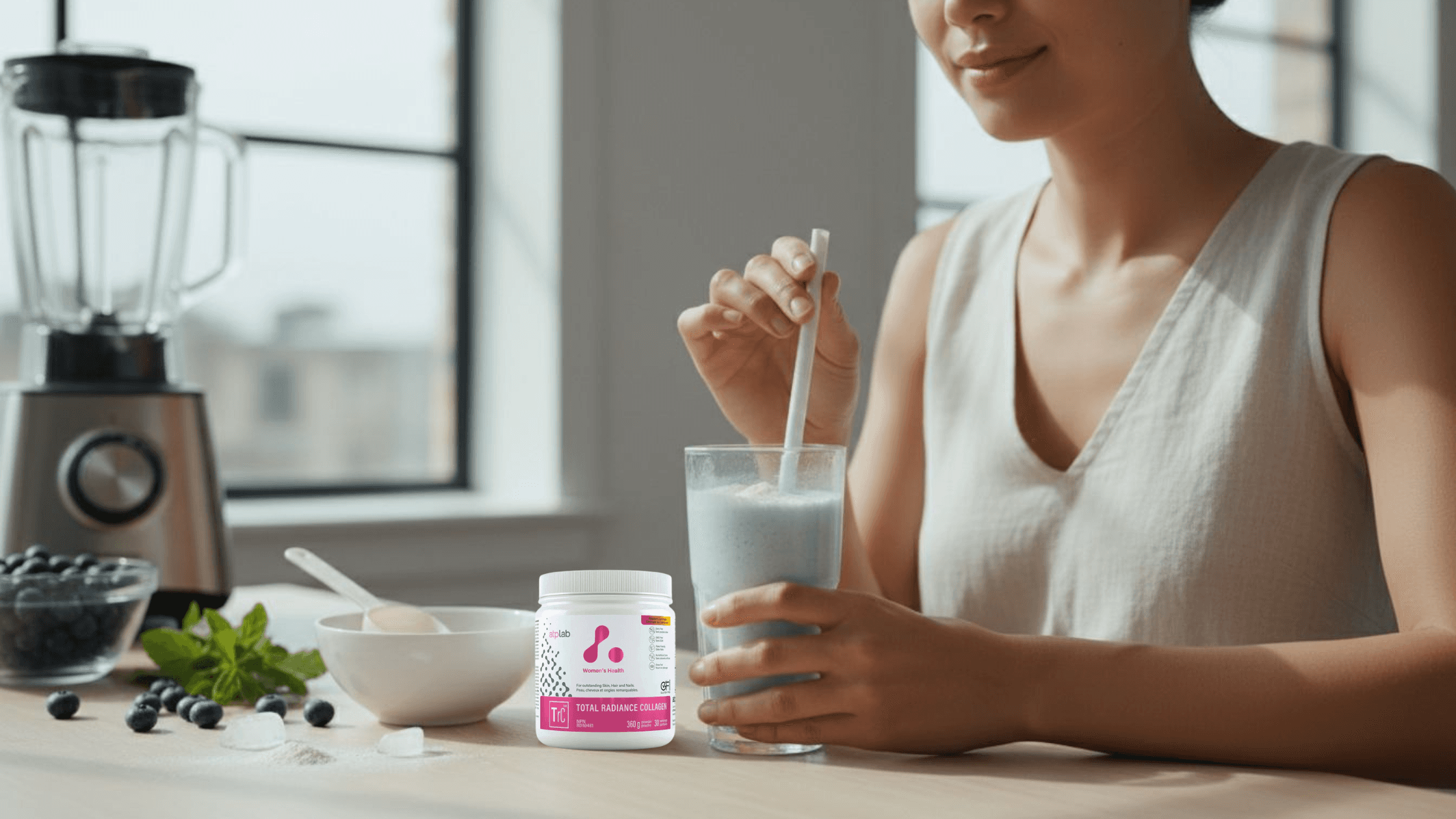


Get your personalized supplement match today — and join the future of data-driven wellness.