Smoothies as Meal Replacements: Are They Worth It?
7 mins read
Published Jan 23, 2026

Nutritional Profile of Smoothies
When evaluating smoothies as meal replacements, it's essential to consider their nutritional profile. A well-crafted smoothie can provide a balance of macronutrients—carbohydrates, proteins, and fats—as well as essential vitamins and minerals. The ingredients you choose will significantly influence the overall nutritional content.
Fruits and vegetables are common smoothie bases, offering vitamins, antioxidants, and fiber. For example, spinach and kale are rich in vitamins A, C, and K, while bananas and berries provide natural sweetness along with fiber and antioxidants.
To create a balanced meal replacement, you should also incorporate protein sources such as Greek yogurt, protein powder, or nut butters. Healthy fats, like avocado or chia seeds, can enhance satiety and provide essential fatty acids. However, it's crucial to be mindful of portion sizes, as smoothies can quickly become calorie-dense if overloaded with high-calorie ingredients.
Satiety and Weight Management
One of the primary considerations when replacing meals with smoothies is their effect on satiety. Satiety refers to the feeling of fullness that helps regulate food intake. Meals high in protein and fiber can promote greater satiety, which is vital for weight management.
Smoothies can be designed to enhance satiety by including adequate protein and fiber. For instance, adding a scoop of protein powder or a serving of Greek yogurt can help you feel fuller for longer. Similarly, incorporating fibrous ingredients like spinach, oats, or chia seeds can slow digestion and prolong feelings of fullness.
However, it's important to note that liquid meals may not be as satiating as solid meals for some individuals. The act of chewing and the physical bulk of solid foods can contribute to a greater sense of fullness. If you find yourself feeling hungry shortly after consuming a smoothie, consider adjusting the ingredients or pairing the smoothie with a small, healthy snack.
Blood Sugar Regulation
Another important factor when using smoothies as meal replacements is their effect on blood sugar. Fruits, while nutritious, can sometimes cause a rapid rise in blood glucose due to their natural sugars. Balancing them with protein and healthy fats—like a scoop of nut butter or a handful of nuts—can slow sugar absorption and help maintain steady energy levels. Choosing low-glycemic fruits, such as berries, can also reduce blood sugar spikes.
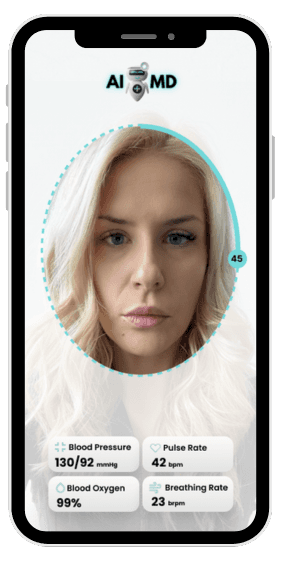
For individuals with specific health considerations, such as diabetes, AI-MD can help you track how your body responds to different smoothie ingredients, providing personalized insights that guide safer and more effective meal choices.
Convenience and Time Efficiency
In today's fast-paced world, convenience plays a significant role in food choices. Smoothies offer a quick and easy way to consume a variety of nutrients without extensive meal prep. For busy individuals, this can be a significant advantage, especially when time is limited.
Preparing a smoothie typically requires minimal effort—just blend your chosen ingredients, and you're ready to go. This convenience can encourage healthier eating habits, particularly for those who may struggle to find time for traditional meal preparation.
However, it's essential to be mindful of the ingredients you choose. Pre-packaged smoothies or those from commercial establishments may contain added sugars, preservatives, and other ingredients that can detract from their nutritional value. When making smoothies at home, you have complete control over what goes into your drink, allowing you to prioritize whole, nutrient-dense ingredients.
Potential Pitfalls of Smoothies
While smoothies can be a convenient and nutritious option, there are some potential pitfalls to keep in mind. One common issue is the risk of overconsuming calories, which can happen easily with high-calorie ingredients like nut butters, avocados, or sweetened yogurts.
Smoothies may also lack essential nutrients if they aren’t properly balanced. Relying on them as full meal replacements could lead to gaps in vitamins and minerals, especially if protein and healthy fats are limited.
Digestive discomfort is another consideration—some people may experience bloating or gastrointestinal issues when consuming large amounts of fruit or fiber-rich ingredients. AI-MD can help you monitor your body’s responses to different smoothie combinations, giving personalized insights to adjust ingredient ratios and make choices that better support your overall nutrition and digestive comfort.
Making Smart Smoothie Choices
If you decide to incorporate smoothies as meal replacements, making informed choices is crucial.
Here are some tips to ensure your smoothies are nutritionally balanced and beneficial:
Focus on Whole Ingredients: Choose whole fruits and vegetables over juices or sweetened products. Whole foods provide more fiber and nutrients, contributing to better satiety and overall health.
Incorporate Protein: Aim for a source of protein in every smoothie. This could be Greek yogurt, protein powder, or nut butter. Protein helps with satiety and muscle maintenance.
Add Healthy Fats: Including healthy fats, such as avocado, chia seeds, or flaxseeds, can enhance the nutritional profile and promote satiety.
Mind Your Portions: Be mindful of portion sizes, especially with calorie-dense ingredients. A well-balanced smoothie should be filling without being excessively high in calories.
Experiment with Fiber: Incorporate fiber-rich ingredients like leafy greens, oats, or flaxseeds to promote digestive health and enhance feelings of fullness.
Stay Hydrated: Use water, coconut water, or unsweetened almond milk as your liquid base to keep calories in check while ensuring adequate hydration.
In summary, smoothies can be a convenient and nutritious option for meal replacements when crafted thoughtfully. By focusing on balanced ingredients and being aware of potential pitfalls, you can enjoy the benefits of smoothies while supporting your overall health and wellness goals.

Can smoothies provide enough nutrients to replace a meal?
What ingredients should I include in a smoothie for meal replacement?
How do smoothies compare to traditional meals in terms of satiety?
Are there any downsides to using smoothies as meal replacements?
How often can I replace meals with smoothies without negative effects?
What are some common mistakes to avoid when making meal replacement smoothies?


Get your personalized supplement match today — and join the future of data-driven wellness.