Navigating Supplements for Endometriosis: What You Need to Know
7 mins read
Published Jan 23, 2026
Understanding Endometriosis
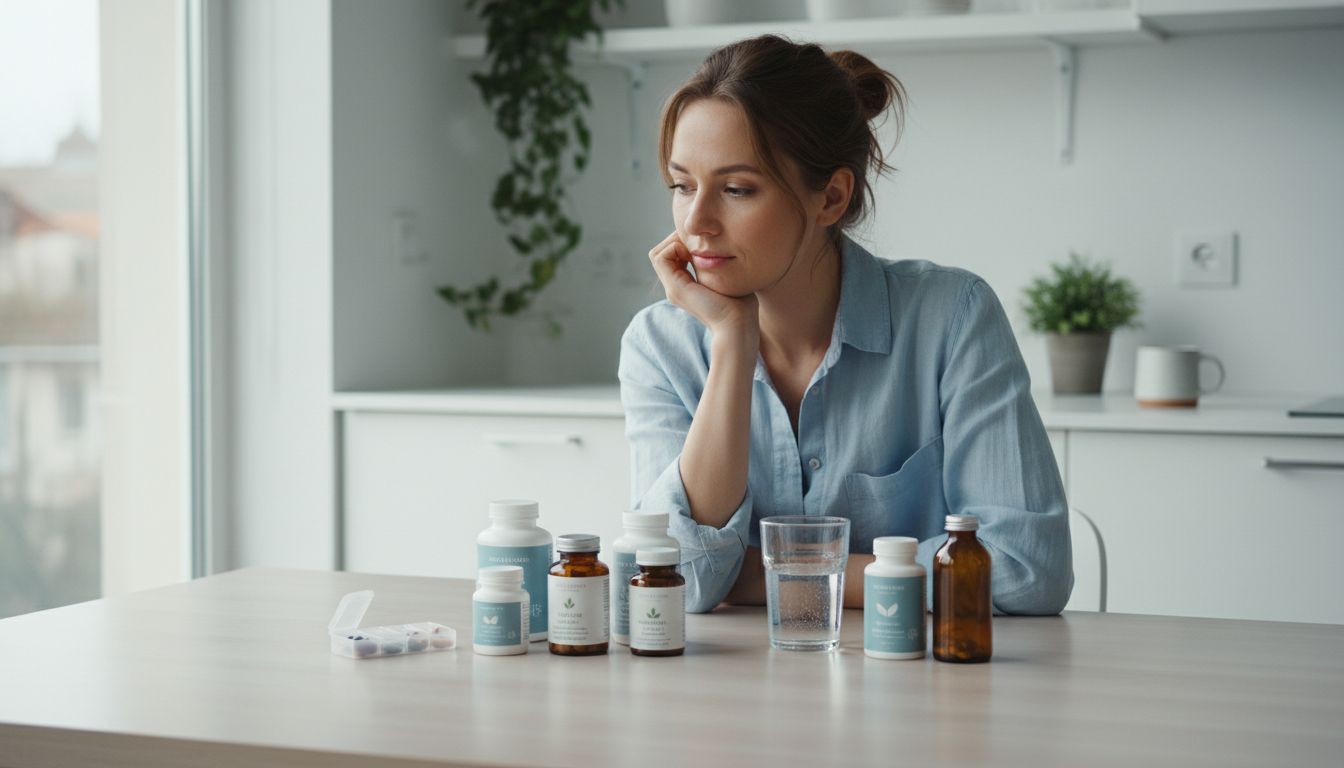
Before looking into supplements, it’s helpful to understand endometriosis and its effects on the body. This condition occurs when tissue similar to the uterine lining grows outside the uterus—often on the ovaries, fallopian tubes, or pelvic lining. These tissues react to hormonal changes during the menstrual cycle, which can cause inflammation, scarring, and discomfort.
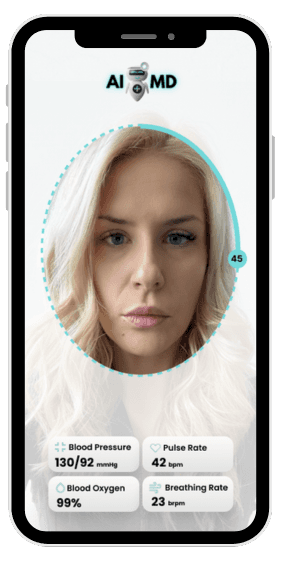
Symptoms vary widely, from intense pelvic pain and heavy menstrual bleeding to fertility challenges and digestive issues. While the exact cause isn’t fully understood, genetics, immune system factors, and hormonal imbalances are thought to play a role. By using AI-MD, you can monitor your body’s responses to lifestyle changes, supplements, and other interventions, gaining personalized insights that help you manage symptoms more effectively.
The Role of Inflammation in Endometriosis
One of the key physiological aspects of endometriosis is inflammation. When endometrial‑like tissue grows outside the uterus, it can trigger a persistent inflammatory response that contributes to pain, adhesions, and scar tissue — all of which are central to the symptoms many people experience.
Certain supplements that support the body’s natural inflammatory balance may help ease discomfort and improve quality of life. While responses can vary from person to person, these options are among the most commonly discussed for endometriosis:
Omega‑3 Fatty Acids – Known for anti‑inflammatory effects that may help reduce pelvic pain.
Turmeric / Curcumin – A natural compound with inflammation‑modulating properties.
Magnesium (e.g., Magnesium Glycinate) – Supports muscle relaxation and may help with cramps and inflammatory stress.
Zinc – Supports immune function and can play a role in managing inflammatory responses.
Vitamin D3 – Important for immune regulation and may influence inflammation.
Probiotics – Helps maintain a balanced gut environment, which can indirectly support systemic inflammation.
Antioxidant Blends (e.g., Vitamin C, Selenium) – May help counter oxidative stress linked with inflammation.
These supplements are often considered alongside lifestyle habits like a nutrient‑rich diet, regular movement, and stress management. Tools like AI‑MD can also help you monitor how your body responds to these additions by tracking wellness signals and offering personalized insights, so your choices feel tailored to your own physiology rather than based on trends.
Omega-3 Fatty Acids
Omega-3 supplements, such as fish oil capsules or plant-based options from flaxseed and walnut oils, are known for their anti-inflammatory benefits. They may help reduce inflammation commonly associated with endometriosis.
Taking omega‑3 supplements can also support overall reproductive health, making them a helpful addition to your wellness routine for managing endometriosis.
Vitamin D
Vitamin D is a supplement that has gained attention for supporting women with endometriosis. This fat-soluble vitamin plays a key role in regulating immune function and inflammation, which are often linked to endometriosis symptoms.
Taking vitamin D supplements may help support a balanced immune response and reduce inflammation, potentially easing discomfort and other symptoms associated with the condition.
Antioxidants: Vitamin E and C
Antioxidants are compounds that help neutralize free radicals in the body, reducing oxidative stress and inflammation. Supplements like vitamin E and vitamin C are popular choices for supporting overall wellness in individuals with endometriosis.
Vitamin E has anti-inflammatory properties, while vitamin C supports the immune system and helps combat oxidative stress. Including these antioxidant supplements in your routine may provide extra support in managing symptoms associated with endometriosis.
Magnesium
Magnesium is a vital mineral that supports many bodily functions, including muscle and nerve health, blood sugar balance, and blood pressure regulation. Women with endometriosis often experience muscle tension and cramps, especially during menstruation.
Magnesium glycinate supplements helps promote muscle relaxation and ease cramping, offering relief from menstrual discomfort. By supporting both physical comfort and overall well-being, this supplement can be a valuable addition for those managing endometriosis symptoms.

What are the best vitamins for managing endometriosis symptoms?
How do omega-3 fatty acids affect endometriosis?
Can herbal supplements help with endometriosis pain?
What role does magnesium play in endometriosis treatment?
Are there any natural remedies that can support endometriosis management?
How can diet and supplements work together for endometriosis relief?



Get your personalized supplement match today — and join the future of data-driven wellness.