Understanding HRV Charts for Women: What Your Data Means
7 mins read
Published Feb 3, 2026

What is Heart Rate Variability?
Heart Rate Variability refers to the variation in time intervals between heartbeats. Unlike a consistent heart rate, HRV indicates how well your autonomic nervous system (ANS) is functioning. The ANS has two main components: the sympathetic nervous system (SNS), which prepares your body for 'fight or flight' responses, and the parasympathetic nervous system (PNS), which promotes 'rest and digest' activities.
A higher HRV generally indicates a healthy balance between these two systems, suggesting that your body can efficiently adapt to stressors. Conversely, a lower HRV may indicate stress, fatigue, or even underlying health issues. For women, hormonal fluctuations throughout the menstrual cycle can also affect HRV, making it essential to understand these variations in the context of your overall health.
Understanding Your HRV Chart
When you look at your HRV chart, you will typically see a series of numbers representing your HRV over time. These numbers can be expressed in milliseconds (ms) and often reflect the root mean square of successive differences (RMSSD) or the standard deviation of NN intervals (SDNN).
RMSSD: RMSSD is particularly useful for assessing short-term HRV and is sensitive to changes in your autonomic nervous system.
SDNN: SDNN provides a broader picture of HRV over longer periods and can reflect overall heart health.
For women, it’s important to track these metrics over time to identify trends rather than focusing solely on daily fluctuations. Your HRV can be influenced by various factors, including sleep quality, stress levels, physical activity, and hormonal changes.
Factors Influencing HRV in Women
Several factors can influence HRV, and understanding these can help you make informed decisions about your health.
Menstrual Cycle: Hormonal changes throughout your cycle can impact HRV. Research shows that HRV tends to be higher during the follicular phase (the first half of the cycle) and lower during the luteal phase (the second half). Tracking your HRV alongside your menstrual cycle can provide insights into how hormonal fluctuations affect your body.
Stress Levels: Chronic stress can lead to a decrease in HRV, indicating that your body is in a heightened state of alertness. Stress management techniques such as mindfulness, yoga, and deep breathing can help improve your HRV.
Sleep Quality: Quality sleep is essential for maintaining a healthy HRV. Poor sleep can lead to decreased HRV, while restorative sleep can enhance it. Monitoring your sleep patterns in conjunction with your HRV can help you identify areas for improvement.
Physical Activity: Regular exercise is known to improve HRV. However, overtraining can have the opposite effect. It’s essential to find a balance that works for you and to listen to your body’s signals.
Nutrition: A balanced diet rich in omega-3 fatty acids, antioxidants, and other nutrients can positively influence HRV. Staying hydrated and avoiding excessive caffeine or alcohol can also help maintain optimal HRV levels.
Age: As you age, your HRV may naturally decline. Understanding this trend can help you set realistic health goals and expectations.
How to Use Your HRV Data
Now that you understand what HRV is and the factors that influence it, how can you use this information to improve your health?
Here are some actionable steps:
Track Your HRV Regularly: Use AI-MD to monitor your HRV daily. Focus on patterns over time instead of short-term fluctuations to get a clearer understanding of your overall wellness.
Correlate HRV with Lifestyle Factors: Keep a simple log of your HRV alongside sleep, stress, and exercise. This helps you see how different habits impact your body’s signals.
Implement Stress Management Techniques: If your HRV trends downward, try stress-reduction practices like meditation, yoga, or deep breathing exercises to support recovery.
Prioritize Sleep: Maintain a consistent sleep schedule, create a calming environment, and limit screen time before bed to improve rest and HRV.
Adjust Your Exercise Routine: Notice how your body reacts to workouts. If HRV drops after intense activity, consider adding rest days or lower-intensity sessions to maintain balance.
Leverage AI-MD for Guidance: AI-MD continuously tracks your HRV and other body signals, helping you understand trends and make informed wellness choices every day.
The Role of Wearables in Monitoring HRV
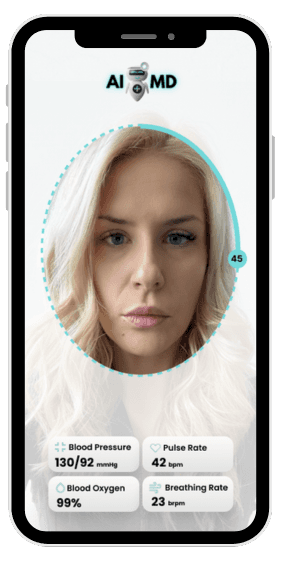
Technology has changed the way you can track your health, including heart rate variability (HRV). AI-MD provides real-time monitoring of your HRV and other body signals, helping you understand how your body responds to daily life.
With AI-MD, you can:
View Trends Over Time: See how your HRV changes day to day or week to week, giving you a clearer picture of your wellness patterns.
Track Goals: Monitor your progress toward better sleep, recovery, or stress management by observing how your HRV responds to lifestyle changes.
Get Alerts: Receive notifications when significant changes in your HRV occur, helping you take timely action to support your well-being.
By using AI-MD, you can better understand your body’s signals and make informed decisions to support your health and recovery every day.
The Future of HRV Monitoring for Women
As research continues to evolve, the understanding of HRV and its implications for women's health will expand. Future advancements in wearable technology may provide even more accurate and detailed insights into HRV, including the ability to analyze how various factors like diet, sleep, and stress interact with your heart health.
Moreover, as awareness grows, more women will likely begin to understand the importance of HRV in relation to their overall health. This knowledge can empower you to take proactive steps in managing your health, leading to improved well-being and a better quality of life.
In summary, understanding your HRV chart is crucial for optimizing your heart health and overall wellness. By tracking your HRV, recognizing the factors that influence it, and using wearables to monitor your data, you can make informed decisions that positively impact your health. Embrace this knowledge as a valuable tool in your wellness journey, and remember that every heartbeat tells a story about your health.

What does an HRV chart for females indicate about stress levels?
How can I interpret my HRV chart as a woman?
What factors influence HRV readings in females?
Are there specific HRV trends that are common among women?
How does age affect HRV charts in females?
What lifestyle changes can improve HRV in women?



Get your personalized supplement match today — and join the future of data-driven wellness.