Apple Cider Vinegar for Hair Loss: Does Drinking It Really Help?
7 mins read
Published Jan 23, 2026

Understanding Hair Loss
Before we dive into the specifics of apple cider vinegar, it’s crucial to understand what hair loss entails. Hair loss can occur due to a variety of factors, including genetics, hormonal changes, nutritional deficiencies, and environmental influences. The most common form of hair loss is androgenetic alopecia, often referred to as male or female pattern baldness. This condition is primarily driven by genetic predisposition and hormonal fluctuations, particularly involving dihydrotestosterone (DHT).
Other causes of hair loss may include stress, certain medical conditions, and inadequate nutrition. When tackling hair loss, it’s essential to address the underlying causes, which may require a multifaceted approach, including lifestyle changes, dietary adjustments, and medical interventions.
The Nutritional Profile of Apple Cider Vinegar
Apple cider vinegar is made through the fermentation of apple juice, resulting in a product rich in acetic acid, vitamins, and minerals.
The nutritional profile of ACV includes:
Acetic Acid: This is the primary active component in apple cider vinegar, known for its antimicrobial properties and potential health benefits.
Vitamins: ACV contains small amounts of vitamins such as B1, B2, B6, and vitamin C, which are essential for overall health.
Minerals: It also provides trace minerals like potassium, calcium, and magnesium.
While these components contribute to the overall health benefits of apple cider vinegar, it’s important to note that the concentrations of these nutrients are relatively low. Therefore, relying solely on ACV for nutritional support may not be sufficient for addressing hair loss. To support hair vitality, nutrient absorption, and overall wellness, consider incorporating a hair, skin, and nail supplement into your routine, which contains biotin, collagen, vitamin C, and other essential nutrients.
The Mechanism Behind Drinking Apple Cider Vinegar
The proposed benefits of drinking apple cider vinegar for hair health largely stem from its acetic acid content. Acetic acid is known for its ability to balance pH levels, which can be beneficial for both skin and hair health. Here’s how it may help:
pH Balance: The scalp has a natural pH level, and maintaining this balance is crucial for healthy hair growth. An overly alkaline scalp can lead to dryness and irritation, while an overly acidic environment can hinder hair growth. Drinking apple cider vinegar may help regulate the body’s overall pH levels, potentially benefiting scalp health.
Improved Digestion: Some proponents suggest that drinking apple cider vinegar can enhance digestion, leading to better nutrient absorption. Since hair health is closely tied to nutrition, improved digestion could theoretically support hair growth by ensuring that your body effectively utilizes the nutrients it receives.
Blood Sugar Regulation: Research indicates that acetic acid may help regulate blood sugar levels. Stable blood sugar levels can reduce stress on the body, which is beneficial since stress is a known contributor to hair loss. By potentially mitigating stress responses, drinking apple cider vinegar could indirectly support hair health.
Antimicrobial Properties: The antimicrobial properties of apple cider vinegar may help maintain a healthy scalp by preventing infections and imbalances in the scalp microbiome. A healthy scalp is essential for promoting hair growth and preventing hair loss.
Antioxidant and Nutrient Support: Apple cider vinegar contains small amounts of antioxidants, which may help protect hair follicles from oxidative stress. Pairing this with proper nutrition ensures your hair receives the essential vitamins and minerals needed for strength, shine, and growth.
While these potential benefits are promising, it’s important to note that scientific evidence is still limited. Drinking apple cider vinegar alone is unlikely to fully prevent hair loss or dramatically improve hair health. Supporting your hair from the inside with a balanced diet and targeted nutrients can complement these efforts. For comprehensive support, including vitamins and minerals that specifically promote strong hair, healthy skin, and nails, consider nutritional support designed for hair health.
Apple Cider Vinegar and Hair: Key Facts
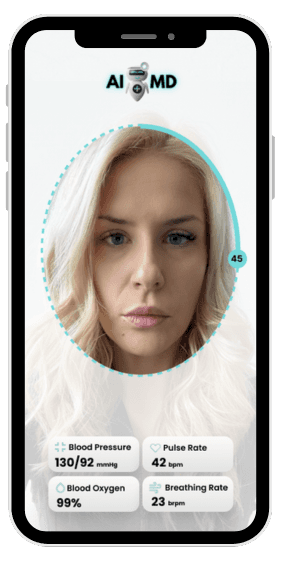
Current knowledge about apple cider vinegar and hair loss is limited. Most of its reported benefits come from topical use rather than drinking it. Some observations suggest that certain compounds in ACV may support scalp health and that overall nutrition plays a role in hair wellness. While apple cider vinegar contains some nutrients, it should not be relied on as a primary treatment for hair loss. AI-MD can assess your body’s signals and provide tailored suggestions, guiding you toward the routines and supplements that are most likely to support your hair and overall wellness.
How to Incorporate Apple Cider Vinegar into Your Diet
If you’re interested in trying apple cider vinegar as part of your wellness routine, here are some tips for incorporating it into your diet:
Dilution is Key: Always dilute apple cider vinegar before consuming it. A common ratio is 1–2 tablespoons of ACV mixed with a glass of water. This helps protect your teeth and throat from the acidity.
Use as a Salad Dressing: Add ACV to your meals by using it as a salad dressing. Combine it with olive oil, herbs, and spices for a flavorful, nutritious addition.
Add to Smoothies: Consider blending a splash of ACV into your smoothies. Its tangy flavor pairs well with fruits and leafy greens while boosting nutritional value.
As a Morning Tonic: Some people like starting the day with a morning tonic. Mix ACV with warm water and a teaspoon of honey for a refreshing drink.
Monitor Your Body’s Response: Pay attention to how your body reacts. While most tolerate ACV well, some may experience digestive discomfort. If this occurs, reduce the amount or discontinue use.
Other Considerations for Hair Health
While drinking apple cider vinegar may offer some benefits, it should not be viewed as a standalone solution for hair loss. Instead, consider a holistic approach to hair health that includes:
Balanced Diet: Ensure you’re consuming a diet rich in vitamins and minerals essential for hair growth, such as biotin, zinc, iron, and omega-3 fatty acids.
Hydration: Staying well-hydrated is crucial for overall health, including hair health. Drink plenty of water throughout the day.
Stress Management: Engage in stress-reducing activities such as yoga, meditation, or regular exercise to help mitigate stress-related hair loss.
Track and Adjust with AI-MD: Use AI-MD to monitor your body’s signals and receive tailored insights, helping you identify what routines or supplements may best support your hair health.
Incorporating apple cider vinegar into your diet may provide some health benefits, but it should be part of a broader strategy to maintain hair health. By focusing on nutrition, hydration, and stress management, AI-MD can guide you in creating a supportive environment for healthier hair growth.

Can drinking apple cider vinegar improve hair health?
What are the benefits of apple cider vinegar for hair loss?
How does apple cider vinegar affect hair growth when consumed?
Is there scientific evidence supporting apple cider vinegar for hair loss?
What is the best way to consume apple cider vinegar for hair benefits?
Are there any side effects of drinking apple cider vinegar for hair loss?

Get your personalized supplement match today — and join the future of data-driven wellness.