Hair Protein Supplement: What You Need to Know
7 mins read
Published Oct 11, 2025
Understanding Hair Structure
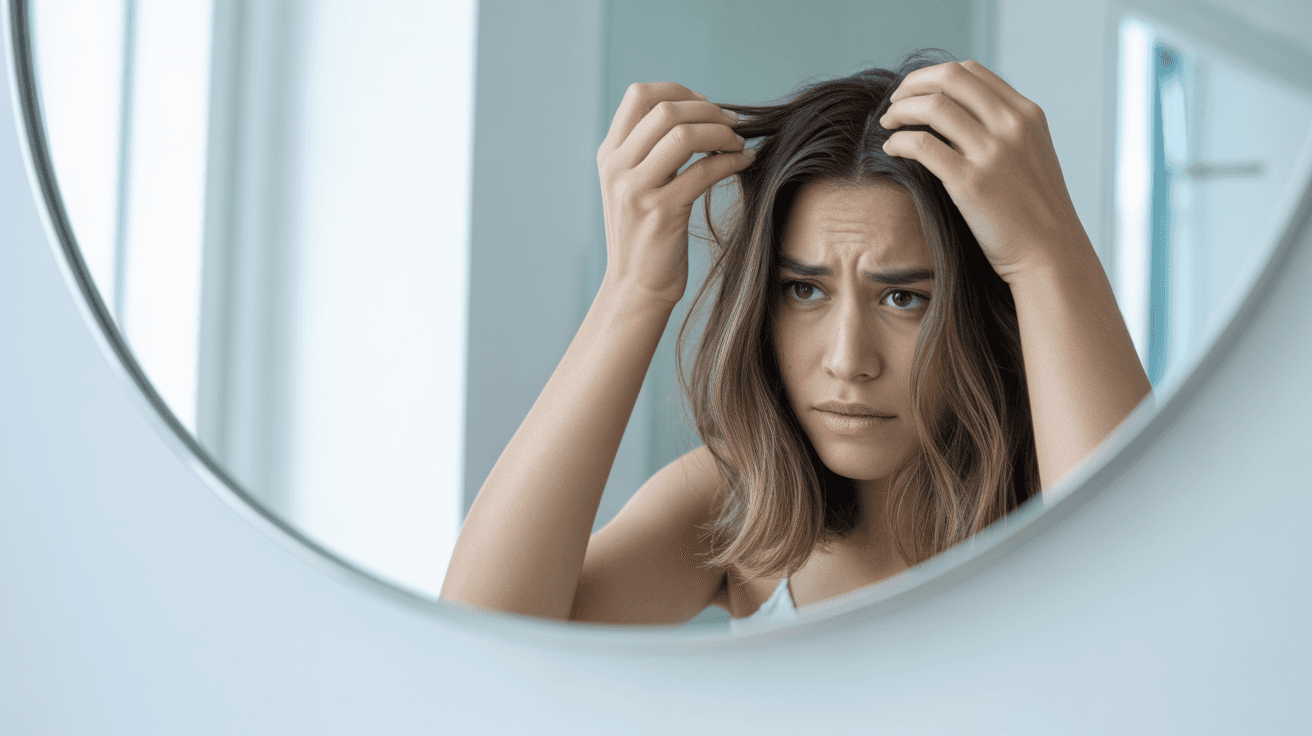
To appreciate the role of hair protein supplements, it’s essential to understand the structure of hair itself. Hair is primarily composed of a protein called keratin, which forms the hair shaft. Keratin is a fibrous structural protein that provides strength and resilience to hair. The health of your hair largely depends on the availability of amino acids, the building blocks of proteins, which your body uses to produce keratin.
Hair follicles, the tiny structures in your skin from which hair grows, require a variety of nutrients to function optimally. This includes not just proteins but also vitamins and minerals that support cellular function and growth. When considering hair protein supplements, it’s crucial to recognize that they are meant to complement a balanced diet rather than replace it.
The Role of Biotin in Hair Health
Biotin, also known as vitamin B7, is a water-soluble vitamin that plays a vital role in the metabolism of fatty acids, amino acids, and glucose. It is often marketed as a key ingredient in hair protein supplements due to its association with hair health. Biotin deficiency can lead to hair thinning and loss, which is why many people consider supplementation.
Biotin supplements can improve the keratin infrastructure in hair, making it stronger and potentially promoting growth. While biotin deficiency is rare in the general population, some individuals may benefit from supplementation, especially if they have underlying health conditions that affect nutrient absorption.
Biotin and Its Benefits for Hair Health
Biotin is often used to support hair health. Individuals with thinning hair or a biotin deficiency may notice improvements in hair thickness and overall condition when supplementing with biotin. It can help enhance hair strength and growth for those who need it.
However, the benefits of biotin are most significant for people who are deficient. For those with normal biotin levels, supplementation may have less noticeable effects. While biotin can be helpful as part of a hair care routine, results can vary based on individual needs.
Other Ingredients in Hair Protein Supplements
Hair protein supplements often contain a blend of ingredients designed to support hair health beyond just biotin. These may include amino acids, collagen, vitamins, and minerals.
Amino Acids: Essential for protein synthesis, amino acids like cysteine and methionine are crucial for keratin production. Some supplements include these amino acids to provide the necessary building blocks for hair.
Collagen: This protein is known for its role in skin elasticity and hydration. Some studies suggest that collagen may also support hair health by providing the necessary amino acids for keratin production.
Vitamins and Minerals: Ingredients such as vitamin E, zinc, and iron are often included due to their roles in promoting healthy hair growth. For instance, zinc is essential for hair tissue growth and repair, while iron deficiency can lead to hair loss.
When choosing a hair protein supplement, it’s vital to look for a product that contains a well-rounded blend of these ingredients to maximize potential benefits.
Safety and Side Effects of Hair Protein Supplements
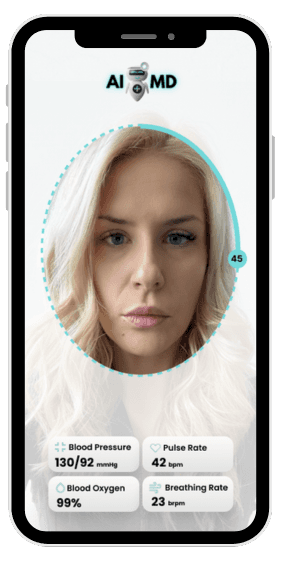
Generally, hair protein supplements, including those containing biotin, are considered safe for most people when taken as directed. Biotin is water-soluble, so excess amounts are usually excreted rather than stored. However, very high intakes may cause side effects such as skin rashes, digestive discomfort, or interference with certain lab tests. Before adding a new supplement, using AI-MD can help you reflect on how your body is responding and support more informed decisions, especially if you have existing health concerns or are taking medications.
The Bigger Picture: A Holistic Approach to Hair Health
While hair protein supplements can play a role in promoting hair health, they should not be viewed as a standalone solution. A holistic approach to hair care is essential for achieving the best results.
This includes:
Balanced Diet: Ensure you’re consuming a diet rich in vitamins, minerals, and proteins. Foods like eggs, nuts, seeds, fish, and leafy greens can provide the nutrients necessary for healthy hair growth.
Hydration: Staying hydrated is crucial for overall health, including hair health. Dehydration can lead to dry, brittle hair.
Stress Management: High-stress levels can contribute to hair loss. Incorporating stress-reducing practices such as meditation, yoga, or regular exercise can be beneficial.
Proper Hair Care: Avoiding harsh chemicals and heat treatments can prevent damage to your hair. Gentle cleansing and conditioning, along with regular trims, can help maintain hair health.
In summary, while hair protein supplements, particularly those containing biotin, may offer benefits for some individuals, they should be part of a comprehensive approach to hair care. Always prioritize a balanced diet and healthy lifestyle choices to support your hair and overall well-being.
What are the benefits of using hair protein supplements?
How do hair protein supplements work for hair health?
Can hair protein supplements help with hair loss?
What ingredients should I look for in a hair protein supplement?
How often should I take hair protein supplements for best results?
Are there any side effects associated with hair protein supplements?

Get your personalized supplement match today — and join the future of data-driven wellness.